Phase-Transfer Catalysts
Phase-transfer catalysts (PTCs) play a pivotal role in advancing organic synthesis. They enable efficient reactions between reactants in immiscible phases, such as organic solvents and aqueous solutions. By bridging these environments, PTCs increase the reactivity and accessibility of nucleophiles that would otherwise remain unreactive or poorly soluble under standard conditions. This innovative approach transforms traditional synthetic methods, allowing chemists to achieve higher reaction rates, improved selectivity, and greater yields.
We offer a wide range of phase-transfer catalysts, including ammonium, phosphonium, crown ether, and cryptand-based types. Our high-quality PTCs facilitate diverse chemical reactions and serve as indispensable tools for researchers and manufacturers in pharmaceuticals, agrochemicals, and specialty chemicals. Explore our selection to enhance your synthetic processes and drive innovation and efficiency in your laboratory or production environment.
Products
Classification
Ammonium-Based Catalysts for Nucleophilic Substitution:
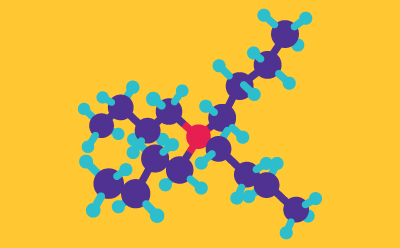
Quaternary ammonium-based salts are among the most widely used phase-transfer catalysts (PTCs) in organic synthesis. They facilitate reactions between ionic species and organic substrates by transferring reactive anions from an aqueous phase into an organic phase. Common examples include tetrabutylammonium bromide, chloride, and hydrogen sulphate.
These catalysts are highly effective in nucleophilic substitution reactions, alkylation, oxidation, and esterification. These catalysts provide significant value in processes such as synthesizing pharmaceuticals, agrochemicals, and polymers, where mild conditions and high selectivity matter. Ammonium PTCs support green chemistry by reducing hazardous solvents and allowing reactions at lower temperatures.
Phosphonium-Based Catalysts for Wittig and Olefination Reactions:
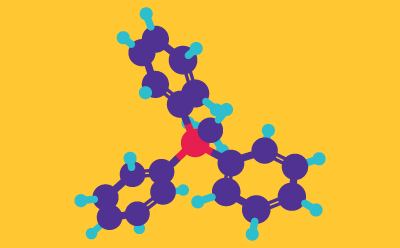
Phosphonium salts combine strong phase-transfer capability with higher thermal and chemical stability, enabling challenging C–C bond-forming processes, olefination chemistry, and other base, or temperature‑sensitive transformations. Common examples include tetrabutylphosphonium bromide and triphenylphosphonium derivatives.
They are widely employed in Wittig reactions for carbon–carbon bond formation, nucleophilic substitutions, and polymerization reactions. Their ability to withstand harsh conditions makes them suitable for industrial applications such as specialty chemical synthesis and advanced materials production. Phosphonium PTCs also exhibit excellent solubility in organic media, ensuring efficient phase transfer and improved reaction rates.
Crown Ethers and Cryptands for Metal Ion Complexation:
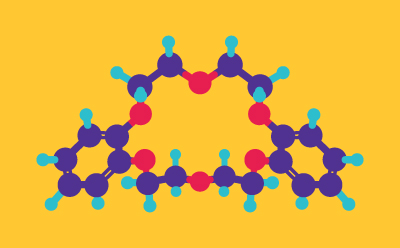
Crown ethers and cryptands are macrocyclic ligands that bind metal cations, improving the solubility of inorganic salts in organic solvents. Common crown ethers such as 18-crown-6 and dibenzo-24-crown-8 selectively complex alkali metal ions like potassium and sodium, thereby facilitating ion transfer into the organic phase.
While crown ethers enhance ion pairing and reactivity, cryptands, with their three-dimensional cavity structures, provide much stronger and more complete cation encapsulation. This more effective sequestration of the metal cation results in the generation of truly “naked anions,” leading to significantly enhanced nucleophilicity and reactivity in organic media. As a result, cryptands are particularly important for reactions requiring highly reactive anions, including nucleophilic substitution, C–X bond formation, oxidation, and polymerization reactions involving inorganic salts. Their superior binding strength and selectivity make them especially valuable for reactions that demand precise control under mild and well-defined conditions. In addition to synthetic organic chemistry, cryptands find applications in analytical chemistry, electrochemistry, and advanced molecular recognition studies.
Specialty and Chiral PTCs for Asymmetric Synthesis:
The “other” PTC family includes chiral onium salts, ionic liquids, and macrocyclic systems used for asymmetric synthesis, green solvents, electrochemical processes, and specialized applications beyond standard PTCs. These catalysts support advanced transformations, including enantioselective alkylation, oxidation, and coupling reactions.
Ionic liquids and surfactant-based PTCs belong to this group and offer benefits like recyclability and lower environmental impact. Pharmaceutical synthesis, fine chemicals, and sustainable processes increasingly use such innovative catalysts to achieve efficiency and selectivity. Their versatility ensures compatibility with a wide range of substrates and reaction conditions, supporting cutting-edge research and industrial applications.
Related Resources
- Article: The Growing Impact of Asymmetric Catalysis - Aldrichimica Acta
Learn about the advances in asymmetric catalysis by discovering mechanistic insights, catalyst evolution, and breakthrough applications in this Aldrichimica Acta article.
- Brochure: Crown Ethers and Cryptands for Advanced Applications
Discover Kryptofix® cryptands, an exceptional cation complexation agent that enable naked anion chemistry for highefficiency nucleophilic reactions.
- Article: Role of High Purity Metal Salts in Chemical Synthesis
Explore how high-purity metal salts drive efficient organic transformations. Read the article to see their benefits in building advanced molecular architectures.
- Article: Maruoka Catalysts
Explore Maruoka catalysts: high performance chiral PTCs enabling enantioselective alkylation, C–C bond formation, and asymmetric transformations. Learn more in this article.
- Article: Cinchona Alkaloids
Learn about Cinchona alkaloid catalysts, a versatile chiral phase‑transfer and organocatalysts enabling asymmetric synthesis across diverse functional groups.
如要继续阅读,请登录或创建帐户。
暂无帐户?

