
L-020

Levetiracetam solution
1.0 mg/mL in methanol, ampule of 1 mL, certified reference material, Cerilliant®
并加购,请在购物车里查看协议价、货期和发货地。
选择规格
变更视图
关于此项目
经验公式(希尔记法):
C8H14N2O2
化学文摘社编号:
分子量:
170.21
NACRES:
NA.24
UNSPSC Code:
41116107
EC Number:
200-659-6
grade
certified reference material
Quality Segment
form
liquid
feature
Snap-N-Spike®/Snap-N-Shoot®
packaging
ampule of 1 mL
manufacturer/tradename
Cerilliant®
concentration
1.0 mg/mL in methanol
technique(s)
gas chromatography (GC): suitable, liquid chromatography (LC): suitable
application(s)
clinical testing
format
single component solution
storage temp.
−20°C
SMILES string
CC[C@H](N1CCCC1=O)C(N)=O
InChI
1S/C8H14N2O2/c1-2-6(8(9)12)10-5-3-4-7(10)11/h6H,2-5H2,1H3,(H2,9,12)/t6-/m0/s1
InChI key
HPHUVLMMVZITSG-LURJTMIESA-N
Gene Information
human ... CACNA1B(774), SV2A(9900)
General description
A certified Snap-N-Spike® solution applicable for use in levetiracetam testing methods by LC/MS or GC/MS for applications in clinical toxicology, medication monitoring, urine drug testing, pharmaceutical research, or forensic analysis. Levetiracetam is an antiepileptic drug used in the treatment of epilepsy and is marketed under the trade name Keppra®.
Legal Information
CERILLIANT is a registered trademark of Merck KGaA, Darmstadt, Germany
Keppra is a registered trademark of UCB Pharma, S.A.
Snap-N-Shoot is a registered trademark of Cerilliant Corporation
Snap-N-Spike is a registered trademark of Merck KGaA, Darmstadt, Germany
Disclaimer
Supply conditions do not apply to the regions and states of Brazil: North, Northeast, Mato Grosso do Sul, Mato Grosso, and Rio Grande do Sul.
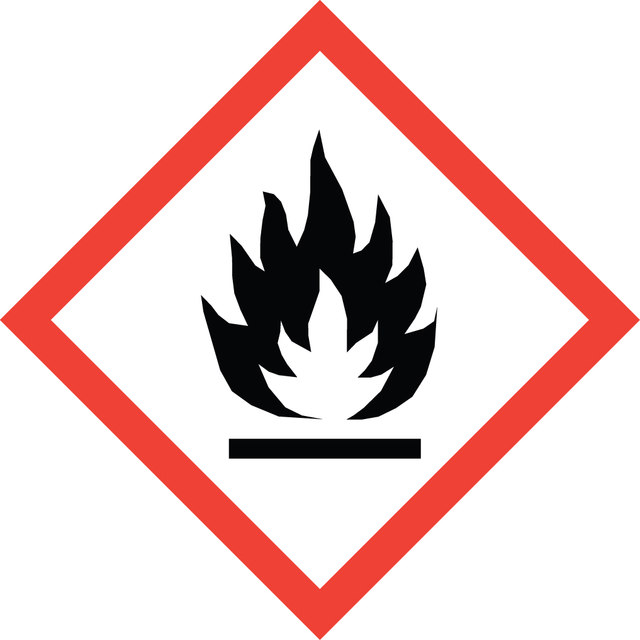


signalword
Danger
Hazard Classifications
Acute Tox. 3 Dermal - Acute Tox. 3 Inhalation - Acute Tox. 3 Oral - Flam. Liq. 2 - STOT SE 1
target_organs
Eyes,Central nervous system
存储类别
3 - Flammable liquids
wgk
WGK 2
flash_point_f
51.8 °F - closed cup
flash_point_c
11.0 °C - closed cup