

InChI key
JPOXNPPZZKNXOV-UHFFFAOYSA-N
InChI
1S/CH2BrCl/c2-1-3/h1H2
grade
certified reference material, TraceCERT®
agency
EPA 601,8010,8021 (1987),8021A (1990)
product line
TraceCERT®
feature
standard type surrogate
packaging
ampule of 1 mL
concentration
2000 μg/mL in methanol
technique(s)
HPLC: suitable, gas chromatography (GC): suitable
application(s)
environmental
format
single component solution
storage temp.
2-8°C
General description
Bromochloromethane can be produced from dichloromethane, via halogen exchange reaction using either liquid bromine or gaseous hydrogen bromide. It can find applications as a fire extinguishing fluid, especially in aircrafts and other portable extinguishers.
Application
Refer to the product′s Certificate of Analysis for more information on a suitable instrument technique. Contact Technical Service for further support.
Other Notes
This Certified Reference Material (CRM) is produced and certified in accordance with ISO 17034 and ISO/IEC 17025. All information regarding the use of this CRM can be found on the certificate of analysis.
Legal Information
TraceCERT is a registered trademark of Merck KGaA, Darmstadt, Germany
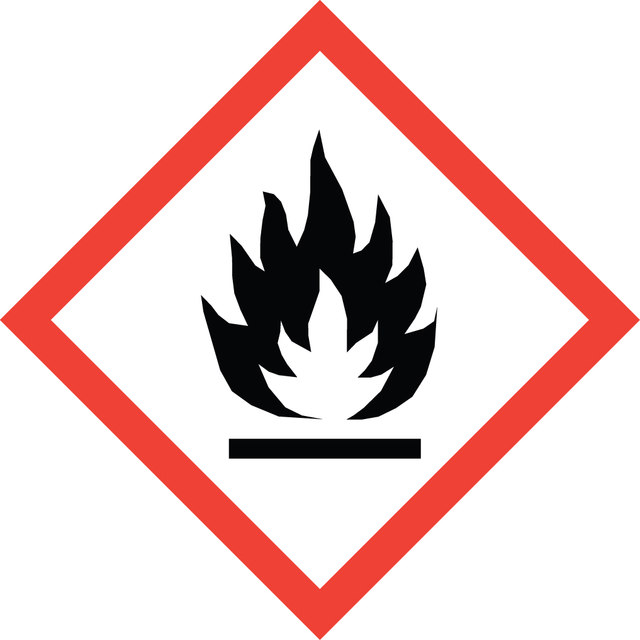
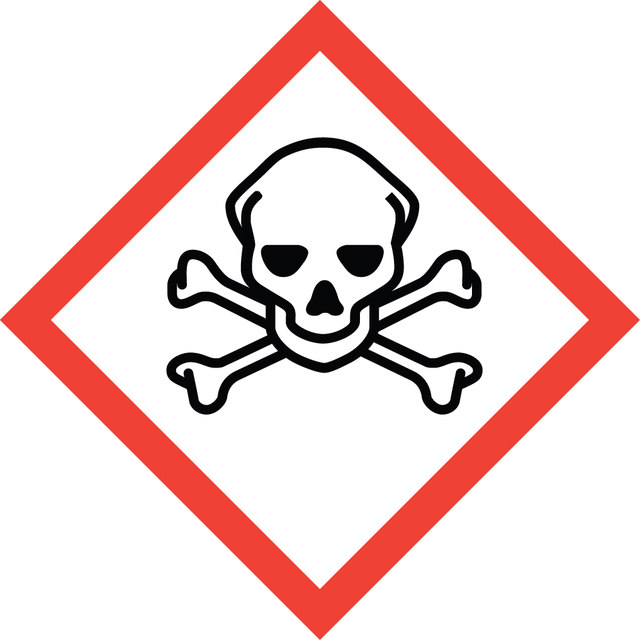
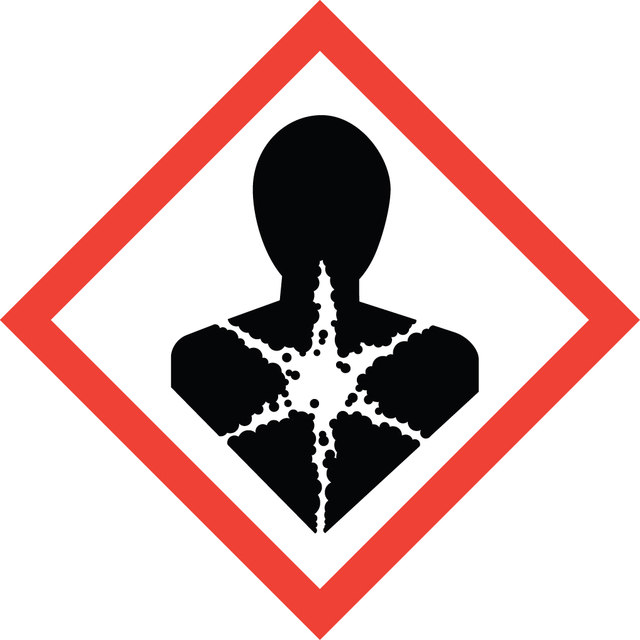
signalword
Danger
Hazard Classifications
Acute Tox. 3 Dermal - Acute Tox. 3 Inhalation - Acute Tox. 3 Oral - Flam. Liq. 2 - Ozone 1 - STOT SE 1
target_organs
Eyes
存储类别
3 - Flammable liquids
wgk
WGK 1
flash_point_f
51.8 °F - closed cup
flash_point_c
11 °C - closed cup
法规信息
监管及禁止进口产品
此项目有
Ullmann's Fine Chemicals (2014)
Orme-Zavaleta J and Connery J
Drinking Water Health Advisory: Volatile Organic Compounds (1990)
Juan Li et al.
The Journal of chemical physics, 126(18), 184304-184304 (2007-05-19)
The pulsed field ionization-photoelectron (PFI-PE) spectrum of bromochloromethane (CH2BrCl) in the region of 85,320-88,200 cm-1 has been measured using vacuum ultraviolet laser. The vibrational structure resolved in the PFI-PE spectrum was assigned based on ab initio quantum chemical calculations and
G W Jepson et al.
Toxicology and applied pharmacology, 144(2), 315-324 (1997-06-01)
Dermal absorption of organic chemicals from aqueous solutions are a concern in both the workplace and the home. Organic chemicals are generally not very soluble in water and the exposure may never reach steady state because the concentration of chemical
J N McDougal et al.
Toxicology and applied pharmacology, 79(1), 150-158 (1985-06-15)
The dermal absorption of dibromomethane (DBM) and bromochloromethane (BCM) vapors was studied in rats placed in a specially designed chamber incorporating individual respiratory protection to avoid pulmonary uptake. Exposures (DBM: 500 to 10,000 ppm; BCM: 2500 to 40,000 ppm) lasted
我们的科学家团队拥有各种研究领域经验,包括生命科学、材料科学、化学合成、色谱、分析及许多其他领域.
联系客户支持