

contains
sodium phosphate buffer as balance
Quality Level
composition
Protein, ~25% Lowry
availability
not available in USA
impurities
Staphylococcal enterotoxin A (SEA), essentially free
application(s)
metabolomics
vitamins, nutraceuticals, and natural products
storage temp.
2-8°C
General description
Staphylococcal Enterotoxin B (SEB) is a potent exotoxin produced by Staphylococcus aureus, classified as a superantigen due to its unique ability to activate T-cells non-specifically. This activation occurs through the cross-linking of T-cell receptors (TCRs) and major histocompatibility complex (MHC) class II molecules, leading to a massive release of cytokines and an exaggerated immune response. SEB is associated with food poisoning and toxic shock syndrome, making it a critical agent for studying the mechanisms of bacterial pathogenesis and immune dysregulation.
In addition to its role in infectious disease research, SEB serves as a valuable tool for investigating autoimmune conditions and the development of immunotherapies. Its ability to induce T-cell activation and proliferation makes it an important reagent for exploring T-cell biology, including differentiation, memory formation, and the effects of various immunomodulators.
In addition to its role in infectious disease research, SEB serves as a valuable tool for investigating autoimmune conditions and the development of immunotherapies. Its ability to induce T-cell activation and proliferation makes it an important reagent for exploring T-cell biology, including differentiation, memory formation, and the effects of various immunomodulators.
Application
与 MHC II 类分子和 T 细胞受体(TCR)的特异性 Vβ 区结合的葡萄球菌肠毒素 B(SEB),可导致单核细胞/巨噬细胞和 T 淋巴细胞的激活,可用作超抗原和免疫系统激活剂。 SEB 可用作 SEB 检测系统开发中的参考材料。
Biochem/physiol Actions
T 淋巴细胞的超抗原。 与主要组织相容性复合体(MHC)抗原和 CD28 结合的免疫系统激活剂。
Packaging
包装尺寸基于蛋白质含量。
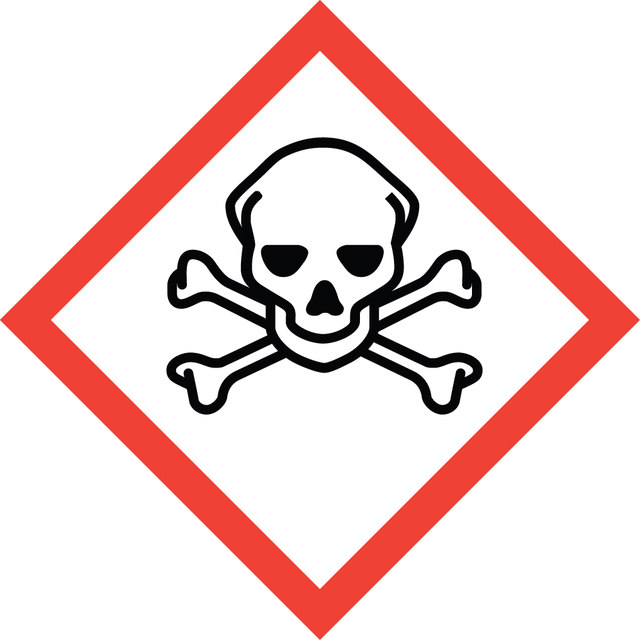
signalword
Danger
Hazard Classifications
Acute Tox. 1 Dermal - Acute Tox. 1 Inhalation - Acute Tox. 1 Oral - Eye Irrit. 2 - Skin Irrit. 2 - STOT SE 3
target_organs
Respiratory system
存储类别
6.1A - Combustible acute toxic Cat. 1 and 2 / very toxic hazardous materials
wgk
WGK 3
flash_point_f
Not applicable
flash_point_c
Not applicable
法规信息
高风险级别生物产品--毒素类产品
此项目有
相关内容
Instructions
Clarifying the mechanism of superantigen toxicity.
John D Fraser
PLoS biology, 9(9), e1001145-e1001145 (2011-09-21)
Winnie Bergstedt et al.
PloS one, 5(6), e11277-e11277 (2010-07-02)
Tuberculin is still the only available skin test reagent for the diagnosis of mycobacterial infection. The product has a remarkable sensitivity, but poor specificity. Previous studies, including two human phase I clinical trials, have indicated that rdESAT-6 has a potential
Oliver G Weingart et al.
Sensors (Basel, Switzerland), 12(2), 2324-2339 (2012-03-23)
Prevalent incidents support the notion that toxins, produced by bacteria, fungi, plants or animals are increasingly responsible for food poisoning or intoxication. Owing to their high toxicity some toxins are also regarded as potential biological warfare agents. Accordingly, control, detection
全球贸易项目编号
| 货号 | GTIN |
|---|---|
| S4881-1MG | 04061836932817 |
| S4881-5MG | 04061836932855 |