

General description
Detergents play a significant role in increasing environmental pollution across various environments. This pollution originates from wastewater sources, such as residential areas where household detergents are used, agricultural runoff containing herbicides and insecticides, and certain industries.In biochemical research, detergents are commonly used for membrane protein separation. However, they can interfere with protein assays by affecting protein-protein interactions, enzymatic activities, or protein structure. Detecting and quantifying the presence of detergents is essential for accurate measurements in protein assays. Detergents used during protein extraction or purification processes may carry over into downstream applications, such as electrophoresis, chromatography, or mass spectrometry. This is crucial for maintaining assay accuracy, assessing protein functionality, ensuring compatibility with downstream applications, and preserving sample integrity.
Application
The Detergent Assay Kit may be used for:
- Soil Testing
- Water Testing
- Detergent Detection in Biological Samples
The kit is suitable for detecting traces of detergent in purified protein samples and the determination of detergent in water and soil samples.
Biochem/physiol Actions
Simple, direct and automation-ready procedures for measuring detergent concentration in biological samples are very desirable. The Detergent Assay Kit is designed to measure detergent directly without any pretreatment. Above the critical micellar concentration, detergent forms micelle in solution that trap the colorimetric dye. The intensity of the color is directly proportional to the detergent concentration in the sample.
Features and Benefits
Efficient Procedure: Streamline your workflow with a hassle-free 15-minute process, requiring only the addition of a single working reagent and a small 20 μL sample size, saving you valuable time and effort.
Linear Detection Range:
Linear Detection Range:
- Tween 80: Detect concentrations ranging from 0.012 to 4 mM
- Tween 20: Detect concentrations ranging from 0.06 to 5 mM
- Triton X-100: Detect concentrations ranging from 0.23 to 12 mM
- Brij L23/35: Detect concentrations ranging from 0.09 to 5 mM
- DTAC: Detect concentrations ranging from 0.08 to 2 mM
- SDS: Detect concentrations ranging from 10 to 25 mM
Other Notes
For additional information on our range of Biochemicals, please complete this form.
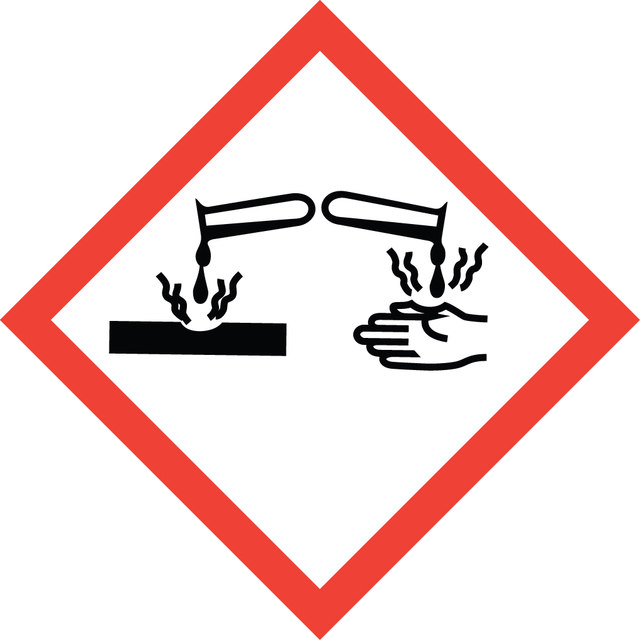
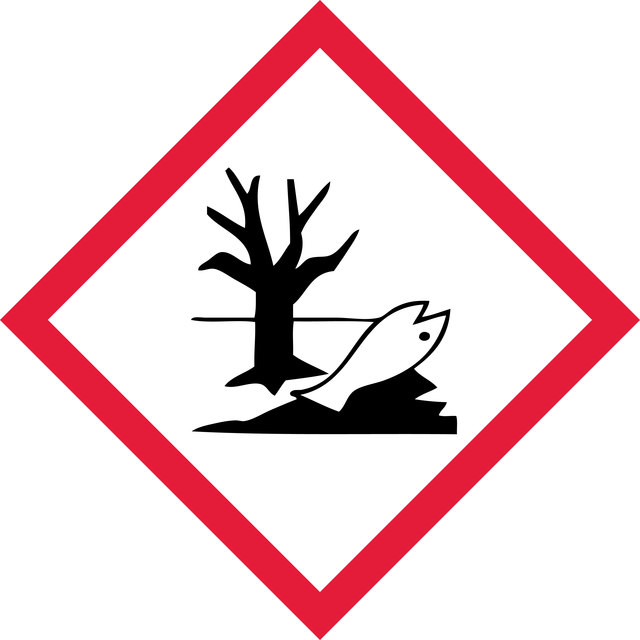
signalword
Danger
flash_point_f
Not applicable
flash_point_c
Not applicable
wgk
WGK 3
hcodes
Hazard Classifications
Aquatic Acute 1 - Aquatic Chronic 2 - ED ENV 1 - Eye Dam. 1 - Met. Corr. 1
存储类别
12 - Non Combustible Liquids
法规信息
新产品
此项目有
我们的科学家团队拥有各种研究领域经验,包括生命科学、材料科学、化学合成、色谱、分析及许多其他领域.
联系客户支持