
75958

邻苯二甲酸单丁酯
97.0-103.0% (T)
别名:
MBP, 单-n-邻苯二甲酸丁酯, 邻苯二甲酸丁酯
登录 查看组织和合同定价。
选择尺寸
变更视图
关于此项目
经验公式(希尔记法):
C12H14O4
化学文摘社编号:
分子量:
222.24
UNSPSC Code:
85151701
NACRES:
NA.25
PubChem Substance ID:
EC Number:
205-036-2
Beilstein/REAXYS Number:
2051402
MDL number:
Quality Level
assay
97.0-103.0% (T)
form
crystals
SMILES string
CCCCOC(=O)c1ccccc1C(O)=O
InChI
1S/C12H14O4/c1-2-3-8-16-12(15)10-7-5-4-6-9(10)11(13)14/h4-7H,2-3,8H2,1H3,(H,13,14)
InChI key
YZBOVSFWWNVKRJ-UHFFFAOYSA-N
Still not finding the right product?
Explore all of our products under 邻苯二甲酸单丁酯
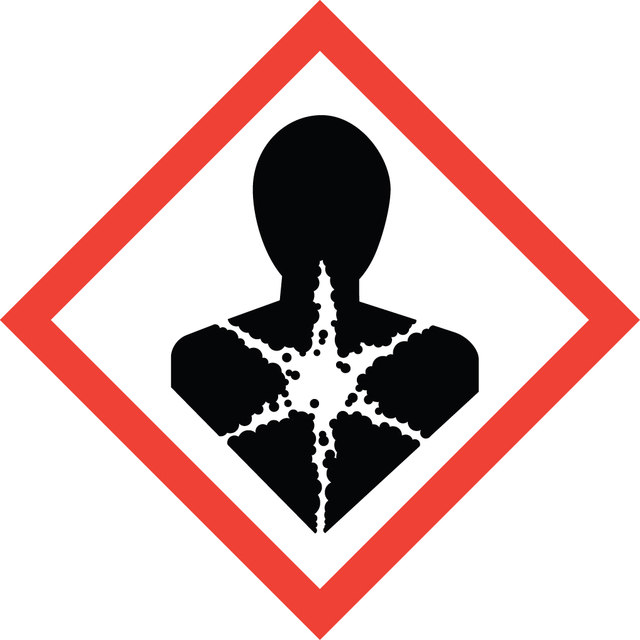
signalword
Danger
hcodes
Hazard Classifications
Repr. 1B
存储类别
6.1C - Combustible acute toxic Cat.3 / toxic compounds or compounds which causing chronic effects
wgk
WGK 3
flash_point_f
Not applicable
flash_point_c
Not applicable
ppe
Eyeshields, Gloves, type P3 (EN 143) respirator cartridges
G D Shapiro et al.
Environment international, 83, 63-71 (2015-06-24)
Studies from several countries report increases in rates of gestational diabetes mellitus (GDM) over recent decades. Exposure to environmental chemicals could contribute to this trend. To determine the associations between plasticisers and metals measured in early pregnancy with impaired glucose
Sonia Hernández-Díaz et al.
Environmental health perspectives, 117(2), 185-189 (2009-03-10)
Widespread human exposure to phthalates, some of which are developmental and reproductive toxicants in experimental animals, raises concerns about potential human health risks. Underappreciated sources of exposure include phthalates in the polymers coating some oral medications. The objective of this
Bung-Nyun Kim et al.
Biological psychiatry, 66(10), 958-963 (2009-09-15)
Very few studies have examined the association between attention-deficit/hyperactivity disorder (ADHD) and phthalate exposure in humans. The aim of this study was to investigate the impact of phthalates on symptoms of ADHD in school-age children. A cross-sectional examination of urine
全球贸易项目编号
| 货号 | GTIN |
|---|---|
| 75958-10G | 04061832916972 |