跳转至内容
Merck
CN

35823

4-氯苯胺

PESTANAL®, analytical standard

登录 查看组织和合同定价。

选择尺寸


关于此项目

线性分子式:
ClC6H4NH2
化学文摘社编号:
分子量:
127.57
UNSPSC Code:
41116107
NACRES:
NA.24
PubChem Substance ID:
EC Number:
203-401-0
Beilstein/REAXYS Number:
471359
MDL number:
技术服务
需要帮助?我们经验丰富的科学家团队随时乐意为您服务。
让我们为您提供帮助
技术服务
需要帮助?我们经验丰富的科学家团队随时乐意为您服务。
让我们为您提供帮助

InChI key

QSNSCYSYFYORTR-UHFFFAOYSA-N

InChI

1S/C6H6ClN/c7-5-1-3-6(8)4-2-5/h1-4H,8H2

SMILES string

Nc1ccc(Cl)cc1

grade

analytical standard

vapor density

4.4 (vs air)

vapor pressure

0.15 mmHg ( 25 °C)

product line

PESTANAL®

shelf life

limited shelf life, expiry date on the label

technique(s)

HPLC: suitable, gas chromatography (GC): suitable

bp

232 °C (lit.)

Quality Level

application(s)

agriculture
cleaning products
cosmetics
environmental
food and beverages
forensics and toxicology
personal care
pharmaceutical (small molecule)

format

neat

正在寻找类似产品? 访问 产品对比指南

General description

4-Chloroaniline is a chlorinated aromatic amines, which can generally find applications in industry in the production of cosmetics, dyes, herbicides and pharmaceutical products. It is also a major metabolite of the phenyl-urea herbicides.

Application

Refer to the product′s Certificate of Analysis for more information on a suitable instrument technique. Contact Technical Service for further support.

Legal Information

PESTANAL is a registered trademark of Merck KGaA, Darmstadt, Germany

signalword

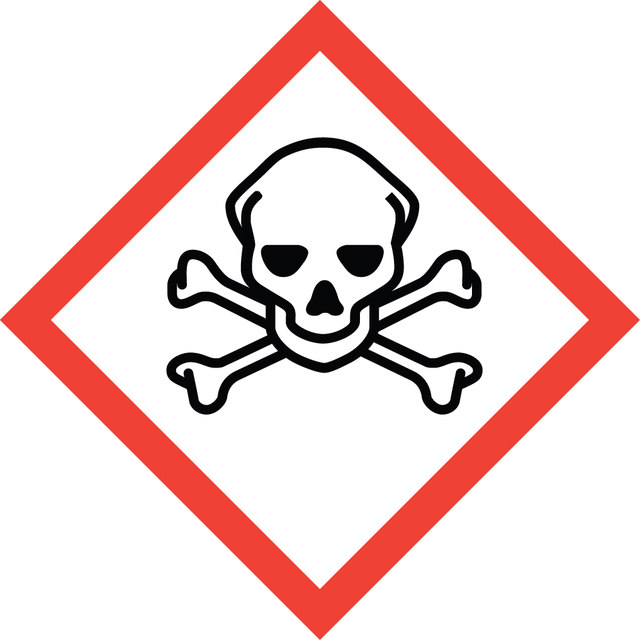
Danger

Hazard Classifications

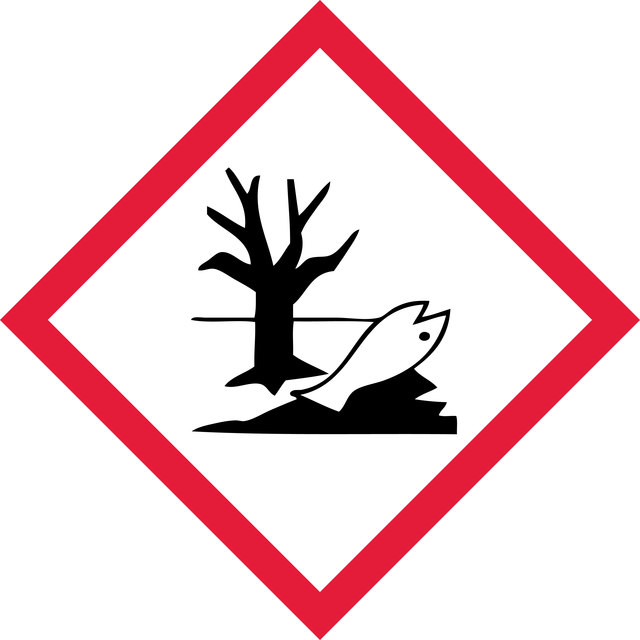
Acute Tox. 3 Dermal - Acute Tox. 3 Inhalation - Acute Tox. 3 Oral - Aquatic Acute 1 - Aquatic Chronic 1 - Carc. 1B - Skin Sens. 1

存储类别

6.1A - Combustible acute toxic Cat. 1 and 2 / very toxic hazardous materials

wgk

WGK 3

flash_point_f

248.0 °F - closed cup

flash_point_c

120.0 °C - closed cup

ppe

dust mask type N95 (US), Eyeshields, Faceshields, Gloves, type P2 (EN 143) respirator cartridges

法规信息

危险化学品
此项目有

历史批次信息供参考:

分析证书(COA)

Lot/Batch Number

没有发现合适的版本?

如果您需要特殊版本,可通过批号或批次号查找具体证书。

已有该产品?

在文件库中查找您最近购买产品的文档。

访问文档库

Iron (III)-photoinduced degradation of 4-chloroaniline in aqueous solution
Mailhot G, et al.
Applied Catalysis. B, Environmental, 50, 25-35 (2004)
Biodegradation of 4-chloroaniline by bacteria enriched from soil
Vangnai.SA and Petchkroh W
FEMS Microbiology Letters, 268, 209-216 (2007)
D Mortenson et al.
International endodontic journal, 45(9), 878-882 (2012-04-11)
To determine if the formation of para-chloroaniline (PCA) can be avoided by using an alternative irrigant following sodium hypochlorite but before chlorhexidine. Fifty-five single-rooted teeth were decoronated, instrumented to size 40, .06 taper whilst being irrigated with 14% ethylene-diamine-tetra-acetic acid
Brian J Rasimick et al.
Journal of endodontics, 34(12), 1521-1523 (2008-11-26)
The combination of chlorhexidine and EDTA produces a white precipitate. The aim of this study was to determine if the precipitate involves the chemical degradation of chlorhexidine. The precipitate was produced and redissolved in a known amount of dilute trifluoroacetic
Bettina R Basrani et al.
Journal of endodontics, 36(2), 312-314 (2010-02-02)
The combination of sodium hypochlorite (NaOCl) and chlorhexidine (CHX) results in the formation of a precipitate. In a previous study, we demonstrated the formation of 4-chloroaniline (PCA) in the precipitate by using x-ray photon spectroscopy (XPS) and time of flight

我们的科学家团队拥有各种研究领域经验,包括生命科学、材料科学、化学合成、色谱、分析及许多其他领域.

联系客户支持