跳转至内容
Merck
CN

APT1000

ApopTag ISOL Dual Fluorescence Apoptosis Detection Kit (DNase Types I & II)

The ApopTag ISOL Dual Fluorescence Kit utilizes a proprietary double hairpin, dual fluorescently labeled oligonucleotide labeling process to detect & distinguish between typical apoptotic DNA breaks induced by either DNase I or DNase II.

登录 查看公司和协议定价

选择尺寸


关于此项目

UNSPSC代码:
12161503
eCl@ss:
32161000
技术服务
需要帮助?我们经验丰富的科学家团队随时乐意为您服务。
让我们为您提供帮助
技术服务
需要帮助?我们经验丰富的科学家团队随时乐意为您服务。
让我们为您提供帮助

种属反应性(根据同源性预测)

all

制造商/商品名称

ApopTag
Chemicon®

运输

dry ice

一般描述

The ApopTag ISOL Dual Fluorescence Kit utilizes a proprietary double hairpin, dual fluorescently labeled oligonucleotide labeling process to detect and distinguish between typical apoptotic DNA breaks induced by either DNase I or DNase II enzyme activities. The Vaccinia Topoisomerase I mediated ligation reaction is adaptable for staining paraffin-embedded tissue, frozen tissue sections, cell suspensions, and adherent cells. In situ staining for DNA fragmentation (as in the ISOL method) is both a means of detection for rare cells and an analytical test of those cells′ DNA. ApopTag ISOL Kits facilitate the differentiation of apoptotic cells from necrotic or transiently damaged cells. While conventional in situ detection techniques such as ISEL (Klenow DNA polymerase), TUNEL (terminal deoxynucleotidyl transferase, TdT) and ISNT (DNA Polymerase I) are useful in detecting internucleosomal DNA cleavage, they do not differentiate DNase Type I and DNase Type II cleavage which results from the activation of apoptotic endonucleases. When ISOL was used for direct comparison with TUNEL in specimens without necrosis, the results have been concordant. In specimens presenting necrosis, the better selectivity of ISOL was proven.
The ApopTag ISOL Fluorescence Apoptosis Detection (DNase Types I & II) technique is based upon the biochemical specificity of the enzymes T4 DNA ligase and Vaccinia Virus DNA Topoisomerase I and the unique, dual labeled, dual hairpin oligonucleotide (8,9,10). This self-annealing oligo contains two sets of complementary base sequences that spontaneously form two duplex segments resulting in a dual hairpin secondary structure (Figure 1). The oligo also contains two internal fluorescent labels which are located at opposite poles of the dual hairpin structure. At one pole is a FAM internal label and the other pole contains a CR590 label. The basis of the detection mechanism relies on the 5′-CCCTT-3′ Topoisomerase I recognition site located in the middle of the dual hairpin structure. The Topoisomerase I cuts the DNA at the 3′ end of the recognition site causing the dual hairpin oligo to dissociate into two separate differentially labeled hairpin oligonucleotides. The Toposiomerase I remains covalently bound to the oligo containing the recognition site and the FAM label while the other CR590 containing oligo dissociates. Hence, two differentially labeled hairpin oligo probes are created. The biochemical specificity of the provided enzymes impacts the detection aspect of the protocol, in that Vaccinia Topoisomerase I will recognize and ligate the FAM oligo to 5′-OH 3′-PO4 groups (DNase type II specific cut) whereas T4 DNA Ligase will recognize and ligate the CR590 labeled oligo to 5′-PO4 3′-OH groups (DNase type I specific cut). The ISOL Kit does not label nicks, gaps, single-stranded DNA, 3′-recessed ends or 3′-overhanging ends.

应用

Research Category
Apoptosis & Cancer

制备说明

1 year at -20°C from date of shipment

其他说明

T4 DNA Ligase Enzyme (Part. No.2007460) - 100 μL

Dual Reaction Buffer (2X) (Part. No.2007464) - 375 μL

Dual Labeled Oligo (Part. No.2007463) - 25 μL

Vaccinia Topoisomerase I (Part. No. 2007459) - 250 μL

Plastic Coverslips (Part. No. 90421) - 100 each

Positive Control Slides (Part. No. 90422) - 2 each

Proteinase K (Part. No. 90435) - 25 mg

法律信息

CHEMICON is a registered trademark of Merck KGaA, Darmstadt, Germany

免责声明

Unless otherwise stated in our catalog or other company documentation accompanying the product(s), our products are intended for research use only and are not to be used for any other purpose, which includes but is not limited to, unauthorized commercial uses, in vitro diagnostic uses, ex vivo or in vivo therapeutic uses or any type of consumption or application to humans or animals.

象形图

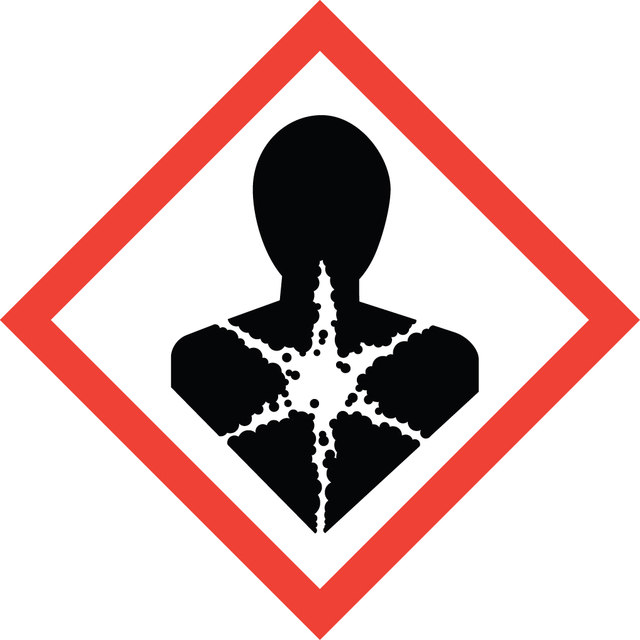
Health hazardExclamation mark

警示用语:

Danger

危险分类

Eye Irrit. 2 - Resp. Sens. 1 - Skin Irrit. 2 - STOT SE 3

靶器官

Respiratory system

储存分类代码

10 - Combustible liquids


分析证书(COA)

输入产品批号来搜索 分析证书(COA) 。批号可以在产品标签上"批“ (Lot或Batch)字后找到。

已有该产品?

在文件库中查找您最近购买产品的文档。

访问文档库

Marie-France Counis et al.
Biochimie, 88(12), 1851-1858 (2006-09-23)
Apoptosis is characterized by cell shrinkage, nuclear condensation and internucleosomal DNA cleavage. Besides the central role of caspases and other proteases, cell death triggers DNA degradation so that DNases have an active role in apoptotic cell death. The best-characterized apoptotic
J Sträter et al.
Histochemistry and cell biology, 103(2), 157-160 (1995-02-01)
Apoptosis is a morphologically distinct form of programmed cell death that plays an important role in the growth regulation of a variety of tissues and also in the elimination of self-reacting immunocompetent cells. Several techniques for the qualitative and quantitative
Cytometry in cell necrobiology: analysis of apoptosis and accidental cell death (necrosis)
Darzynkiewicz, Z, et al
Cytometry, 27, 1-20 (1997)
Anatomical methods in cell death
Kerr, J F, et al
Methods in Cell Biology, 46, 1-27 (1995)
W Bursch et al.
Carcinogenesis, 11(5), 847-853 (1990-05-01)
Apoptosis is a form of cell death involved in the regulation of cell number in various organs and tumors. Quantitative determination of cell loss through apoptosis in histological sections requires, in addition to counts of apoptotic cells, information on the

相关内容

"Aging: getting older, exhibiting the signs of age, the decline in the physical (and mental) well-being over time, leading to death. Since the beginning of time, man has been obsessed with trying to slow down, stop, or even reverse the signs of aging. Many have gone as far as experimenting with nutritional regimens, eccentric exercises, fantastic rituals, and naturally occurring or synthetic wonder-elements to evade the signs of normal aging. Biologically speaking, what is aging? And what does the latest research tell us about the possibility of discovering the elusive “fountain of youth”? Many advances in our understanding of aging have come from systematic scientific research, and perhaps it holds the key to immortality. Scientifically, aging can be defined as a systems-wide decline in organismal function that occurs over time. This decline occurs as a result of numerous events in the organism, and these events can be classified into nine “hallmarks” of aging, as proposed by López-Otin et al. (2013). Several of the pathologies associated with aging are a direct result of these events going to extremes and may also involve aberrant activation of proliferation signals or hyperactivity. The hallmarks of aging have been defined based on their fulfillment of specific aging related criteria, such as manifestation during normal aging, acceleration of aging if experimentally induced or aggravated, and retardation of aging if prevented or blocked, resulting in increased lifespan. The nine hallmarks of aging are genomic instability, telomere attrition, epigenetic alterations, loss of proteostasis, deregulated nutrient sensing, mitochondrial dysfunction, cellular senescence, stem cell exhaustion, and altered intercellular communication. The biological processes underlying aging are complex. By understanding the hallmarks in greater detail, we can get closer to developing intervention strategies that can make the aging process less of a decline, and more of a recline."

我们的科学家团队拥有各种研究领域经验,包括生命科学、材料科学、化学合成、色谱、分析及许多其他领域.

联系客户支持