
W371602

4-甲基噻唑
≥98%, FG
别名:
4-methyl-1,3-thiazole
登录 查看组织和合同定价。
选择尺寸
关于此项目
经验公式(希尔记法):
C4H5NS
化学文摘社编号:
分子量:
99.15
FEMA Number:
3716
Council of Europe no.:
11627
UNSPSC Code:
12164502
PubChem Substance ID:
Flavis number:
15.035
EC Number:
211-764-1
NACRES:
NA.21
MDL number:
Organoleptic:
green; vegetable; nutty
Grade:
FG, Halal, Kosher
Biological source:
synthetic
Agency:
meets purity specifications of JECFA
Food allergen:
no known allergens
SMILES string
Cc1cscn1
InChI
1S/C4H5NS/c1-4-2-6-3-5-4/h2-3H,1H3
InChI key
QMHIMXFNBOYPND-UHFFFAOYSA-N
biological source
synthetic
grade
FG, Halal, Kosher
agency
meets purity specifications of JECFA
reg. compliance
EU Regulation 1334/2008 & 178/2002
assay
≥98%
refractive index
n20/D 1.524 (lit.)
bp
133-134 °C (lit.)
density
1.09 g/mL at 25 °C (lit.)
application(s)
flavors and fragrances
documentation
see Safety & Documentation for available documents
food allergen
no known allergens
organoleptic
green; vegetable; nutty
正在寻找类似产品? 访问 产品对比指南
General description
4-Methylthiazole is one of the key volatile flavor products formed during the thermal degradation of thiamin. It is reported to be found in roasted peanuts and roasted beef.
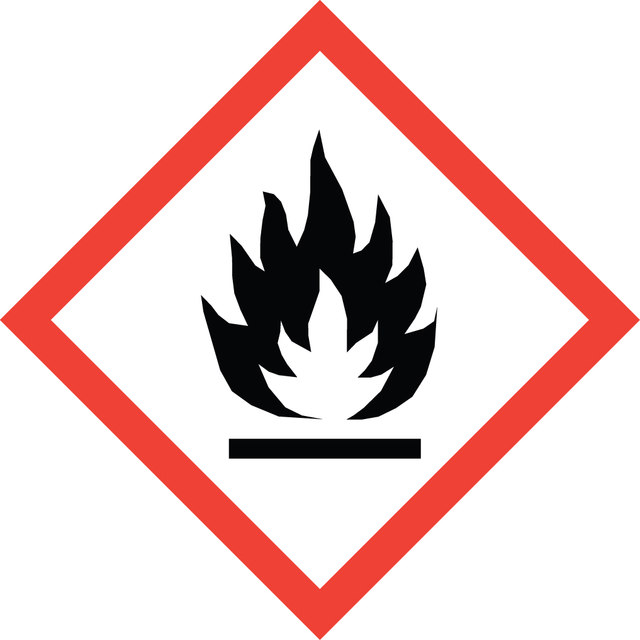

signalword
Warning
hcodes
Hazard Classifications
Acute Tox. 4 Oral - Eye Irrit. 2 - Flam. Liq. 3 - Skin Irrit. 2 - STOT SE 3
target_organs
Respiratory system
存储类别
3 - Flammable liquids
wgk
WGK 3
flash_point_f
89.6 °F - closed cup
flash_point_c
32 °C - closed cup
ppe
Eyeshields, Faceshields, Gloves, type ABEK (EN14387) respirator filter
法规信息
危险化学品
此项目有
Thermally degraded thiamin: a potent source of interesting flavor compounds.
Guntert M, et al.
ACS Symp. Ser., 490, 140?163-140?163 (1992)
Nitrogen-containing heterocyclic compounds identified in the volatile flavor constituents of roasted beef.
Hartman GJ, et al.
Journal of Agricultural and Food Chemistry, 31(5), 1030-1033 (1983)
Thiazoles, oxazoles, and oxazolines identified in the volatile flavor of roasted peanuts.
Lee MH, et al.
Journal of Agricultural and Food Chemistry, 29(3), 684-686 (1981)
Volatile products formed from the thermal degradation of thiamin at high and low moisture levels.
Hartman GJ, et al.
Journal of Agricultural and Food Chemistry, 32(5), 1015-1018 (1984)
Shivaji H Shelke et al.
Bioorganic & medicinal chemistry letters, 22(20), 6373-6376 (2012-09-18)
A new series of 3-aryl-2-(2-aryl/benzyl-4-methylthiazole-5-yl)thiazolidin-4-one was synthesized by condensation of 2-aryl/benzyl-4-methylthiazole-5-carbaldehyde, aromatic amines and thioglycolic acid in toluene. All the synthesized compounds are characterized by IR, NMR and elemental or mass analysis. Sixteen out of the newly synthesized compounds were
我们的科学家团队拥有各种研究领域经验,包括生命科学、材料科学、化学合成、色谱、分析及许多其他领域.
联系客户支持