跳转至内容
Merck
CN

W241105

4-烯丙基苯甲醚

≥98%, FCC

别名:

烯丙基苯甲醚, 爱草脑, 甲基胡椒酚, 胡椒酚甲醚, 草蒿脑

登录 查看组织和合同定价。

选择尺寸


关于此项目

线性分子式:
H2C=CHCH2C6H4OCH3
化学文摘社编号:
分子量:
148.20
NACRES:
NA.21
PubChem Substance ID:
UNSPSC Code:
12164502
Council of Europe no.:
184
EC Number:
205-427-8
MDL number:
Beilstein/REAXYS Number:
1099454
Organoleptic:
anise; green; spicy; herbaceous; minty; sweet
Grade:
Fragrance grade, Halal, Kosher
Biological source:
synthetic
Agency:
follows IFRA guidelines
Food allergen:
no known allergens
技术服务
需要帮助?我们经验丰富的科学家团队随时乐意为您服务。
让我们为您提供帮助
技术服务
需要帮助?我们经验丰富的科学家团队随时乐意为您服务。
让我们为您提供帮助

InChI key

ZFMSMUAANRJZFM-UHFFFAOYSA-N

InChI

1S/C10H12O/c1-3-4-9-5-7-10(11-2)8-6-9/h3,5-8H,1,4H2,2H3

SMILES string

COc1ccc(CC=C)cc1

biological source

synthetic

grade

Fragrance grade, Halal, Kosher

agency

follows IFRA guidelines

reg. compliance

EU Regulation 1223/2009, FCC, FDA 21 CFR 117, FDA 21 CFR 172.515

assay

≥98%

composition

Contains IFRA restricted 4-Allylanisole

Quality Level

refractive index

n20/D 1.521 (lit.)

bp

215-216 °C (lit.)

density

0.965 g/mL at 25 °C (lit.)

application(s)

flavors and fragrances

documentation

see Safety & Documentation for available documents

food allergen

no known allergens

fragrance allergen

no known allergens

organoleptic

anise; green; spicy; herbaceous; minty; sweet

正在寻找类似产品? 访问 产品对比指南

Disclaimer
For R&D or non-EU Food use. Not for retail sale.

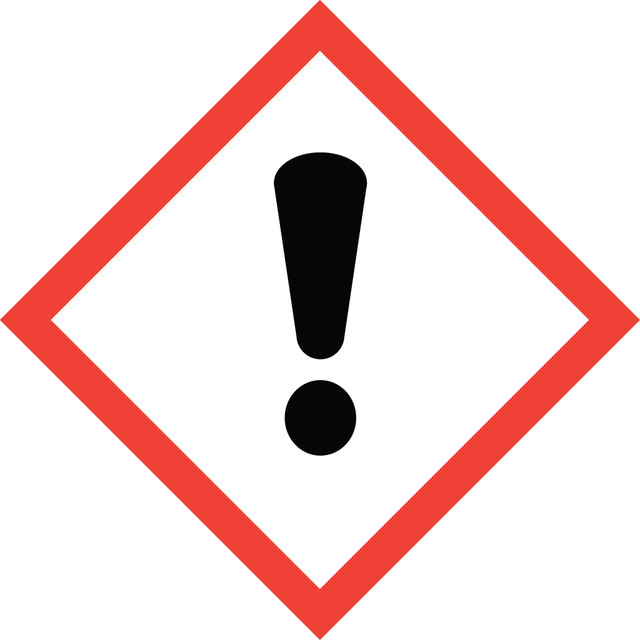
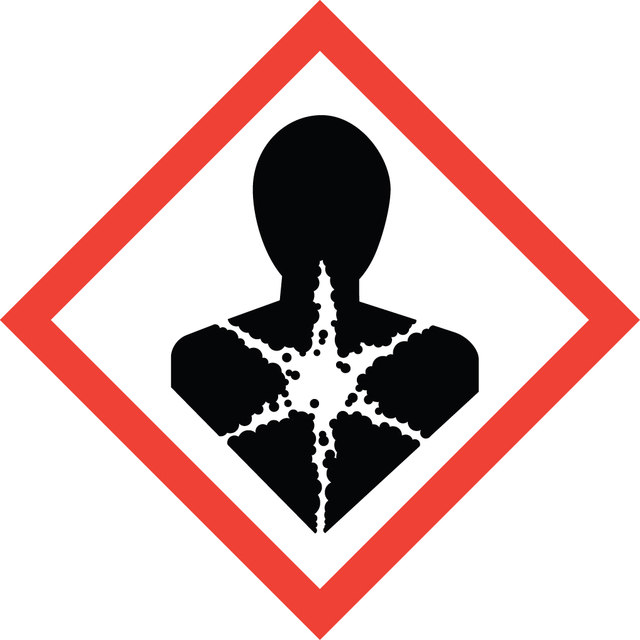
pictograms

Health hazardExclamation mark

signalword

Warning

Hazard Classifications

Acute Tox. 4 Oral - Aquatic Chronic 3 - Carc. 2 - Eye Irrit. 2 - Muta. 2 - Skin Irrit. 2 - Skin Sens. 1

存储类别

10 - Combustible liquids

wgk

WGK 2

flash_point_f

177.8 °F - closed cup

flash_point_c

81 °C - closed cup

ppe

Eyeshields, Faceshields, Gloves, type ABEK (EN14387) respirator filter


历史批次信息供参考:

分析证书(COA)

Lot/Batch Number

没有发现合适的版本?

如果您需要特殊版本,可通过批号或批次号查找具体证书。

已有该产品?

在文件库中查找您最近购买产品的文档。

访问文档库

Alicia Paini et al.
Toxicology and applied pharmacology, 245(1), 57-66 (2010-02-11)
Estragole has been shown to be hepatocarcinogenic in rodent species at high-dose levels. Translation of these results into the likelihood of formation of DNA adducts, mutation, and ultimately cancer upon more realistic low-dose exposures remains a challenge. Recently we have
Antonio Raffo et al.
Food and chemical toxicology : an international journal published for the British Industrial Biological Research Association, 49(2), 370-375 (2010-11-26)
Quantification of estragole content in commercial fennel herbal teas was carried out in order to allow for a more accurate estimate of the dietary exposure to estragole. A simple and rapid analytical method, based on Stir Bar Sorptive Extraction and
Alicia Paini et al.
Mutagenesis, 27(6), 653-663 (2012-07-31)
Estragole is a naturally occurring food-borne genotoxic compound found in a variety of food sources, including spices and herbs. This results in human exposure to estragole via the regular diet. The objective of this study was to quantify the dose-dependent
A R MacKenzie et al.
Philosophical transactions of the Royal Society of London. Series B, Biological sciences, 366(1582), 3177-3195 (2011-10-19)
We report measurements of atmospheric composition over a tropical rainforest and over a nearby oil palm plantation in Sabah, Borneo. The primary vegetation in each of the two landscapes emits very different amounts and kinds of volatile organic compounds (VOCs)
W Alhusainy et al.
Toxicology and applied pharmacology, 245(2), 179-190 (2010-03-17)
Estragole is a natural constituent of several herbs and spices including sweet basil. In rodent bioassays, estragole induces hepatomas, an effect ascribed to estragole bioactivation to 1'-sulfooxyestragole resulting in DNA adduct formation. The present paper identifies nevadensin as a basil

我们的科学家团队拥有各种研究领域经验,包括生命科学、材料科学、化学合成、色谱、分析及许多其他领域.

联系客户支持