
H59605

橙花叔醇
98%, Mixture of cis and trans
别名:
3,7,11-三甲基-1,6,10-十二烷三烯-3-醇, 3-羟基-3,7,11-三甲基-1,6,10-十二碳三烯
登录 查看组织和合同定价。
选择尺寸
关于此项目
线性分子式:
(CH3)2C=CHCH2CH2C(CH3)=CHCH2CH2C(CH3)(OH)CH=CH2
化学文摘社编号:
分子量:
222.37
NACRES:
NA.22
PubChem Substance ID:
UNSPSC Code:
12352100
EC Number:
230-597-5
MDL number:
Assay:
98%
InChI key
FQTLCLSUCSAZDY-SDNWHVSQSA-N
InChI
1S/C15H26O/c1-6-15(5,16)12-8-11-14(4)10-7-9-13(2)3/h6,9,11,16H,1,7-8,10,12H2,2-5H3/b14-11+
SMILES string
C\C(C)=C/CC\C(C)=C\CCC(C)(O)C=C
assay
98%
refractive index
n20/D 1.479 (lit.)
bp
114 °C/1 mmHg (lit.)
density
0.875 g/mL at 25 °C (lit.)
Quality Level
正在寻找类似产品? 访问 产品对比指南
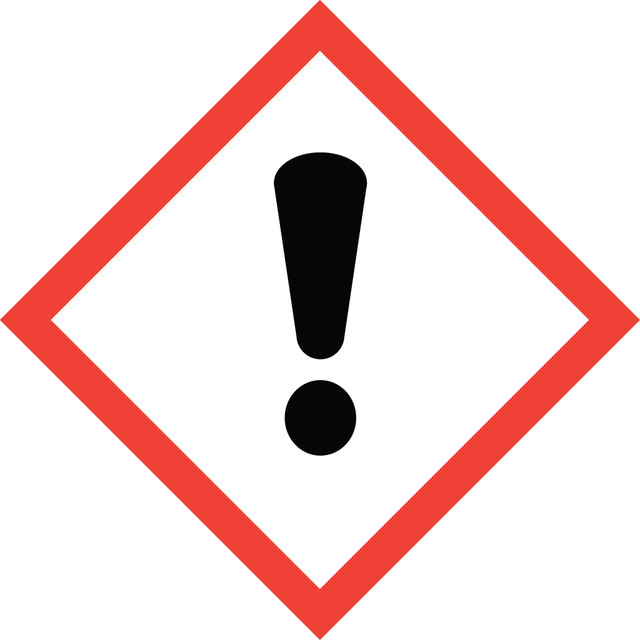
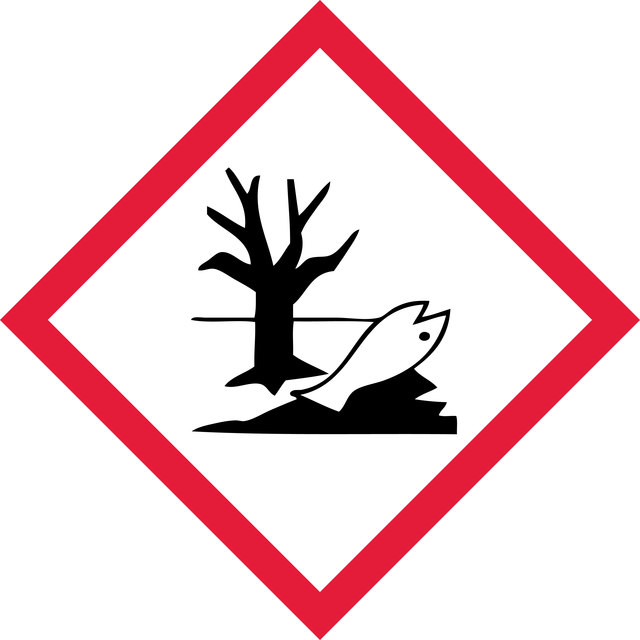
signalword
Warning
hcodes
Hazard Classifications
Aquatic Acute 1 - Aquatic Chronic 1 - Eye Irrit. 2 - Skin Sens. 1B
存储类别
10 - Combustible liquids
wgk
WGK 2
ppe
Eyeshields, Gloves, type ABEK (EN14387) respirator filter
Camila Fonseca Bezerra et al.
Membranes, 10(9) (2020-08-23)
(1) Background: Infections by Candida species represent a serious threat to the health of immunocompromised individuals. Evidence has indicated that nerolidol has significant antifungal properties. Nonetheless, its use is restricted due to a low water solubility and high photosensitivity. The
Lais Alonso et al.
Biochimica et biophysica acta. Biomembranes, 1861(6), 1049-1056 (2019-03-21)
The sesquiterpene nerolidol is a membrane-active compound that has demonstrated antitumor, antibacterial, antifungal and antiparasitic activities. In this study, we used electron paramagnetic resonance (EPR) spectroscopy and biophysical parameters determined via cell culture assays to study the mechanisms underlying the
A Lapczynski et al.
Food and chemical toxicology : an international journal published for the British Industrial Biological Research Association, 46 Suppl 11, S247-S250 (2008-07-22)
A toxicologic and dermatologic review of nerolidol when used as a fragrance ingredient is presented.
Clécio S Ramos et al.
Journal of insect physiology, 58(12), 1663-1668 (2012-10-31)
The chemical volatiles from plant leaves and their biological activities have been extensively studied. However, no studies have addressed plant-chemical volatiles after undergoing the digestive process in host insects. Here we describe for the first time chemical profiles of volatile
Fernanda Pículo et al.
Journal of applied toxicology : JAT, 31(7), 633-639 (2010-11-23)
Nerolidol is a sesquiterpenoid component of essential oil used as a flavor and aroma enhancer. It has also been studied as a topical skin penetration enhancer, and has inhibitory activities against S. aureus and E. coli, among other activities. The
我们的科学家团队拥有各种研究领域经验,包括生命科学、材料科学、化学合成、色谱、分析及许多其他领域.
联系客户支持