登录 查看组织和合同定价。
选择尺寸
关于此项目
经验公式(希尔记法):
C20H23N3O8
化学文摘社编号:
分子量:
433.41
UNSPSC Code:
12352106
NACRES:
NA.22
MDL number:
产品名称
Thalidomide-NH-PEG2-COOH, ≥95%
InChI
1S/C20H23N3O8/c24-16-4-3-15(18(27)22-16)23-19(28)13-2-1-12(11-14(13)20(23)29)21-6-8-31-10-9-30-7-5-17(25)26/h1-2,11,15,21H,3-10H2,(H,25,26)(H,22,24,27)
InChI key
TWTMAVHRHZISKR-UHFFFAOYSA-N
SMILES string
O=C(O)CCOCCOCCNC1=CC=C2C(=O)N(C(=O)C2=C1)C3C(=O)NC(=O)CC3
ligand
thalidomide
assay
≥95%
form
powder or crystals (or Solid or Chunks)
color
faint yellow to yellow, and Yellow-Green
storage temp.
2-8°C
Quality Level
Application
Thalidomide-NH-PEG2-COOH is a functionalized von-Hippel-Lindau (VHL) ligand with a terminal hydroxyl group. Allows rapid conjugation with many linkers containing active leaving groups. A basic building block for development of a protein degrader library.
Technology Spotlight:
Degrader Building Blocks for Targeted Protein Degradation
Protein Degrader Building Blocks
Technology Spotlight:
Degrader Building Blocks for Targeted Protein Degradation
Protein Degrader Building Blocks
Legal Information
PROTAC is a registered trademark of Arvinas Operations, Inc., and is used under license.
Other Notes
Targeted Protein Degradation by Small Molecules
Destruction of DNA-Binding Proteins by Programmable Oligonucleotide PROTAC (O′PROTAC): Effective Targeting of LEF1 and ERG
Small-Molecule PROTACS: New Approaches to Protein Degradation
Targeted Protein Degradation: from Chemical Biology to Drug Discovery
Impact of linker length on the activity of PROTACs
Destruction of DNA-Binding Proteins by Programmable Oligonucleotide PROTAC (O′PROTAC): Effective Targeting of LEF1 and ERG
Small-Molecule PROTACS: New Approaches to Protein Degradation
Targeted Protein Degradation: from Chemical Biology to Drug Discovery
Impact of linker length on the activity of PROTACs
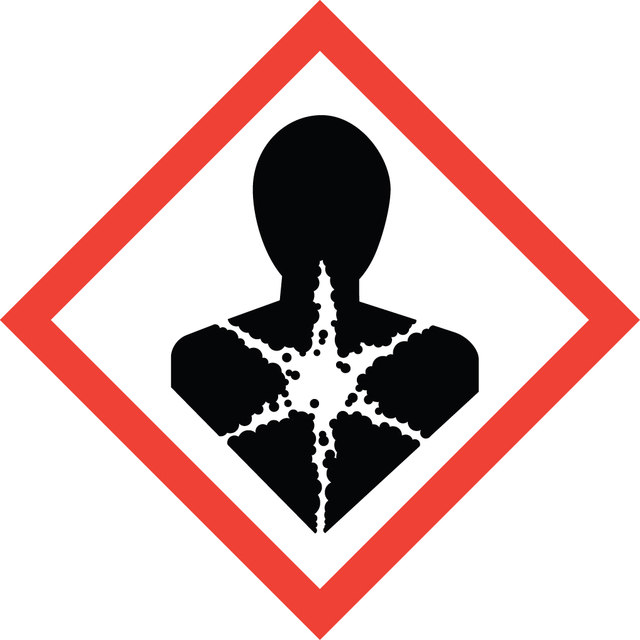
signalword
Danger
hcodes
Hazard Classifications
Acute Tox. 3 Oral - Acute Tox. 4 Dermal - Repr. 1A
存储类别
6.1C - Combustible acute toxic Cat.3 / toxic compounds or compounds which causing chronic effects
wgk
WGK 3
flash_point_f
Not applicable
flash_point_c
Not applicable
法规信息
新产品
此项目有
Jingwei Shao et al.
Advanced science (Weinheim, Baden-Wurttemberg, Germany), 8(20), e2102555-e2102555 (2021-08-17)
DNA-binding proteins, including transcription factors (TFs), play essential roles in various cellular processes and pathogenesis of diseases, deeming to be potential therapeutic targets. However, these proteins are generally considered undruggable as they lack an enzymatic catalytic site or a ligand-binding
Daniel P Bondeson et al.
Annual review of pharmacology and toxicology, 57, 107-123 (2016-10-13)
Protein homeostasis networks are highly regulated systems responsible for maintaining the health and productivity of cells. Whereas therapeutics have been developed to disrupt protein homeostasis, more recently identified techniques have been used to repurpose homeostatic networks to effect degradation of
Kedra Cyrus et al.
Molecular bioSystems, 7(2), 359-364 (2010-10-06)
Conventional genetic approaches have provided a powerful tool in the study of proteins. However, these techniques often preclude selective manipulation of temporal and spatial protein functions, which is crucial for the investigation of dynamic cellular processes. To overcome these limitations
Momar Toure et al.
Angewandte Chemie (International ed. in English), 55(6), 1966-1973 (2016-01-13)
The current inhibitor-based approach to therapeutics has inherent limitations owing to its occupancy-based model: 1) there is a need to maintain high systemic exposure to ensure sufficient in vivo inhibition, 2) high in vivo concentrations bring potential for off-target side effects, and 3) there is
Philipp M Cromm et al.
Cell chemical biology, 24(9), 1181-1190 (2017-06-27)
Traditional pharmaceutical drug discovery is almost exclusively focused on directly controlling protein activity to cure diseases. Modulators of protein activity, especially inhibitors, are developed and applied at high concentration to achieve maximal effects. Thereby, reduced bioavailability and off-target effects can
我们的科学家团队拥有各种研究领域经验,包括生命科学、材料科学、化学合成、色谱、分析及许多其他领域.
联系客户支持