
68312

2-甲基戊烷
≥95.0% (GC)
别名:
“异己烷"
登录 查看组织和合同定价。
选择尺寸
关于此项目
线性分子式:
CH3CH2CH2CH(CH3)2
化学文摘社编号:
分子量:
86.18
UNSPSC Code:
12352100
NACRES:
NA.22
PubChem Substance ID:
EC Number:
203-523-4
Beilstein/REAXYS Number:
1730735
MDL number:
Assay:
≥95.0% (GC)
Form:
liquid
InChI key
AFABGHUZZDYHJO-UHFFFAOYSA-N
InChI
1S/C6H14/c1-4-5-6(2)3/h6H,4-5H2,1-3H3
SMILES string
CCCC(C)C
vapor density
3 (vs air)
vapor pressure
6.77 psi ( 37.7 °C)
assay
≥95.0% (GC)
form
liquid
autoignition temp.
583 °F
expl. lim.
7 %
impurities
≤0.5% 3-methylpentane, ≤2% 2,3-dimethyl-propane
Quality Level
refractive index
n20/D 1.371
bp
62 °C (lit.)
mp
−154 °C (lit.)
density
0.653 g/mL at 25 °C (lit.)
正在寻找类似产品? 访问 产品对比指南
Application
2-Methylpentane is mainly used as a model n-alkane in studies relating to alkane cracking, excess enthalpies and vapor-liquid equilibrium of binary alkane mixtures.
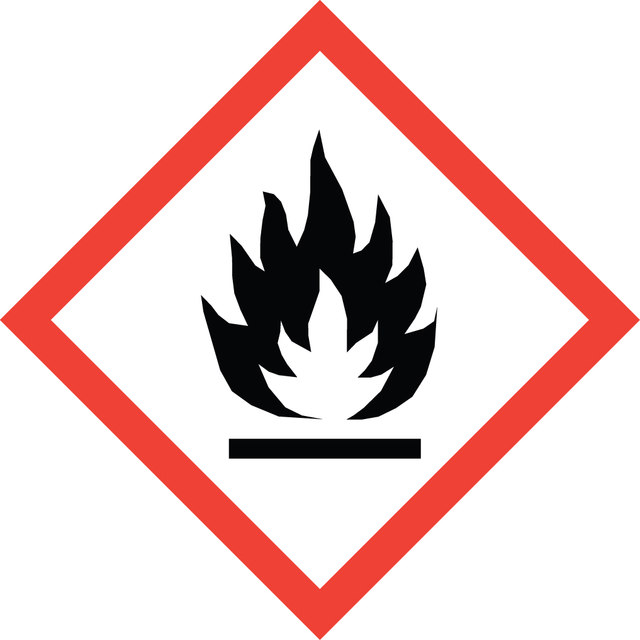
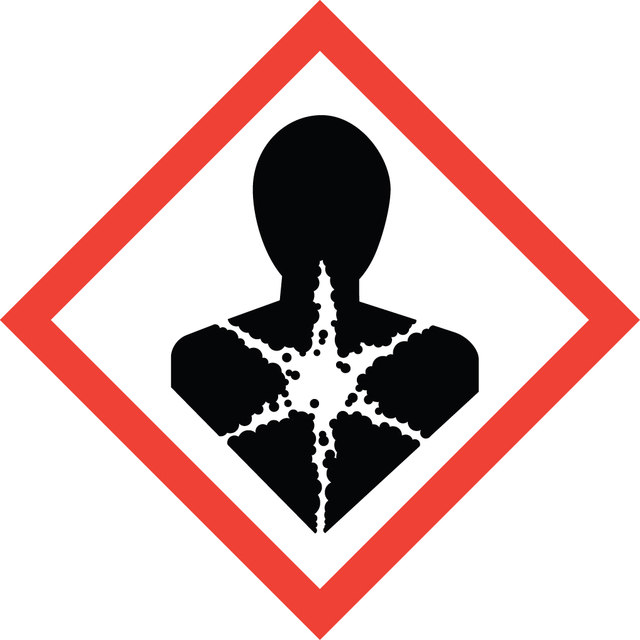

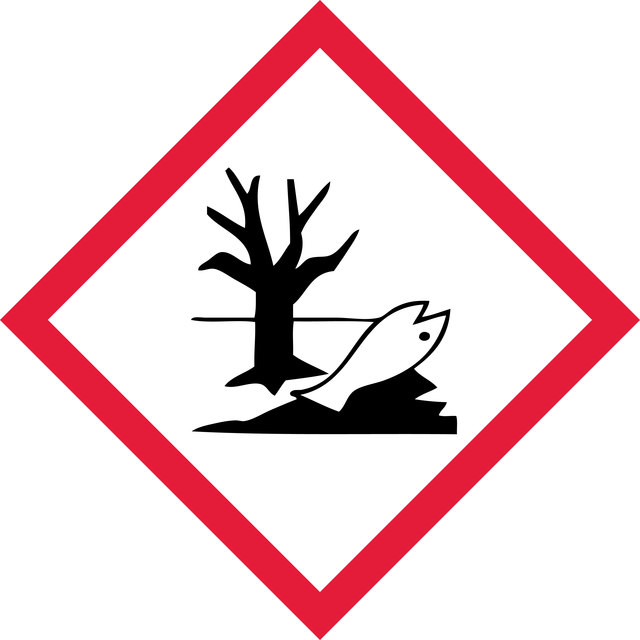
signalword
Danger
hcodes
Hazard Classifications
Aquatic Chronic 2 - Asp. Tox. 1 - Flam. Liq. 2 - Skin Irrit. 2 - STOT SE 3
target_organs
Central nervous system
存储类别
3 - Flammable liquids
wgk
WGK 2
flash_point_f
19.4 °F - closed cup
flash_point_c
-7 °C - closed cup
ppe
Eyeshields, Faceshields, Gloves
法规信息
危险化学品
此项目有
Alkane cracking, alkene polymerization, and Friedel?Crafts alkylation in liquids containing the acidic anions HX2?, XH (AlX4)?, XH (Al2X7)?, and Al2X7?(X= chlorine, bromine).
Xiao L
J. Mol. Catal. A: Chem., 214(1), 121-127 (2004)
Excess enthalpies for the binary systems n-octane with 2-methylpentane and 3-methylpentane.
Ameling W
Journal of Chemical and Engineering Data, 28(2), 184-186 (1983)
Isobaric Vapor? Liquid Equilibrium in the Systems 2-Methylpentane+ Methyl 1, 1-Dimethylethyl Ether,+ Ethyl 1, 1-Dimethylethyl Ether, and+ Methyl 1, 1-Dimethylpropyl Ether.
Aucejo A
Journal of Chemical and Engineering Data, 43(6), 973-977 (1998)
2-Methylpentane (isohexane). CAS# 107-83-5.
J B Galvin et al.
Journal of toxicology and environmental health. Part A, 58(1-2), 81-92 (1999-10-28)
M Ojala et al.
Rapid communications in mass spectrometry : RCM, 14(11), 994-998 (2000-06-09)
A method using purge-and-membrane mass spectrometry (PAM-MS) was developed for the analysis of residual solvents in pharmaceutical products. The method combines dynamic headspace and membrane inlet mass spectrometry. The limits of detection for the compounds studied, benzene, toluene, chloroform, 2-pentene
我们的科学家团队拥有各种研究领域经验,包括生命科学、材料科学、化学合成、色谱、分析及许多其他领域.
联系客户支持