

InChI
1S/Mg.2Nb.9O.3Pb
InChI key
ZBSCCQXBYNSKPV-UHFFFAOYSA-N
SMILES string
O=[Mg].O=[PbH2].O=[PbH2].O=[PbH2].O=[Nb]12O[Nb](=O)(O1)O2
assay
≥99% trace metals basis
form
powder
reaction suitability
reagent type: catalyst
core: lead
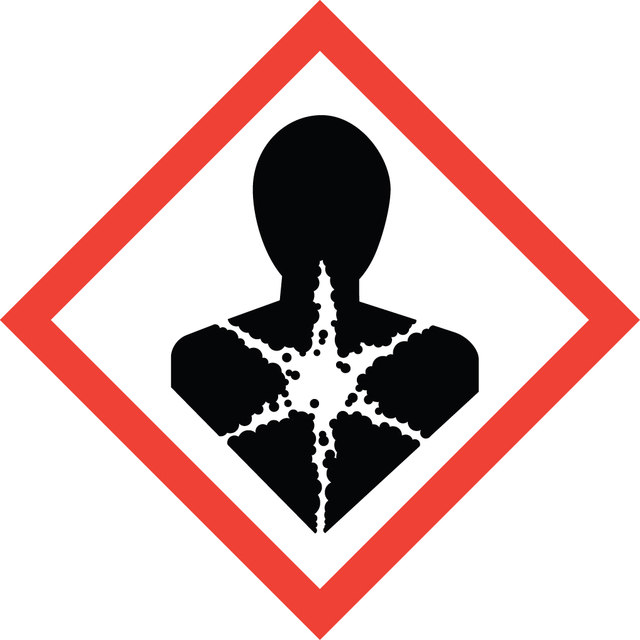

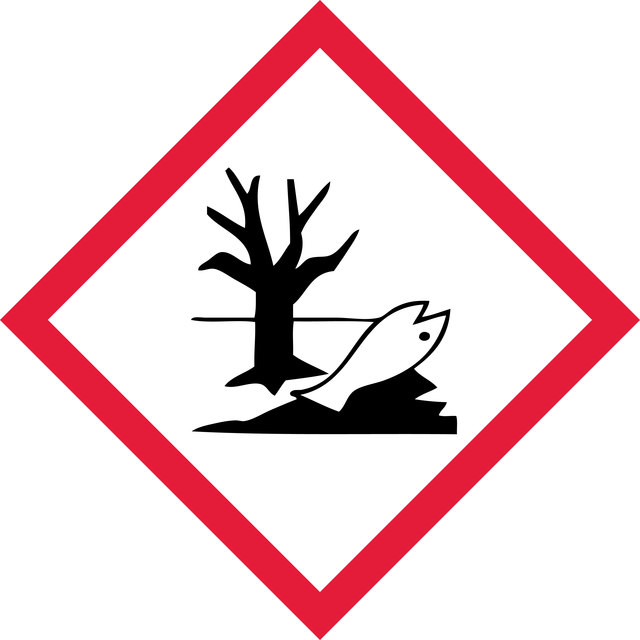
signalword
Danger
Hazard Classifications
Acute Tox. 4 Inhalation - Acute Tox. 4 Oral - Aquatic Acute 1 - Aquatic Chronic 1 - Repr. 1A - STOT RE 2
存储类别
6.1D - Non-combustible acute toxic Cat.3 / toxic hazardous materials or hazardous materials causing chronic effects
wgk
WGK 3
flash_point_f
Not applicable
flash_point_c
Not applicable
法规信息
新产品
此项目有
Ciaran J McCoy et al.
PLoS neglected tropical diseases, 11(1), e0005279-e0005279 (2017-01-04)
Wuchereria bancrofti, Brugia malayi and Brugia timori infect over 100 million people worldwide and are the causative agents of lymphatic filariasis. Some parasite carriers are amicrofilaremic whilst others facilitate mosquito-based disease transmission through blood-circulating microfilariae (Mf). Recent findings, obtained largely
Rafael Wesley Bastos et al.
mSphere, 5(2) (2020-04-10)
Aspergillus nidulans is an opportunistic fungal pathogen in patients with immunodeficiency, and virulence of A. nidulans isolates has mainly been studied in the context of chronic granulomatous disease (CGD), with characterization of clinical isolates obtained from non-CGD patients remaining elusive.
M Vailati-Riboni et al.
Journal of dairy science, 102(9), 8343-8351 (2019-07-16)
Methionine (Met) is one of the 2 most limiting amino acids for milk production in dairy cow diets. The accepted "ideal" ratio of lysine (Lys) to Met (L:M) when formulating diets is 3:1. However, blood from cows fed corn silage-based
José Pedro Lopes et al.
mBio, 9(6) (2018-11-08)
Microbial colonizers of humans have evolved to adapt to environmental cues and to sense nutrient availability. Oxygen is a constantly changing environmental parameter in different host tissues and in different types of infection. We describe how Candida albicans, an opportunistic
Ries J Langley et al.
PLoS pathogens, 13(9), e1006549-e1006549 (2017-09-08)
Staphylococcus aureus is an opportunistic pathogen that produces many virulence factors. Two major families of which are the staphylococcal superantigens (SAgs) and the Staphylococcal Superantigen-Like (SSL) exoproteins. The former are immunomodulatory toxins that induce a Vβ-specific activation of T cells
我们的科学家团队拥有各种研究领域经验,包括生命科学、材料科学、化学合成、色谱、分析及许多其他领域.
联系客户支持