Skip to Content
Merck
CN

36541

Paraquat dichloride hydrate

PESTANAL®, analytical standard

Synonym(s):

1,1′-Dimethyl-4,4′-bipyridinium dichloride hydrate, Gramoxone, Methyl viologen dichloride, Paraquat dichloride

Sign In to View Organizational & Contract Pricing.

Select a Size


About This Item

Empirical Formula (Hill Notation):
C12H14Cl2N2 · xH2O
CAS Number:
Molecular Weight:
257.16 (anhydrous basis)
UNSPSC Code:
41116107
NACRES:
NA.24
PubChem Substance ID:
MDL number:
Beilstein/REAXYS Number:
3752782
Technical Service
Need help? Our team of experienced scientists is here for you.
Let Us Assist
Technical Service
Need help? Our team of experienced scientists is here for you.
Let Us Assist

Product Name

Paraquat dichloride hydrate, PESTANAL®, analytical standard

InChI

1S/C12H14N2.2ClH.H2O/c1-13-7-3-11(4-8-13)12-5-9-14(2)10-6-12;;;/h3-10H,1-2H3;2*1H;1H2/q+2;;;/p-2

SMILES string

C[N+]1=CC=C(C2=CC=[N+](C)C=C2)C=C1.[Cl-].[Cl-].O

InChI key

RLGVBTFWTZJYIL-UHFFFAOYSA-L

grade

analytical standard

product line

PESTANAL®

shelf life

limited shelf life, expiry date on the label

technique(s)

HPLC: suitable
gas chromatography (GC): suitable

application(s)

agriculture
environmental

format

neat

storage temp.

2-8°C

Quality Level

Looking for similar products? Visit Product Comparison Guide

Application

Refer to the product′s Certificate of Analysis for more information on a suitable instrument technique. Contact Technical Service for further support.

General description

Paraquat dichloride hydrate is a dipyridilium compound, which can find wide applications as a contact herbicide in weed control management. Its mode of action involves the destruction of plant tissue, via disruption of photosynthesis process and rupturing cell membranes leading to desiccation of foliage.

Legal Information

PESTANAL is a registered trademark of Merck KGaA, Darmstadt, Germany

signalword

Danger

Hazard Classifications

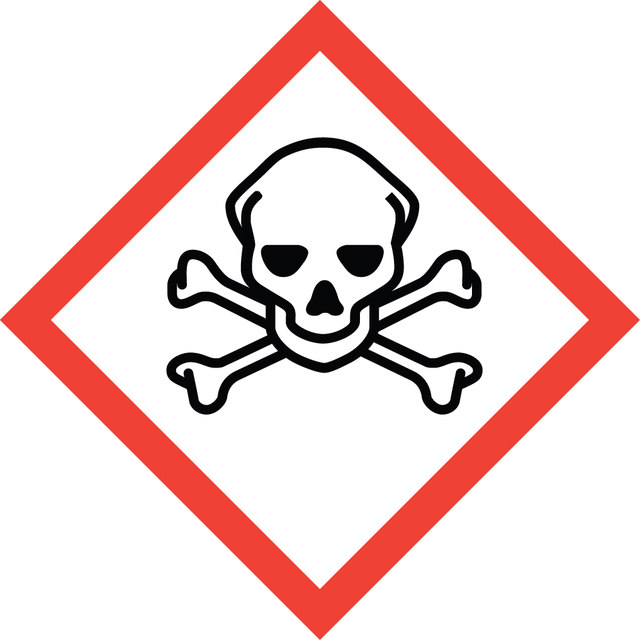
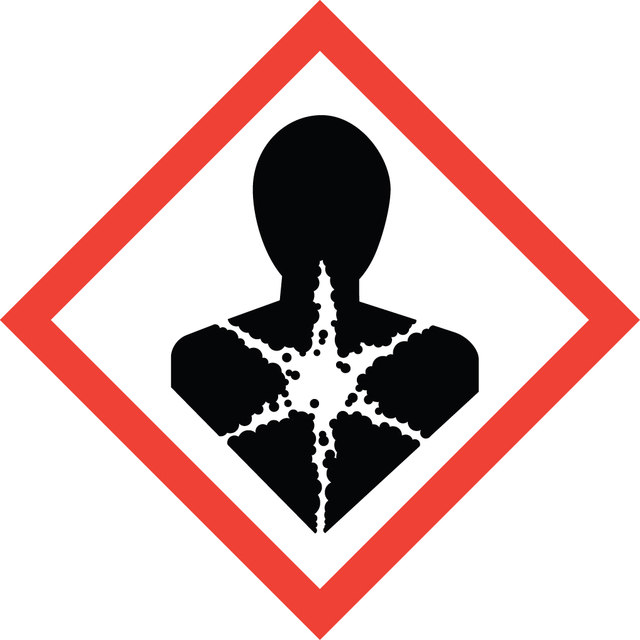
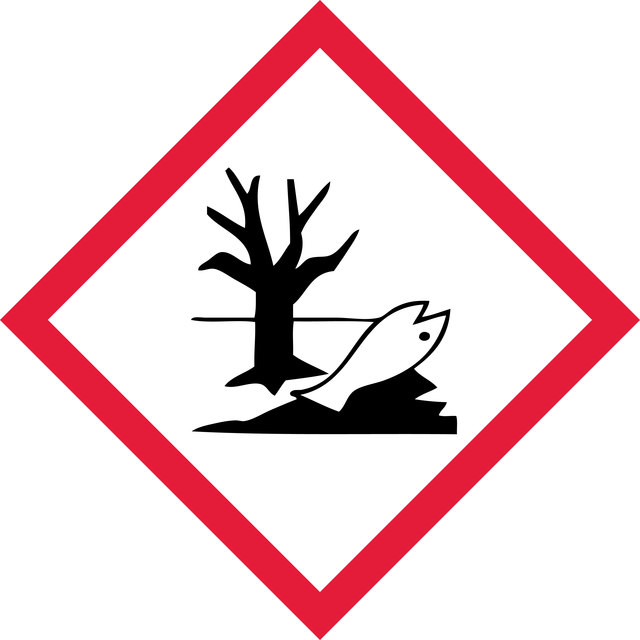
Acute Tox. 2 Dermal - Acute Tox. 2 Inhalation - Acute Tox. 3 Oral - Aquatic Acute 1 - Aquatic Chronic 1 - Eye Irrit. 2 - Skin Irrit. 2 - STOT RE 1 - STOT SE 3

target_organs

Respiratory system

Storage Class

6.1A - Combustible acute toxic Cat. 1 and 2 / very toxic hazardous materials

wgk

WGK 3

flash_point_f

Not applicable

flash_point_c

Not applicable

ppe

dust mask type N95 (US), Eyeshields, Faceshields, Gloves, type P2 (EN 143) respirator cartridges

Regulatory Information

危险化学品
This item has

Choose from one of the most recent versions:

Certificates of Analysis (COA)

Lot/Batch Number

Don't see the Right Version?

If you require a particular version, you can look up a specific certificate by the Lot or Batch number.

Already Own This Product?

Find documentation for the products that you have recently purchased in the Document Library.

Visit the Document Library

Field Dissiation Kinetics of Paraquat in Acid Soil as Function of Concentration and its Residues in Tea Leaves
Janaki.P and Chinnusamy.C
Asian Journal of Chemistry, 28, 1639-1639 (2016)
Inhibition of c-Src protects paraquat induced microvascular endothelial injury by modulating caveolin-1 phosphorylation and caveolae mediated transcellular permeability
Yu H and Qing H
Environmental Toxicology and Pharmacology, 52, 62-68 (2017)
Hiroki Nagai et al.
Genes to cells : devoted to molecular & cellular mechanisms, 25(5), 343-349 (2020-02-23)
Reactive oxygen species (ROS) often injure intestinal epithelia that cause loss of damaged cells, which is mainly repaired by proliferation of intestinal stem cells (ISCs). To maintain the homeostatic state, coordination of sensing of the ROS injury and the subsequent
Nonthakorn Beatrice Apirajkamol et al.
Ecology and evolution, 10(12), 5680-5693 (2020-07-02)
Stress is a widespread phenomenon that all organisms must endure. Common in nature is oxidative stress, which can interrupt cell homeostasis to cause cell damage and may be derived from respiration or from environmental exposure through diet. As a result
Kriti Chaplot et al.
Disease models & mechanisms, 12(2) (2019-01-13)
Familial amyotrophic lateral sclerosis (ALS) is an incurable, late-onset motor neuron disease, linked strongly to various causative genetic loci. ALS8 codes for a missense mutation, P56S, in VAMP-associated protein B (VAPB) that causes the protein to misfold and form cellular

Articles

Polar graphitic carbon enables UHPLC separation of highly polar pesticides, herbicides, and Vitamin D metabolites, advancing liquid chromatography capabilities.

Ultra-high performance liquid chromatographic (UHPLC) separation of polar herbicides, paraquat and diquat using SupelTM Carbon LC column with baseline resolution, excellent peak shape, and good lot-to-lot reproducibility.

Our team of scientists has experience in all areas of research including Life Science, Material Science, Chemical Synthesis, Chromatography, Analytical and many others.

Contact Technical Service