
682608

Nanoclay, surface modified
contains 25-30 wt. % trimethyl stearyl ammonium
Synonym(s):
Nanomer® I.28E, Nanomer® clay, Montmorillonite clay
form
powder
contains
25-30 wt. % trimethyl stearyl ammonium
matrix
Montmorillonite clay base material
particle size
≤20 μm
Quality Level
Looking for similar products? Visit Product Comparison Guide
Related Categories
Application
- Speed up cure catalyst
- Improve modulus
- Increase Tg
- Enhance chemical resistance
- Improve Rheology control
Legal Information
Product of Nanocor®, Inc.
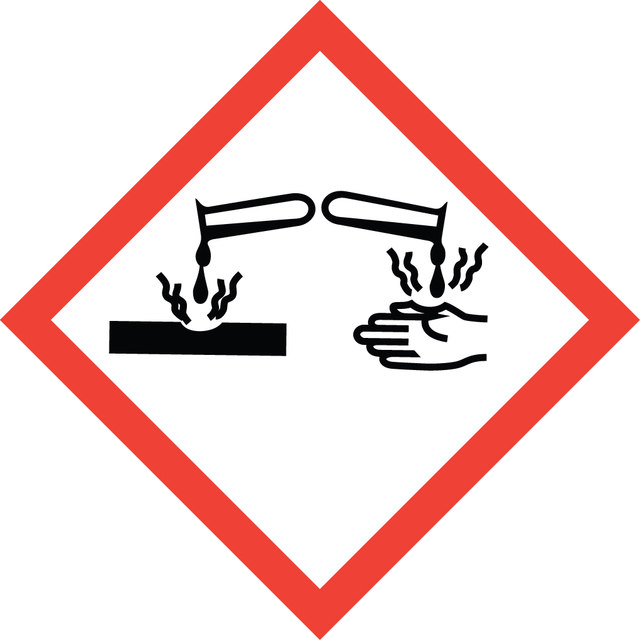
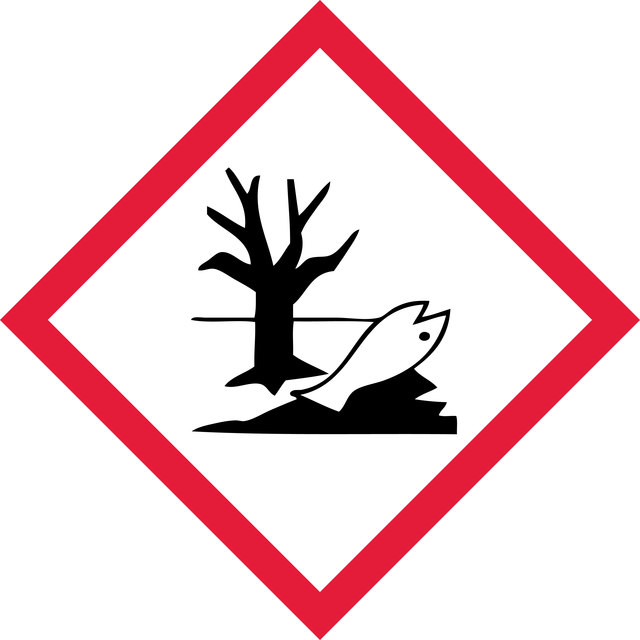
signalword
Danger
hcodes
Hazard Classifications
Aquatic Acute 1 - Aquatic Chronic 1 - Eye Dam. 1 - Skin Corr. 1C
Storage Class
8A - Combustible corrosive hazardous materials
wgk
WGK 3
flash_point_f
Not applicable
flash_point_c
Not applicable
ppe
dust mask type N95 (US), Eyeshields, Gloves
Regulatory Information
Choose from one of the most recent versions:
Already Own This Product?
Find documentation for the products that you have recently purchased in the Document Library.
Articles
Nanoclays like montmorillonite and bentonite are used in polymer-clay nanocomposites, rheology modifiers, and drug delivery carriers.
Graphene's unique properties spark interdisciplinary interest; its honeycomb structure offers electrical, optical, and mechanical marvels.
We have discussed shortly the applications of 1:1 and 2:1 phyllosilicate material in membrane technology, as well as the basic geometric understanding of their layered structures.
Nanoclays are clay minerals optimized for use in clay nanocomposites– multi-functional material systems with several property enhancements targeted for a particular application.
Related Content
This thematic issue focuses on the emerging applications of nanomaterials. Nanomaterials are defined as substances with at least one dimension smaller than 100 nm.
Our team of scientists has experience in all areas of research including Life Science, Material Science, Chemical Synthesis, Chromatography, Analytical and many others.
Contact Technical Service