
CRM44794

Phosphamidon
certified reference material, TraceCERT®, Manufactured by: Sigma-Aldrich Production GmbH, Switzerland
Synonym(s):
2-Chloro-N,N-diethyl-3-(dimethylphosphono)crotonic amide
Select a Size
About This Item
SMILES string
CCN(CC)C(=O)\C(Cl)=C(\C)OP(=O)(OC)OC
InChI
1S/C10H19ClNO5P/c1-6-12(7-2)10(13)9(11)8(3)17-18(14,15-4)16-5/h6-7H2,1-5H3/b9-8+
InChI key
RGCLLPNLLBQHPF-CMDGGOBGSA-N
grade
certified reference material, TraceCERT®
product line
TraceCERT®
shelf life
limited shelf life, expiry date on the label
manufacturer/tradename
Manufactured by: Sigma-Aldrich Production GmbH, Switzerland
format
neat
storage temp.
−20°C
Quality Level
Looking for similar products? Visit Product Comparison Guide
Related Categories
General description
Certified content by quantitative NMR incl. uncertainty and expiry date are given on the certificate.
Download your certificate at: http://www.sigma-aldrich.com
Phosphamidon is a broad-spectrum systemic organophosphorus pesticide. It is used as an insecticide against sap-feeding insects, rice-stem borers, and rice leaf beetles in crops of sugarcane, citrus fruits, commercial cotton, and nuts.
As per Regulation (EC) No. 1107/2009, repealing directive 91/414/EEC, phosphamidon is not approved for use in the European Union. But a default maximum residue limit (MRL) of 0.01 mg/kg is applicable for the presence of phosphamidon in products of plant origin, in accordance with Regulation (EC) No. 149/2008.
Application
The phosphamidon CRM may also find following uses:
- Determination of five organophosphorus pesticides in a medicinal herb sample using QuEChERS along with dispersive liquid-liquid microextraction (DLLME) and stacking followed by micellar electrokinetic chromatography (MEKC)
- Magnetic solid phase microextraction (MSPE) of five organophosphorus pesticides using graphene based cyanopropyltriethoxysilane as an adsorbent from cow′s milk samples and their subsequent determination by gas chromatography with micro-electron capture detector
- Investigation of residue levels of highly toxic pesticides in 6554 samples of fruits and vegetables by quadrupole time-of-flight LC/MS
- Analysis of 4 organophosphorus pesticides by gas chromatography with microelectron capture detector following their extraction using a newly synthesized magnetic hybrid material as a solid phase extraction adsorbent
- Multi-residue analysis of 44 organophosphorus pesticides by QuEChERS method combined with gas chromatography in Pogostemon cablin samples
- Detection of organophosphorus pesticides in Chinese cabbage sample by a newly designed positive photoionization-ion mobility spectrometry (PP-IMS) apparatus
Legal Information


signalword
Danger
hcodes
Hazard Classifications
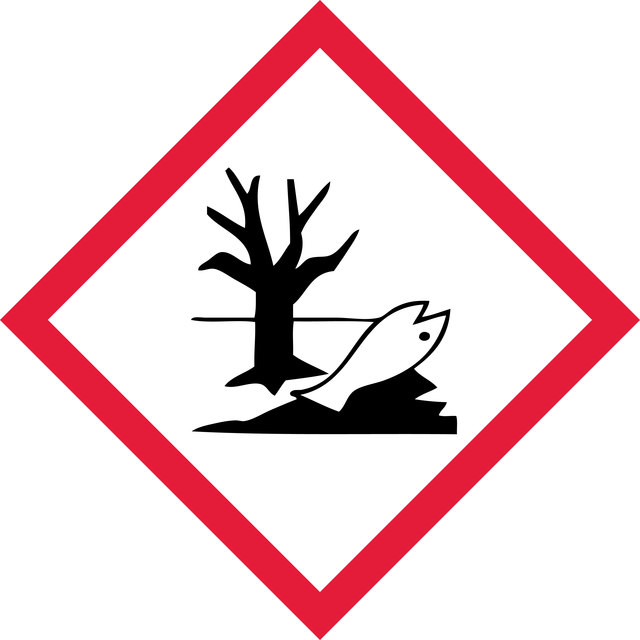
Acute Tox. 2 Oral - Acute Tox. 3 Dermal - Aquatic Acute 1 - Aquatic Chronic 1 - Muta. 2
Storage Class
6.1A - Combustible acute toxic Cat. 1 and 2 / very toxic hazardous materials
flash_point_f
Not applicable
flash_point_c
Not applicable
Regulatory Information
Certificates of Analysis (COA)
Search for Certificates of Analysis (COA) by entering the products Lot/Batch Number. Lot and Batch Numbers can be found on a product’s label following the words ‘Lot’ or ‘Batch’.
Already Own This Product?
Find documentation for the products that you have recently purchased in the Document Library.
Our team of scientists has experience in all areas of research including Life Science, Material Science, Chemical Synthesis, Chromatography, Analytical and many others.
Contact Technical Service