
SMB00289

Diallyl trisulfide
≥98% (HPLC)
Synonym(s):
Allyl trisulfide, Di-2-propenyl trisulfide
Sign In to View Organizational & Contract Pricing.
Select a Size
About This Item
Empirical Formula (Hill Notation):
C6H10S3
CAS Number:
Molecular Weight:
178.34
NACRES:
NA.25
PubChem Substance ID:
UNSPSC Code:
12352200
EC Number:
218-107-8
MDL number:
InChI key
UBAXRAHSPKWNCX-UHFFFAOYSA-N
InChI
1S/C6H10S3/c1-3-5-7-9-8-6-4-2/h3-4H,1-2,5-6H2
SMILES string
C=CCSSSCC=C
assay
≥98% (HPLC)
form
oil
application(s)
metabolomics
vitamins, nutraceuticals, and natural products
storage temp.
−20°C
Quality Level
Looking for similar products? Visit Product Comparison Guide
Related Categories
General description
Diallyl trisulfide (DATS) is one of the organosulfur compounds found in garlic (Allium sativum), and other Allium genera such as onions. This sulfur-rich compound is produced by the rapid disintegration of its metabolic precursor Allicin.
Application
Diallyl trisulfide (DATS) has been used to study its antimicrobial effects against Campylobacter jejuni. It has also been used to test its effect on hepatic regeneration in partial hepatectomy (PHx) rats.
Biochem/physiol Actions
Diallyl trisulfide (DATS) is a potent anti-cancer and chemopreventive agent that regulates apoptosis, metastasis, cell cycle, and angiogenesis in cancer pathways. It is also an excellent neuroprotective agent. DATS elicits antioxidant and anti-inflammatory activities against doxorubicin (DOX)-induced rats brains. It may improve glycemic control, muscle glucose utilization, and insulin secretion in streptozotocin-induced diabetic rats.
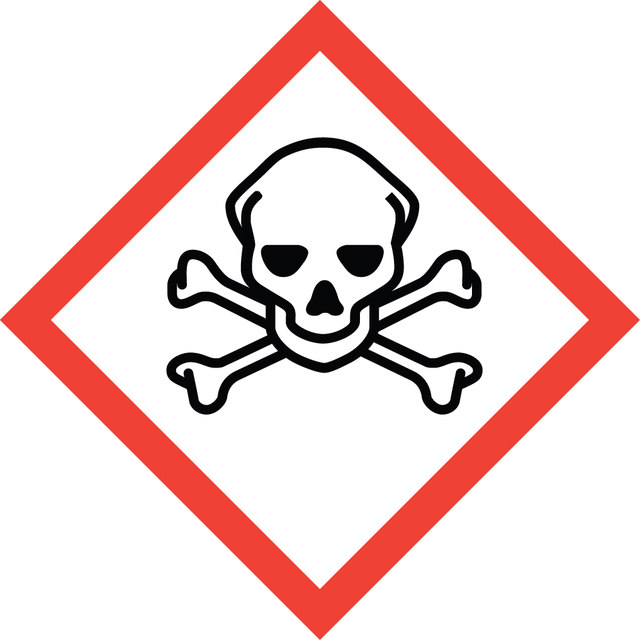
signalword
Danger
hcodes
pcodes
Hazard Classifications
Acute Tox. 3 Oral
Storage Class
6.1C - Combustible acute toxic Cat.3 / toxic compounds or compounds which causing chronic effects
wgk
WGK 3
flash_point_f
Not applicable
flash_point_c
Not applicable
Choose from one of the most recent versions:
Already Own This Product?
Find documentation for the products that you have recently purchased in the Document Library.
Wai-Shing Leung et al.
Free radical biology & medicine, 160, 141-148 (2020-08-04)
Doxorubicin (DOX) is a widely used antitumor drug that causes severe neurotoxicity in patients. Diallyl trisulfide (DATS) is an organosulfur compound with established potent antioxidant and anti-inflammatory properties. Herein, we investigated the neuroprotective efficacy of DATS in preventing DOX-induced neurotoxicity
Cheng-Tzu Liu et al.
European journal of pharmacology, 516(2), 165-173 (2005-06-07)
We investigated the effects of garlic oil and diallyl trisulfide on glycemic control in rats with streptozotocin-induced diabetes. Diabetic rats received by gavage garlic oil (100 mg/kg body weight), diallyl trisulfide (40 mg/kg body weight), or corn oil every other
Enhanced hepatocyte survival and anti-apoptosis via Akt by Diallyl trisulfide, augments hepatic regeneration through hydrogen sulfide in partially hepatectomized rats
Nithyananthan S, et al.,
Phytomedicine Plus, 1(4), 100048-100048 (2021)
Angiopoietin-like protein 4 potentiates DATS-induced inhibition of proliferation, migration, and invasion of bladder cancer EJ cells; involvement of G2/M-phase cell cycle arrest, signaling pathways, and transcription factors-mediated MMP-9 expression.
Shin S S, et al.
Food & Nutrition Research, 61(1), 1338918-1338918 (2017)
Diallyl trisulfide inhibits proliferation, invasion and angiogenesis of glioma cells by inactivating Wnt/β-catenin signaling.
Tao Q, et al.
Cell and Tissue Research, 370(3), 379-390 (2017)
Our team of scientists has experience in all areas of research including Life Science, Material Science, Chemical Synthesis, Chromatography, Analytical and many others.
Contact Technical Service