
S0625

D-(−)-Salicin
≥99% (GC)
Synonym(s):
2-(Hydroxymethyl)phenyl-β-D-glucopyranoside, Salicoside, Salicyl alcohol glucoside, Saligenin β-D-glucoside
Sign In to View Organizational & Contract Pricing.
Select a Size
Change View
About This Item
Empirical Formula (Hill Notation):
C13H18O7
CAS Number:
Molecular Weight:
286.28
UNSPSC Code:
12352205
NACRES:
NA.25
PubChem Substance ID:
EC Number:
205-331-6
Beilstein/REAXYS Number:
89593
MDL number:
assay
≥99% (GC)
form
powder
application(s)
metabolomics
vitamins, nutraceuticals, and natural products
SMILES string
OC[C@H]1O[C@@H](Oc2ccccc2CO)[C@H](O)[C@@H](O)[C@@H]1O
InChI
1S/C13H18O7/c14-5-7-3-1-2-4-8(7)19-13-12(18)11(17)10(16)9(6-15)20-13/h1-4,9-18H,5-6H2/t9-,10-,11+,12-,13-/m1/s1
InChI key
NGFMICBWJRZIBI-UJPOAAIJSA-N
General description
Salicin is a non-phenolic glucosidic compound extracted from meadowsweet (Filipendula ulmaria L). It is majorly used as a substitute for quinine. Salicin can be used as a therapeutic for patients suffering from rheumatic fever. Salicin acts a metabolic precursor for salicylic acid. It is a novel phytochemical that exhibits immunological cross functions in plants and humans. Salicin facilitates growth and reproduction in plants. In addition, It also protects plants against biotic and abiotic stress.
Application
D-(-)-Salicin has been used:
- to study its in vitro anticoagulant and antiplatelet activities
- as a standard in high performance liquid chromatography method (HPLC) for quantitation of salicin from willow plant
- as a tastant in taste threshold assay
- as a constituent of nutrient agar-salicin medium for selective isolation of Lactobacillus paracasei
Biochem/physiol Actions
D-(−)-Salicin exerts anti-rheumatism and anti-inflammatory activities. It inhibits lipopolysaccharide (LPS) induced inflammation in in vitro and in vivo studies. It regulates different signaling pathways such as nuclear factor kappa B (NF-κB) and mitogen-activated protein kinase (MAPK). It also regulates cytokines concentration such as tumor necrosis factor-alpha(TNF-α), interleukin-1β, interleukin-6, and interleukin-10.
Still not finding the right product?
Explore all of our products under D-(−)-Salicin
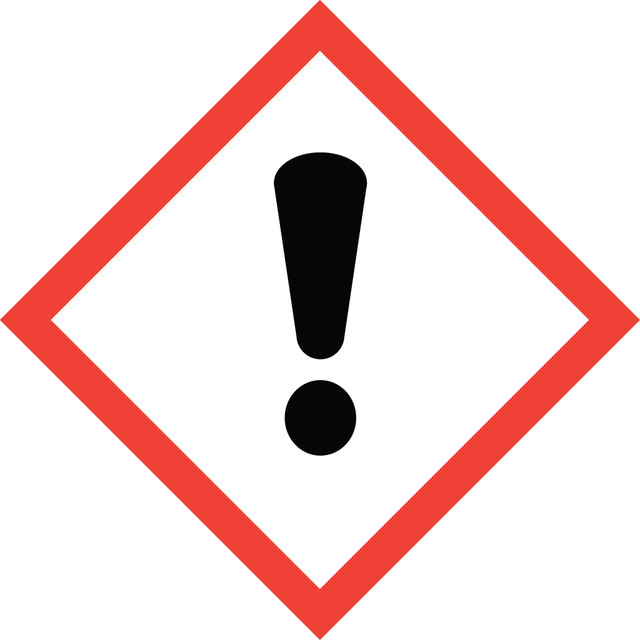
signalword
Warning
hcodes
Hazard Classifications
Skin Sens. 1
Storage Class
11 - Combustible Solids
flash_point_f
Not applicable
flash_point_c
Not applicable
ppe
dust mask type N95 (US), Eyeshields, Faceshields, Gloves
Choose from one of the most recent versions:
Already Own This Product?
Find documentation for the products that you have recently purchased in the Document Library.
Autofluorescence-based identification and functional validation of antennal gustatory sensilla in a specialist leaf beetle
Pentzold S, et al.
Frontiers in Physiology, 10, 343-343 (2019)
Drug discovery: a history (2005)
Dual anticoagulant/antiplatelet persulfated small molecules
Correia-da-Silva M, et al.
European Journal of Medicinal Chemistry, 46(6), 2347-2358 (2011)
Global Trade Item Number
| SKU | GTIN |
|---|---|
| S0625-5G | 04061836830403 |
| S0625-10G | 04061835327287 |
| S0625-100G | 04061836830342 |
| S0625-25G | 04061835327294 |