
RAB0747

Human TF / Serotransferrin ELISA Kit
Synonym(s):
Serotransferrin, TF, Transferrin
Sign In to View Organizational & Contract Pricing.
Select a Size
About This Item
NACRES:
NA.32
UNSPSC Code:
41116158
Gene information:
human ... TF(7018)
Input:
sample type cell culture supernatant(s)
sample type plasma
sample type serum
sample type plasma
sample type serum
Species reactivity:
human
Storage temp.:
−20°C
Shipped in:
wet ice
species reactivity
human
packaging
kit of 96 wells (12 strips x 8 wells)
technique(s)
ELISA: suitable
input
sample type cell culture supernatant(s)
sample type plasma
sample type serum
assay range
inter-assay cv: <12%
intra-assay cv: <10%
sensitivity: 1 ng/mL
standard curve range: 1.029-750 ng/mL
detection method
colorimetric
shipped in
wet ice
storage temp.
−20°C
Gene Information
human ... TF(7018)
General description
Transferrin (TF) is an iron (Fe) transport protein and found in blood plasma and brain extracellular fluids. It belongs to the family of Fe-binding glycoproteins. TF is made of a single polypeptide chain with two domains and each domain consists of a Fe-binding site. It helps in the transport of Fe(III) between the cells in soluble and non-toxic forms. TF also acts as a bacteriostatic agent as well as a growth factor. It binds to the transferrin receptor to mediate the cellular uptake of bound Fe. The TF gene is mapped on the human chromosome at 3q22.1. The antibody pair provided in this kit recognizes human serotransferrin.
Application
For research use only. Not for use in diagnostic procedures.
Please refer to the attached General ELISA KIT Procedure (sandwich, competitive & Indirect ELISA)
Please refer to the attached General ELISA KIT Procedure (sandwich, competitive & Indirect ELISA)
Other Notes
A sample Certificate of Analysis is available for this product.
Please type the word sample in the text box provided for lot number.
Please type the word sample in the text box provided for lot number.
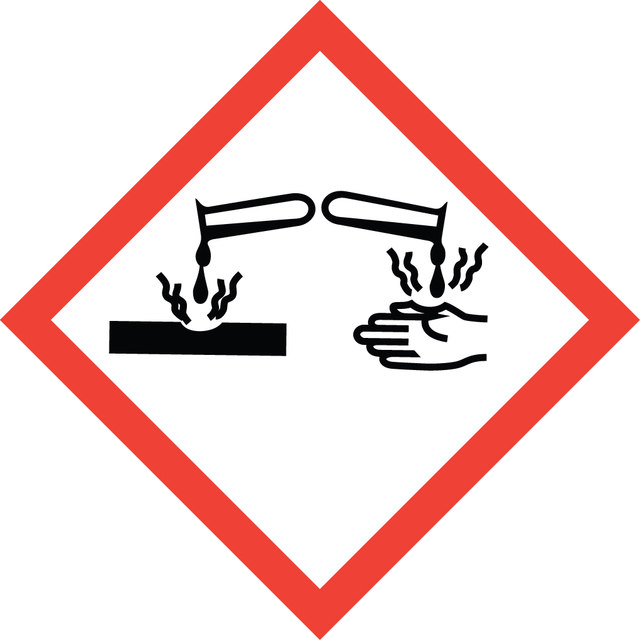
signalword
Warning
hcodes
pcodes
Hazard Classifications
Met. Corr. 1
Storage Class
8A - Combustible corrosive hazardous materials
flash_point_f
Not applicable
flash_point_c
Not applicable
Regulatory Information
常规特殊物品
低风险生物材料
This item has
Choose from one of the most recent versions:
Already Own This Product?
Find documentation for the products that you have recently purchased in the Document Library.
Stefanie Dichtl et al.
mBio, 10(1) (2019-02-07)
We have recently shown that the catecholamine dopamine regulates cellular iron homeostasis in macrophages. As iron is an essential nutrient for microbes, and intracellular iron availability affects the growth of intracellular bacteria, we studied whether dopamine administration impacts the course
T Moos et al.
Cellular and molecular neurobiology, 20(1), 77-95 (2000-02-26)
1. Iron (Fe) is an essential component of virtually all types of cells and organisms. In plasma and interstitial fluids, Fe is carried by transferrin. Iron-containing transferrin has a high affinity for the transferrin receptor, which is present on all
Sanjay R Mehta et al.
Journal of neuroinflammation, 14(1), 72-72 (2017-04-01)
Mitochondria are abundant organelles critical for energy metabolism and brain function. Mitochondrial DNA (mtDNA), released during cellular injury and as part of the innate immune response to viral pathogens, contains CpG motifs that act as TLR-9 ligands. We investigated relationships
Halina Milnerowicz et al.
Inhalation toxicology, 30(13-14), 534-541 (2019-02-23)
Pregnancy and tobacco smoking (TS) each can cause increases in reactive oxygen species (ROS) production; this, in turn, can lead to disorders in iron management and disruption of the pro- and anti-oxidant balance. The aim of the study was to
Torsten Arndt et al.
Clinica chimica acta; international journal of clinical chemistry, 394(1-2), 42-46 (2008-04-30)
An incomplete separation of disialotransferrin (CDT) and trisialotransferrin (a non-CDT isoform) may cause false-positive CDT results in alcohol abuse testing. We describe a currently unknown disialotransferrin-trisialotransferrin-bridging phenomenon (di-tri-bridge) appearing with high prevalence in serum from liver cirrhosis patients. Twenty one
Related Content
Our team of scientists has experience in all areas of research including Life Science, Material Science, Chemical Synthesis, Chromatography, Analytical and many others.
Contact Technical Service