
MAK165

Fluorimetric Hydrogen Peroxide Assay Kit
sufficient for 500 fluorometric tests (red fluorescence)
Synonym(s):
Hydrogen Peroxide Quantification Kit
Sign In to View Organizational & Contract Pricing.
Select a Size
About This Item
NACRES:
NA.84
UNSPSC Code:
12161503
usage
sufficient for 500 fluorometric tests (red fluorescence)
detection method
fluorometric
relevant disease(s)
cardiovascular diseases; aging/geriatric diseases; orthopedic diseases; pulmonary disorders; neurological disorders
storage temp.
−20°C
Looking for similar products? Visit Product Comparison Guide
Related Categories
General description
Hydrogen peroxide, a reactive oxygen species produced through the metabolism of molecular oxygen, serves as both an intracellular signaling messenger and a source of oxidative stress. Hydrogen peroxide is generated in cells via multiple mechanisms such as the NOX-mediated ROS production by neutrophils and macrophages (respiratory burst) or by the dismutase of superoxide anions produced as a result of electron leak during mitochondrial respiration. Abnormal hydrogen peroxide production contributes to oxidative cell damage and the progression of diseases such as asthma, atherosclerosis, osteoporosis, and neurodegeneration.
Application
This kit is suitable to quantify hydrogen peroxide levels in a variety of samples such as cellular extracts and solutions.
Biochem/physiol Actions
The Fluorescent Hydrogen Peroxide Assay Kit provides a simple and reproducible method to quantify hydrogen peroxide levels in a variety of samples such as cellular extracts and solutions. This kit can also be used to detect hydrogen peroxide released from living cells or produced by oxidase activities. This kit utilizes a peroxidase substrate that generates a red fluorescent product (λex = 540/λem = 590 nm) after reaction with hydrogen peroxide that can be analyzed by a fluorescent microplate reader.
Features and Benefits
Compatible with high-throughput handling systems.

signalword
Danger
hcodes
Hazard Classifications
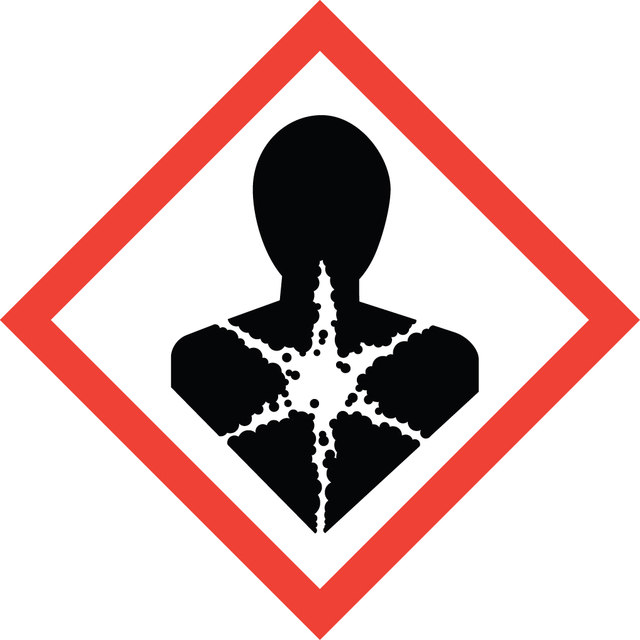
Acute Tox. 4 Oral - Resp. Sens. 1
Storage Class
10 - Combustible liquids
flash_point_f
Not applicable
flash_point_c
Not applicable
wgk
WGK 3
Regulatory Information
动植物源性产品
This item has
Choose from one of the most recent versions:
Already Own This Product?
Find documentation for the products that you have recently purchased in the Document Library.
Wei Zhu et al.
Oxidative medicine and cellular longevity, 2019, 5305014-5305014 (2019-06-11)
Females develop kidney stones less frequently than males do. However, it is unclear if this gender difference is related to altered estrogen/estrogen receptor (ER) signaling. Here, we found that ER beta (ERβ) signals could suppress hepatic oxalate biosynthesis via transcriptional
Yan Zhang et al.
Journal of nanobiotechnology, 19(1), 161-161 (2021-06-02)
As one typical cardiovascular disease, atherosclerosis severely endanger people' life and cause burden to people health and mentality. It has been extensively accepted that oxidative stress and inflammation closely correlate with the evolution of atherosclerotic plaques, and they directly participate
Foteini Vasilopoulou et al.
GeroScience, 43(2), 965-983 (2020-11-01)
Brain aging and dementia are current problems that must be solved. The levels of imidazoline 2 receptors (I2-IRs) are increased in the brain in Alzheimer's disease (AD) and other neurodegenerative diseases. We tested the action of the specific and selective
Yue Yang et al.
The Journal of biological chemistry, 294(23), 9295-9307 (2019-04-06)
Interest in pharmacological agents capable of increasing cellular NAD+ concentrations has stimulated investigations of nicotinamide riboside (NR) and nicotinamide mononucleotide (NMN). NR and NMN require large dosages for effect. Herein, we describe synthesis of dihydronicotinamide riboside (NRH) and the discovery
Ellen E Salmon et al.
Cells, 9(5) (2020-05-28)
Clinical studies have established a connection between oxidative stress, aging, and atherogenesis. These factors contribute to senescence and inflammation in the endothelium and significant reductions in endothelium-dependent vasoreactivity in aged patients. Tissue-engineered blood vessels (TEBVs) recapitulate the structure and function
Related Content
Instructions
Our team of scientists has experience in all areas of research including Life Science, Material Science, Chemical Synthesis, Chromatography, Analytical and many others.
Contact Technical Service