Skip to Content
Merck
CN

MAK085

Lipid Peroxidation (MDA) Assay Kit

sufficient for 100 colorimetric or fluorometric tests

Synonym(s):

MDA Assay, TBARS Assay, Thiobarbituric Acid Reactive Substances Assay

Sign In to View Organizational & Contract Pricing.

Select a Size


About This Item

NACRES:
NA.84
UNSPSC Code:
12161503
Technical Service
Need help? Our team of experienced scientists is here for you.
Let Us Assist
Technical Service
Need help? Our team of experienced scientists is here for you.
Let Us Assist

Product Name

Lipid Peroxidation (MDA) Assay Kit, sufficient for 100 colorimetric or fluorometric tests

usage

sufficient for 100 colorimetric or fluorometric tests

species reactivity

mouse

drug control

regulated under CDSA - not available from Sigma-Aldrich Canada

storage condition

dry at room temperature

technique(s)

activity assay: suitable

input

tissue

detection method

colorimetric
fluorometric

relevant disease(s)

endocrinological disorders, diabetes; neurological disorders; cancer; cardiovascular diseases

storage temp.

−20°C

Gene Information

mouse ... Lpolv(100035571)

Application

Lipid peroxidation (MDA) assay kit has been used to determine the levels of malondialdehyde (MDA).
Suitable for the measurement of malondialdehyde (MDA) in a variety of samples including tissue, cells and plasma

Biochem/physiol Actions

In this kit, lipid peroxidation is determined by the reaction of MDA with thiobarbituric acid (TBA) to form a colorimetric (532 nm)/fluorometric (λex = 532/λem = 553 nm) product, proportional to the MDA present.

General description

Lipid peroxidation is the degradation of lipids that occurs as a result of oxidative damage and is a useful marker for oxidative stress. Polyunsaturated lipids are susceptible to an oxidative attack, typically by reactive oxygen species, resulting in a well-defined chain reaction with the production of end products such as malondialdehyde (MDA). Lipid peroxidation may contribute to the pathology of many diseases including atherosclerosis, diabetes, and Alzheimer′s.

signalword

Danger

Hazard Classifications

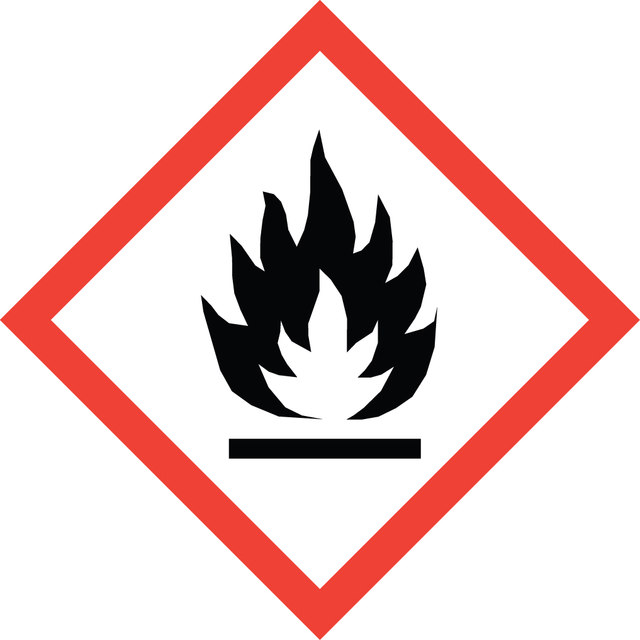
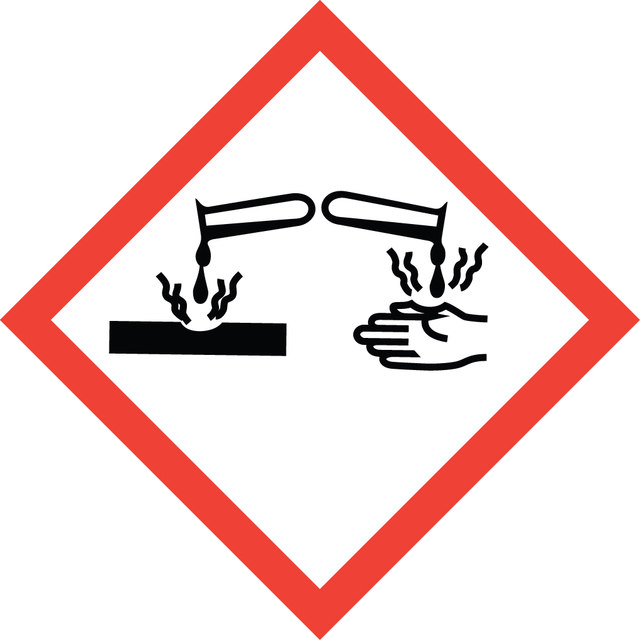
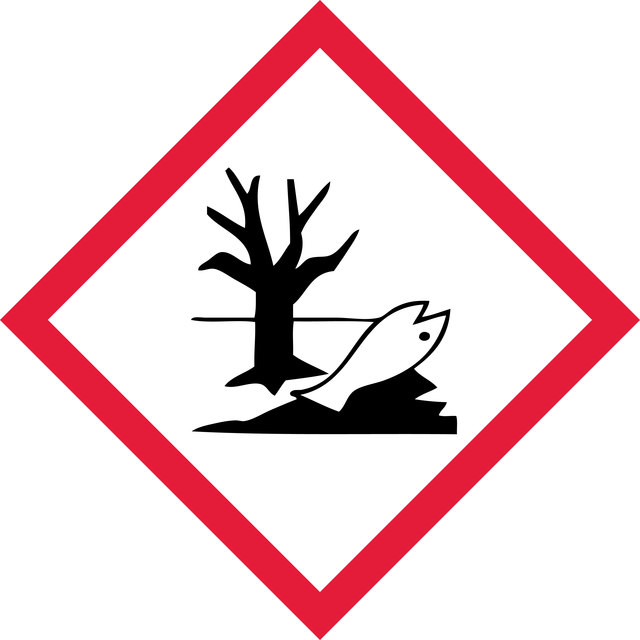
Acute Tox. 4 Oral - Aquatic Chronic 2 - Eye Dam. 1 - Flam. Liq. 2 - Skin Corr. 1C

Storage Class

3 - Flammable liquids

flash_point_f

57.2 °F - closed cup

flash_point_c

14 °C - closed cup

Regulatory Information

监管及禁止进口产品
This item has

Choose from one of the most recent versions:

Certificates of Analysis (COA)

Lot/Batch Number

Don't see the Right Version?

If you require a particular version, you can look up a specific certificate by the Lot or Batch number.

Already Own This Product?

Find documentation for the products that you have recently purchased in the Document Library.

Visit the Document Library

Heon Woo Lee et al.
Scientific reports, 8(1), 11595-11595 (2018-08-04)
To mitigate cyanobacterial blooms, the naphthoquinone derivative, NQ 2-0, which has selective algicidal activity against cyanobacteria, has been developed. However, due to a lack of information on its algicidal mechanisms, there are significant gaps in our understanding of how this
Erdem Kamil Ozer et al.
Biomedicine & pharmacotherapy = Biomedecine & pharmacotherapie, 86, 583-589 (2016-12-27)
The cyclooxygenase (COX)-2 overexpression is associated with vascular injury and multiple organ failure in sepsis. However, constitutive COX-1 and basal COX-2 expressions have physiological effects. We aimed to investigate the effects of partial and selective COX-2 inhibition without affecting constitutive
Yasemin Yuksel et al.
Journal of investigative surgery : the official journal of the Academy of Surgical Research, 29(6), 389-398 (2016-05-05)
The purpose of this study was to evaluate the possible protective/therapeutic effects of aloe vera (AV) on ischemia-reperfusion injury (I/R) of spinal cord in rats. A total of 28 Wistar Albino rats were divided into four random groups of equal
Maria I Ayuso et al.
ACS chemical neuroscience, 8(10), 2202-2213 (2017-07-22)
There is a need to develop additional effective therapies for ischemic stroke. Nitrones, which were first developed as reactive oxygen species (ROS)-trapping compounds, have been proposed as neuroprotective agents for ischemic stroke, a ROS-related disorder. The previous reported ROS-trapping compound
The axon protective effects of syringic acid on ischemia/reperfusion injury in a rat sciatic nerve model.
Tokmak M, et al.
Turkish Neurosurgery, 27(1) (2017)

Our team of scientists has experience in all areas of research including Life Science, Material Science, Chemical Synthesis, Chromatography, Analytical and many others.

Contact Technical Service