L4402

Lysostaphin from Staphylococcus staphylolyticus
BioUltra, ≥97% (SDS-PAGE), Protein 40-60 % by biuret, ≥2,000 units/mg protein
Synonym(s):
Glycyl-glycine Endopeptidase
Sign In to View Organizational & Contract Pricing.
Select a Size
Change View
About This Item
CAS Number:
UNSPSC Code:
12352204
NACRES:
NA.54
EC Number:
MDL number:
Specific activity:
≥2,000 units/mg protein
Assay:
≥97% (SDS-PAGE)
Biological source:
bacterial (Staphylococcus sp. )
Concentration:
40—60% protein
biological source
bacterial (
Quality Segment
product line
BioUltra
assay
≥97% (SDS-PAGE)
form
lyophilized powder
specific activity
≥2,000 units/mg protein
mol wt
25 kDa
composition
Protein, 40-60% biuret
concentration
40—60% protein
technique(s)
cell based assay: suitable
input
bacteria and yeast sample(s)
suitability
suitable for cell lysis
antibiotic activity spectrum
Gram-positive bacteria
application(s)
diagnostic assay manufacturing
mode of action
cell wall synthesis | interferes
storage temp.
−20°C
General description
Chemical structure: peptide
Package size based on protein content
Biochem/physiol Actions
Lysostaphin is a zinc endopeptidase with a molecular weight of approximately 25 kDa. Because lysostaphin cleaves the polyglycine cross-links in the peptidoglycan layer of the cell wall of Staphylococcus species it has been found useful for cell lysis and also as a potential anti-microbial therapeutic.
pH Optimum for activity: ~7.5
pH Optimum for activity: ~7.5
Physical form
Contains potassium phosphate buffer salts and sodium chloride
Preparation Note
Affinity purified
Other Notes
One unit will reduce the turbidity (A620) of a suspension of Staphylococcus aureus cells from 0.250 to 0.125 in 10 min at pH 7.5 at 37 °C in a 6.0 ml reaction mixture.
Still not finding the right product?
Explore all of our products under Lysostaphin from Staphylococcus staphylolyticus
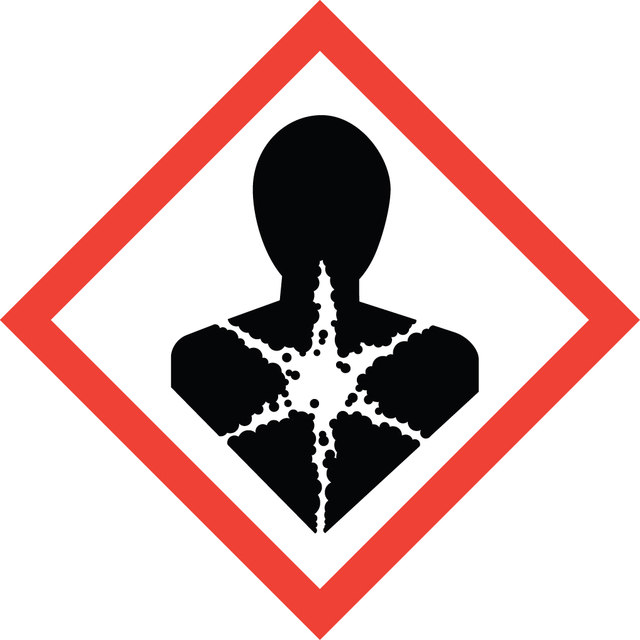
Signal Word
Danger
Hazard Codes
Precautionary Statements
Hazard Classifications
Resp. Sens. 1
Storage Class
11 - Combustible Solids
WGK
WGK 3
Flash Point (°F)
Not applicable
Flash Point (°C)
Not applicable
PPE (personal protective equipment)
Eyeshields, Gloves, type N95 (US)
Choose from one of the most recent versions:
Already Own This Product?
Find documentation for the products that you have recently purchased in the Document Library.