Skip to Content
Merck
CN

G1046

[6]-Gingerol

≥98% (HPLC)

Synonym(s):

3-Decanone, 5-hydroxy-1-(4-hydroxy-3-methoxyphenyl)-, (5S)-, 5-Hydroxy-1-(4-hydroxy-3-methoxyphenyl)-3-decanone, 6-Gingerol

Sign In to View Organizational & Contract Pricing.

Select a Size


About This Item

Empirical Formula (Hill Notation):
C17H26O4
CAS Number:
Molecular Weight:
294.39
NACRES:
NA.25
PubChem Substance ID:
UNSPSC Code:
12352205
MDL number:
Technical Service
Need help? Our team of experienced scientists is here for you.
Let Us Assist
Technical Service
Need help? Our team of experienced scientists is here for you.
Let Us Assist

Product Name

[6]-Gingerol, ≥98% (HPLC)

InChI

1S/C17H26O4/c1-3-4-5-6-14(18)12-15(19)9-7-13-8-10-16(20)17(11-13)21-2/h8,10-11,14,18,20H,3-7,9,12H2,1-2H3/t14-/m0/s1

SMILES string

CCCCC[C@H](O)CC(=O)CCc1ccc(O)c(OC)c1

InChI key

NLDDIKRKFXEWBK-AWEZNQCLSA-N

assay

≥98% (HPLC)

storage condition

protect from light
under inert gas

solubility

methanol: 1 mg/mL, clear, colorless

application(s)

metabolomics
vitamins, nutraceuticals, and natural products

shipped in

dry ice

storage temp.

−20°C

Quality Level

Looking for similar products? Visit Product Comparison Guide

Application

[6]-Gingerol has been used:
  • to study its effects on transient receptor potential (TRP) channels
  • to study its effects on experimental models of non-alcoholic steatohepatitis
  • to determine its effects on microsomal prostaglandine E2 synthase 1 (mPGES-1), glycogen synthase kinase 3β (GSK-3β) and β-catenin pathway in A549 cell line
  • to analyse the effects of 6-Shogaol (6-SG) on diabetic nephropathy (DN) in db/db mice

Biochem/physiol Actions

Bioactive compound found in ginger (Zingiber officinale) with antioxidant activity, which functions as an anti-inflammatory and antitumor agent. [6]-Gingerol down regulates proinflammatory cytokine release by macrophages. It has been shown to inhibit COX-2 expression by blocking the activation of p38 MAP kinase and NF-κB in phorbol ester-stimulated mouse skin.

General description

[6]-Gingerol is implicated in apoptosis, cell cycle regulation, cytotoxic activity and inhibition of angiogenesis. It prevents serotonin release and platelet aggregation. Gingerol has immunomodulatory, antiapoptotic, antihyperglycemic, antilipidemic and antiemetic properties.

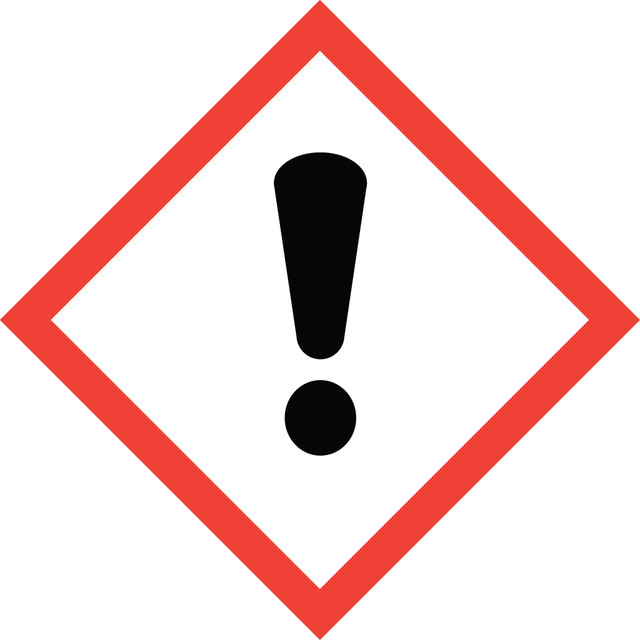
pictograms

Exclamation mark

signalword

Warning

Hazard Classifications

Eye Irrit. 2 - Skin Irrit. 2 - STOT SE 3

target_organs

Respiratory system

Storage Class

6.1C - Combustible acute toxic Cat.3 / toxic compounds or compounds which causing chronic effects

wgk

WGK 3

flash_point_f

Not applicable

flash_point_c

Not applicable

ppe

dust mask type N95 (US), Eyeshields, Faceshields, Gloves


Choose from one of the most recent versions:

Certificates of Analysis (COA)

Lot/Batch Number

Don't see the Right Version?

If you require a particular version, you can look up a specific certificate by the Lot or Batch number.

Already Own This Product?

Find documentation for the products that you have recently purchased in the Document Library.

Visit the Document Library

[6]-Gingerol dampens hepatic steatosis and inflammation in experimental nonalcoholic steatohepatitis
Tzeng TF, et al.
Phytomedicine, 22(4), 452-461 (2015)
Poovvathingal Haris et al.
International journal of biological macromolecules, 113, 124-131 (2018-02-20)
6-Gingerol [5-hydroxy-1-(4-hydroxy-3-methoxyphenyl) decan-3-one], the bio-active ingredient of the popular Indian spice ginger (Zingiber officinale Roscoe), is well-known for its pharmacological and physiological actions. The potent antioxidant, antiemetic, antiulcer, antimicrobial, analgesic, hypoglycemic, antihypertensive, antihyperlipidemic, immunostimulant, anti-inflammatory, cardiotonic, and cancer prevention activities
Effects of ginger and its pungent constituents on transient receptor potential channels
Kim YS, et al.
International Journal of Molecular Medicine, 38(6), 1905-1914 (2016)
Khairunnisa' Md Yusof et al.
Journal of natural medicines (2019-06-10)
Our previous study reported that combined treatment of γ-tocotrienol with 6-gingerol showed promising anticancer effects by synergistically inhibiting proliferation of human colorectal cancer cell lines. This study aimed to identify and elucidate molecular mechanisms involved in the suppression of SW837
Yun Xu et al.
Biomedicine & pharmacotherapy = Biomedecine & pharmacotherapie, 97, 633-641 (2017-11-05)
The prevalence of type 2 diabetes mellitus has been increasing worldwide and more than two thirds of the patients may develop diabetic nephropathy (DN). However, the efficiency of existing approaches on DN progression is limited. 6-Shogaol (6-SG), a major dehydrated

Articles

Chronic inflammation is an underlying factor in the development and progression of many of the chronic diseases of aging, such as arthritis, atherosclerosis, diabetes, and cancer.

Our team of scientists has experience in all areas of research including Life Science, Material Science, Chemical Synthesis, Chromatography, Analytical and many others.

Contact Technical Service