Skip to Content
Merck
CN

E9505

β-Estradiol 3-sulfate sodium salt

≥93%

Synonym(s):

1,3,5(10)-Estratriene-3,17β-diol 3-sulfate, 3,17β-Dihydroxy-1,3,5(10)-estratriene 3-sulfate

Sign In to View Organizational & Contract Pricing.

Select a Size


About This Item

Linear Formula:
C18H23O5SNa
CAS Number:
Molecular Weight:
374.43
NACRES:
NA.77
PubChem Substance ID:
UNSPSC Code:
51111800
MDL number:
Technical Service
Need help? Our team of experienced scientists is here for you.
Let Us Assist
Technical Service
Need help? Our team of experienced scientists is here for you.
Let Us Assist

form

powder

InChI

1S/C18H24O5S.Na.H/c1-18-9-8-14-13-5-3-12(23-24(20,21)22)10-11(13)2-4-15(14)16(18)6-7-17(18)19;;/h3,5,10,14-17,19H,2,4,6-9H2,1H3,(H,20,21,22);;/t14-,15-,16+,17+,18+;;/m1../s1

SMILES string

[Na].[H][C@]12CC[C@]3(C)[C@@H](O)CC[C@@]3([H])[C@]1([H])CCc4cc(OS(O)(=O)=O)ccc24

InChI key

PYPVMTJYMKHIST-LBARCDFESA-N

sterility

non-sterile

assay

≥93%

contains

~70% N-methyl-D-glucamine as stabilizer

solubility

methanol: 9.80-10.20 mg/mL, clear, colorless to faintly yellow

shipped in

ambient

storage temp.

room temp

Quality Level

General description

β-Estradiol is secreted by developing ovaries and is predominant during premenopause in women.

Application

β-Estradiol 3-sulfate sodium salt has been used to measure the estradiol level from culture supernatant in ultra-performance liquid chromatography-tandem mass spectrometry.

Biochem/physiol Actions

β-Estradiol is a steroid hormone involved in a number of organ functions. It is significantly associated with brain functions including neuroprotection, neurogenesis and synaptic plasticity. β-Estradiol maintains bone homeostasis, hence it is preferred for osteoporosis therapy. 17-β-Estradiol is the most active estrogen generated in our body. During postmenopausal, 17-β-estradiol inhibits oxidative modification in low density lipoprotein. This indicates that estrogen replacement therapy might be useful in treating cardiovascular disease.

Packaging

Package size based on steroid content

pictograms

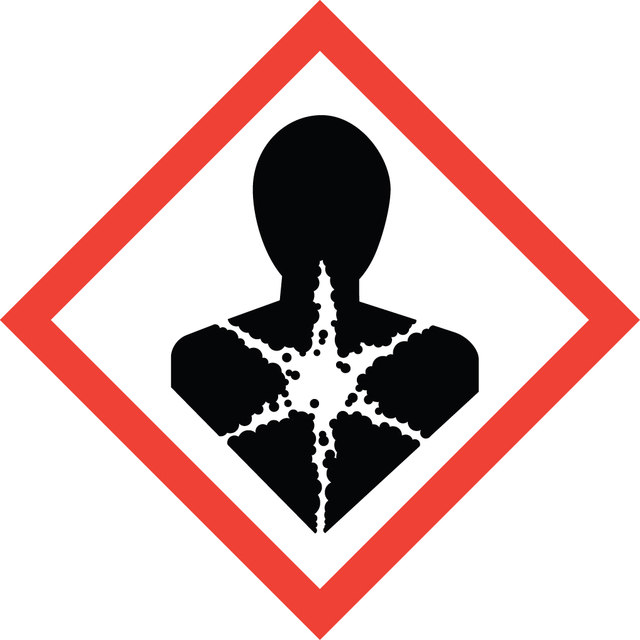
Health hazardExclamation mark

signalword

Warning

Hazard Classifications

Acute Tox. 4 Inhalation - Acute Tox. 4 Oral - Carc. 2

Storage Class

11 - Combustible Solids

wgk

WGK 3

flash_point_f

Not applicable

flash_point_c

Not applicable

ppe

Eyeshields, Gloves, type P3 (EN 143) respirator cartridges

Regulatory Information

涉药品监管产品
This item has

Choose from one of the most recent versions:

Certificates of Analysis (COA)

Lot/Batch Number

Don't see the Right Version?

If you require a particular version, you can look up a specific certificate by the Lot or Batch number.

Already Own This Product?

Find documentation for the products that you have recently purchased in the Document Library.

Visit the Document Library

T Tanaka et al.
Journal of steroid biochemistry, 22(2), 285-288 (1985-02-01)
Antisera were prepared against two types of estradiol-3-sulfate-bovine serum albumin (BSA) conjugates. The haptens were coupled to BSA through the C-6 position in the steroid molecule by the glutaraldehyde (A) or the carbodiimide method (B). In comparison the antiserum produced
T M Saleh et al.
The American journal of physiology, 275(3 Pt 2), R770-R778 (1998-09-05)
Female mammals have an enhanced baroreflex sensitivity compared with their male counterparts, leading researchers to speculate that estrogen modulates autonomic tone. Therefore, this study tests the hypothesis that exogenous estrogen can enhance the baroreflex sensitivity of male rats. Male Sprague-Dawley
Charles E Wood
Endocrinology, 152(12), 4966-4973 (2011-09-29)
Estradiol (E(2)) is an important modifier of the activity of the fetal hypothalamus-pituitary-adrenal axis. We have reported that estradiol-3-sulfate (E(2)SO(4)) circulates in fetal blood in far higher concentrations than E(2) and that the fetal brain expresses steroid sulfatase, required for
Meyler's Side Effects of Drugs: The International Encyclopedia of Adverse Drug Reactions and Interactions, 122-122 (2015)
Rebeca Martin-Skilton et al.
Aquatic toxicology (Amsterdam, Netherlands), 79(1), 24-30 (2006-06-30)
We have characterized hepatic phenol sulfotransferase (SULT) activities in two benthic fish species, Mullus barbatus and Lepidorhombus boscii, using p-nitrophenol, dopamine, 17beta-estradiol, 4-nonylphenol, and 1-naphthol as substrates. High affinity sulfation of 17beta-estradiol was observed in both species (Km=28-75 nM), suggesting

Our team of scientists has experience in all areas of research including Life Science, Material Science, Chemical Synthesis, Chromatography, Analytical and many others.

Contact Technical Service