Skip to Content
Merck
CN

C7870

Chalcone 4 hydrate

≥98% (HPLC)

Synonym(s):

(E)-1-(4-Chlorophenyl)-3-(4-hydroxy-3-methoxyphenyl)-2-propen-1-one hydrate

Sign In to View Organizational & Contract Pricing.

Select a Size


About This Item

Empirical Formula (Hill Notation):
C16H13ClO3 · xH2O
CAS Number:
Molecular Weight:
288.73 (anhydrous basis)
NACRES:
NA.77
PubChem Substance ID:
UNSPSC Code:
51111800
MDL number:
Technical Service
Need help? Our team of experienced scientists is here for you.
Let Us Assist
Technical Service
Need help? Our team of experienced scientists is here for you.
Let Us Assist

InChI

1S/C16H13ClO3.H2O/c1-20-16-10-11(3-9-15(16)19)2-8-14(18)12-4-6-13(17)7-5-12;/h2-10,19H,1H3;1H2/b8-2+;

SMILES string

O.COc1cc(ccc1O)\C=C\C(=O)c2ccc(Cl)cc2

InChI key

PXVQKTVKTBMRIW-VOKCZWNHSA-N

assay

≥98% (HPLC)

form

solid

storage condition

protect from light

color

yellow

solubility

DMSO: >20 mg/mL

storage temp.

−20°C

Quality Level

Biochem/physiol Actions

Chalcone 4 is a potent, selective inhibitor of the chemokine CXCL12 via direct binding. It is also a small molecule anti-ligand (or neutraligand) of CXCR4 and CXCR7.
Chalcone 4 is a potent, selective inhibitor of the chemokine CXCL12 via direct binding. It is also a small molecule anti-ligand (or neutraligand) of CXCR4 and CXCR7. The chemokine CXCL12 (stromal cell-derived factor-1) and its receptors play pivotal roles in inflammatory responses, normal vascular and neuronal development, as well as in infectious diseases and cancer. Chalcone 4 binds to and activates the chemokine receptors CXCR4 and CXCR7 and stimulates a rapid receptor-mediated intracellular calcium mobilization and signaling through a Pertussis toxin sensitive Gi protein. Chalcone 4 potently and selectively inhibits CXCL12 binding to CXCR4 and CXCR7, and consequent CXCL12-evoked calcium cellular responses. Chalcone 4 binds to the chemokine CXCL12, but not to its receptors.

Features and Benefits

This compound is featured on the Chemokine Receptors page of the Handbook of Receptor Classification and Signal Transduction. To browse other handbook pages, click here.

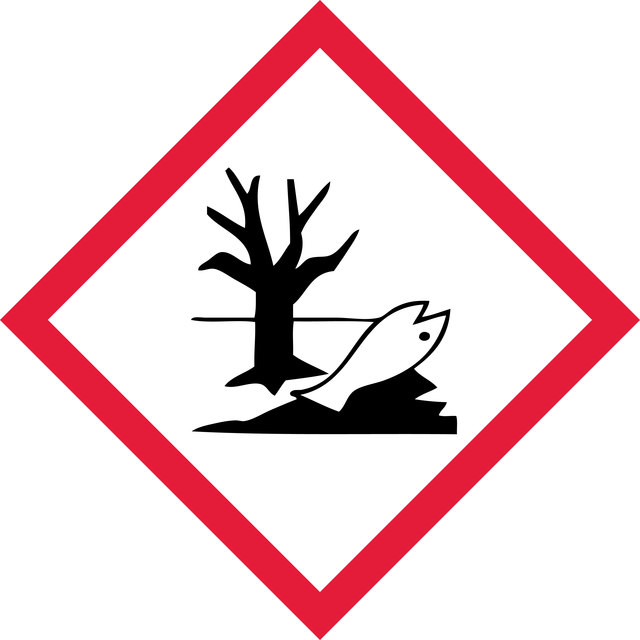
pictograms

Environment

signalword

Warning

hcodes

Hazard Classifications

Aquatic Acute 1 - Aquatic Chronic 1

Storage Class

13 - Non Combustible Solids

wgk

WGK 3

flash_point_f

Not applicable

flash_point_c

Not applicable

ppe

dust mask type N95 (US), Eyeshields, Gloves

Regulatory Information

新产品
This item has

Choose from one of the most recent versions:

Certificates of Analysis (COA)

Lot/Batch Number

Don't see the Right Version?

If you require a particular version, you can look up a specific certificate by the Lot or Batch number.

Already Own This Product?

Find documentation for the products that you have recently purchased in the Document Library.

Visit the Document Library

Karen Zwaenepoel et al.
Histopathology, 65(4), 539-548 (2014-03-14)
Testing for ALK rearrangements in advanced, non-squamous non-small-cell lung cancers that are wild-type for activating EGFR mutation has become standard care. Fluorescence in-situ hybridization is considered the gold standard for this evaluation. Pre-screening with immunohistochemistry has been suggested, to reduce
Susumu Hijioka et al.
Pancreas, 43(3), 367-372 (2014-03-14)
This study investigated whether a risk assessment nomogram can predict the malignant potential of intraductal papillary mucinous neoplasms (IPMNs) and provide valuable information for the follow-up and counseling strategies of such patients. We studied 126 of 589 patients with IPMN
Lorenzo Drago et al.
Clinical orthopaedics and related research, 472(11), 3311-3323 (2014-03-14)
Implant-related infections represent one of the most severe complications in orthopaedics. A fast-resorbable, antibacterial-loaded hydrogel may reduce or prevent bacterial colonization and biofilm formation of implanted biomaterials. We asked: (1) Is a fast-resorbable hydrogel able to deliver antibacterial compounds in
Jie Yu et al.
Chinese medical journal, 127(6), 1039-1045 (2014-03-14)
Many studies have shown that the serum uric acid (SUA) level is one of the cardiovascular risk factors. The aim of the study is to evaluate the relationship between SUA levels and the severity of coronary artery disease (CAD) assessed
J R Marcelin et al.
Transplant infectious disease : an official journal of the Transplantation Society, 16(2), 242-250 (2014-03-14)
Respiratory syncytial virus (RSV) infections may be fatal in immunocompromised patients. Aerosolized ribavirin is used for treatment, but it is very costly, teratogenic, and inconvenient. We aimed to assess the outcome of oral ribavirin treatment, with or without intravenous immunoglobulin

Articles

We offer many products related to chemokine receptors for your research needs.

Our team of scientists has experience in all areas of research including Life Science, Material Science, Chemical Synthesis, Chromatography, Analytical and many others.

Contact Technical Service