
C5038

Sodium octanoate
≥99% (capillary GC)
Synonym(s):
Caprylic acid sodium salt, Octanoic acid sodium salt, Sodium caprylate
Sign In to View Organizational & Contract Pricing.
Select a Size
Change View
About This Item
Linear Formula:
CH3(CH2)6COONa
CAS Number:
Molecular Weight:
166.19
UNSPSC Code:
12352107
NACRES:
NA.25
PubChem Substance ID:
EC Number:
217-850-5
Beilstein/REAXYS Number:
3597723
MDL number:
biological source
synthetic
Quality Level
description
anionic
assay
≥99% (capillary GC)
form
powder
mol wt
166.19 g/mol
mp
240.3 °C ((lit.))
solubility
water: 50 mg/mL
functional group
ester
shipped in
ambient
storage temp.
room temp
SMILES string
[Na+].CCCCCCCC([O-])=O
InChI
1S/C8H16O2.Na/c1-2-3-4-5-6-7-8(9)10;/h2-7H2,1H3,(H,9,10);/q;+1/p-1
InChI key
BYKRNSHANADUFY-UHFFFAOYSA-M
Application
Sodium octanoate may be used as a protein stabilizer for molecules such as albumin and fibrinogen under conditions such heat sterilization.
Still not finding the right product?
Explore all of our products under Sodium octanoate
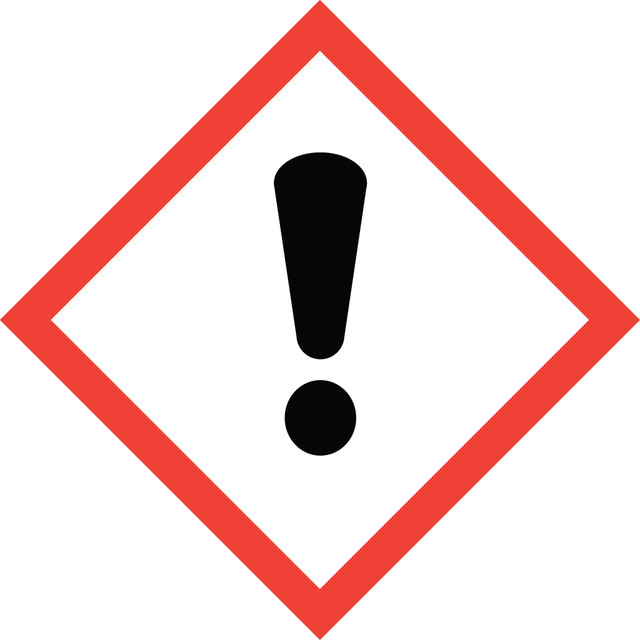
signalword
Warning
hcodes
Hazard Classifications
Eye Irrit. 2 - Skin Irrit. 2
Storage Class
11 - Combustible Solids
wgk
WGK 1
flash_point_f
Not applicable
flash_point_c
Not applicable
ppe
Eyeshields, Gloves, type N95 (US)
Choose from one of the most recent versions:
Already Own This Product?
Find documentation for the products that you have recently purchased in the Document Library.
Nina Dinjaski et al.
Biomaterials, 35(1), 14-24 (2013-10-08)
Biomaterial-associated infections represent a significant clinical problem, and treatment of these microbial infections is becoming troublesome due to the increasing number of antibiotic-resistant strains. Here, we report a naturally functionalized bacterial polyhydroxyalkanoate (PHACOS) with antibacterial properties. We demonstrate that PHACOS
Rosario Pignatello et al.
Materials (Basel, Switzerland), 12(6) (2019-03-17)
A biodegradable poly(3-R-hydroxyalkanoate) synthesized by Pseudomonas mediterranea was investigated as a biomaterial to obtain colloidal drug delivery systems. Using a nanoprecipitation method, nanoparticles with a mean size of 155 nm and a negative surface charge were formed. They can be
Makoto Anraku et al.
Biochimica et biophysica acta, 1702(1), 9-17 (2004-09-29)
The capability of octanoate, N-acetyl-L-tryptophanate (N-AcTrp) and other ions of fatty acids and amino acids to stabilize human serum albumin (HSA) against thermal and oxidative stress was studied. Native-PAGE showed that octanoate, and more hydrophobic fatty acids anions, stabilizes the
Global Trade Item Number
| SKU | GTIN |
|---|---|
| C5038-500G | 04061833501689 |
| C5038-10G | 04061833501665 |
| C5038-100G | 04061833501658 |
| C5038-1KG | 04061833501672 |