Skip to Content
Merck
CN

C0400

Carmustine

≥98% (TLC), oily liquid to amorphous solid, DNA alkylating agent

Synonym(s):

1,3-Bis(2-chloroethyl)-1-nitrosourea, BCNU

Sign In to View Organizational & Contract Pricing.

Select a Size


About This Item

Empirical Formula (Hill Notation):
C5H9Cl2N3O2
CAS Number:
Molecular Weight:
214.05
NACRES:
NA.77
PubChem Substance ID:
UNSPSC Code:
12352200
EC Number:
205-838-2
MDL number:
Technical Service
Need help? Our team of experienced scientists is here for you.
Let Us Assist
Technical Service
Need help? Our team of experienced scientists is here for you.
Let Us Assist

Product Name

Carmustine, ≥98%

InChI key

DLGOEMSEDOSKAD-UHFFFAOYSA-N

InChI

1S/C5H9Cl2N3O2/c6-1-3-8-5(11)10(9-12)4-2-7/h1-4H2,(H,8,11)

SMILES string

ClCCNC(=O)N(CCCl)N=O

assay

≥98%

form

(Oily liquid to amorphous solid)

mp

30 °C (lit.)

solubility

ethanol: 19.60-20.40 mg/mL, clear, pale yellow to yellow

originator

Bristol-Myers Squibb

storage temp.

−20°C

Quality Level

Gene Information

human ... GSR(2936)

Looking for similar products? Visit Product Comparison Guide

Application

Carmustine has been used to select transduced cells expressing MGMTP140K, a foamy virus vector. It has also been used in fluorescence-activated cell sorting (FACS) assay, to test the response of cell lines to carmustine.

Biochem/physiol Actions

Carmustine is a DNA alkylating agent causing DNA interstrand crosslinks. Effective against glioma and other solid tumors.

Features and Benefits

This compound is a featured product for Apoptosis research. Click here to discover more featured Apoptosis products. Learn more about bioactive small molecules for other areas of research at sigma.com/discover-bsm.
This compound was developed by Bristol-Myers Squibb. To browse the list of other pharma-developed compounds and Approved Drugs/Drug Candidates, click here.

General description

Carmustine is a mustard gas related β-chloro-nitrosourea compound, which is used in chemotherapy. It inhibits DNA replication and DNA transcription.

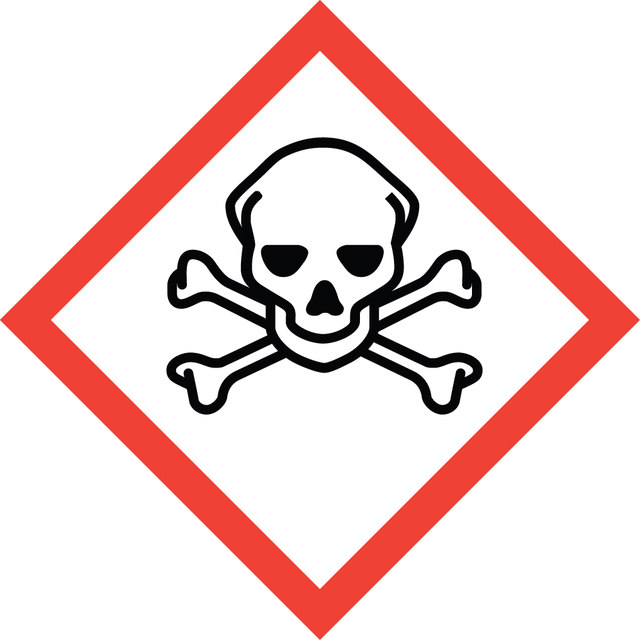
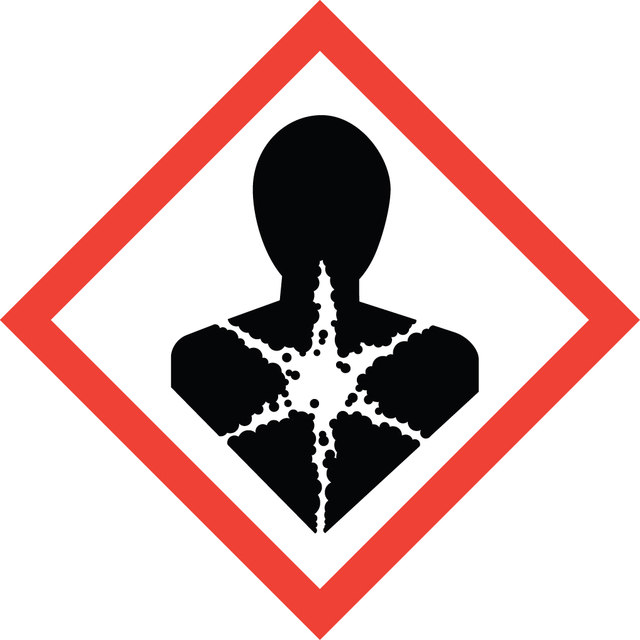
pictograms

Skull and crossbonesHealth hazard

signalword

Danger

Hazard Classifications

Acute Tox. 2 Oral - Carc. 1B - Repr. 1B

Storage Class

6.1A - Combustible acute toxic Cat. 1 and 2 / very toxic hazardous materials

wgk

WGK 3

flash_point_f

Not applicable

flash_point_c

Not applicable

ppe

Eyeshields, Faceshields, Gloves, type P3 (EN 143) respirator cartridges


Choose from one of the most recent versions:

Certificates of Analysis (COA)

Lot/Batch Number

Don't see the Right Version?

If you require a particular version, you can look up a specific certificate by the Lot or Batch number.

Already Own This Product?

Find documentation for the products that you have recently purchased in the Document Library.

Visit the Document Library

Foamy viral vector integration sites in SCID-repopulating cells after MGMTP140K-mediated in vivo selection
Olszko ME, et al
Gene Therapy, 22(7), 591-591 (2015)
Mapping the human kinome in response to DNA damage
Owusu M, et al.
Testing, 26(3), 555-563 (2019)
16th Int?l. Sympos. High Voltage Eng (2016)
Shuqiang Yuan et al.
Stem cells (Dayton, Ohio), 31(1), 23-34 (2012-11-08)
Development of effective therapeutic strategies to eliminate cancer stem cells, which play a major role in drug resistance and disease recurrence, is critical to improve cancer treatment outcomes. Our study showed that glioblastoma stem cells (GSCs) exhibited low mitochondrial respiration
Inês F Antunes et al.
Molecular pharmaceutics, 9(11), 3277-3285 (2012-09-27)
Extracellular β-glucuronidase (β-GUS) in tumors has been investigated as a target enzyme for prodrug therapy. However, despite encouraging preclinical results, animal studies also indicate that the success of prodrug therapy might be limited by the insufficient prodrug-converting enzyme activity, especially

Articles

DNA damage and repair mechanism is vital for maintaining DNA integrity. Damage to cellular DNA is involved in mutagenesis, the development of cancer among others.

Cell cycle phases (G1, S, G2, M) regulate cell growth, DNA replication, and division in proliferating cells.

Apoptosis regulation involves multiple pathways and molecules for cellular homeostasis.

DNA损伤和修复机制对于维持DNA完整性至关重要。细胞DNA的损伤与突变、癌症发展等有关。

Related Content

Our team of scientists has experience in all areas of research including Life Science, Material Science, Chemical Synthesis, Chromatography, Analytical and many others.

Contact Technical Service