Skip to Content
Merck
CN

B8879

Benzethonium chloride

≥97% (titration), ≥98% (HPLC)

Synonym(s):

(Diisobutylphenoxyethoxyethyl)dimethylbenzylammonium chloride, Phemerol chloride

Sign In to View Organizational & Contract Pricing.

Select a Size


About This Item

Empirical Formula (Hill Notation):
C27H42ClNO2
CAS Number:
Molecular Weight:
448.08
UNSPSC Code:
12161900
NACRES:
NA.25
PubChem Substance ID:
EC Number:
204-479-9
Beilstein/REAXYS Number:
3898548
MDL number:
Technical Service
Need help? Our team of experienced scientists is here for you.
Let Us Assist
Technical Service
Need help? Our team of experienced scientists is here for you.
Let Us Assist

InChI

1S/C27H42NO2.ClH/c1-26(2,3)22-27(4,5)24-13-15-25(16-14-24)30-20-19-29-18-17-28(6,7)21-23-11-9-8-10-12-23;/h8-16H,17-22H2,1-7H3;1H/q+1;/p-1

InChI key

UREZNYTWGJKWBI-UHFFFAOYSA-M

SMILES string

[Cl-].CC(C)(C)CC(C)(C)c1ccc(OCCOCC[N+](C)(C)Cc2ccccc2)cc1

description

cationic

assay

≥97% (titration), ≥98% (HPLC)

form

powder

mol wt

448.08 g/mol

mp

162-164 °C (lit.)

solubility

H2O: 100 mg/mL, clear, colorless

application(s)

microbiology (topical antiseptic)

Quality Level

Looking for similar products? Visit Product Comparison Guide

General description

The benzethonium chloride is a well characterized skin irritant and rare sensitizer.

Application

Benzethonium chloride has been used in a study to assess the minimum inhibitory concentrations of meticillin-resistant Staphylococcus aureus (MRSA) isolates from Malaysia. It has also been used in a study to prepare biocomposite films from sodium alginate and modified clay.

Disclaimer

The product is not intended for use as a biocide under global biocide regulations, including but not limited to US EPA′s Federal Insecticide Fungicide and Rodenticide Act, European Biocidal Products Regulation, Canada’s Pest Management Regulatory Agency, Turkey’s Biocidal Products Regulation, Korea’s Consumer Chemical Products and Biocide Safety Management Act (K-BPR) and others.

signalword

Danger

Hazard Classifications

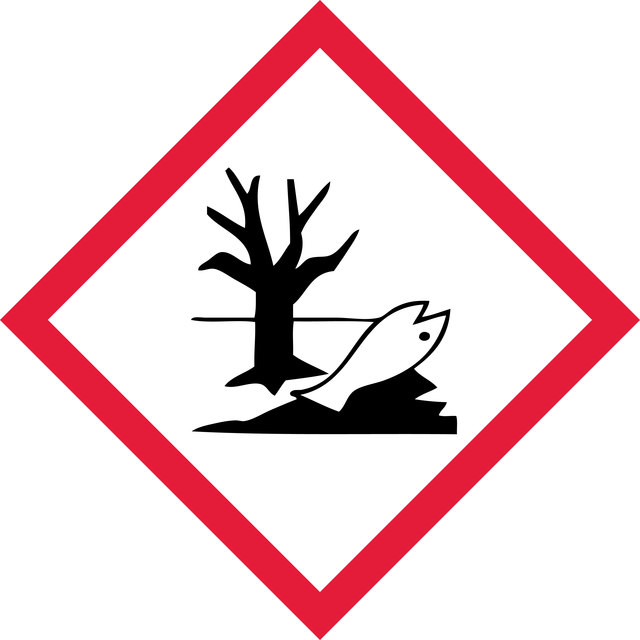
Acute Tox. 3 Oral - Aquatic Acute 1 - Aquatic Chronic 1 - Eye Dam. 1 - Skin Corr. 1B

Storage Class

6.1A - Combustible acute toxic Cat. 1 and 2 / very toxic hazardous materials

wgk

WGK 2

ppe

Eyeshields, Faceshields, Gloves, type P3 (EN 143) respirator cartridges


Choose from one of the most recent versions:

Certificates of Analysis (COA)

Lot/Batch Number

Don't see the Right Version?

If you require a particular version, you can look up a specific certificate by the Lot or Batch number.

Already Own This Product?

Find documentation for the products that you have recently purchased in the Document Library.

Visit the Document Library

M N Shamsudin et al.
The Journal of hospital infection, 81(3), 206-208 (2012-05-29)
The minimum inhibitory concentrations (MICs) of 60 meticillin-resistant Staphylococcus aureus (MRSA) isolates from Malaysia to three antiseptic agents - benzalkonium chloride (BZT), benzethonium chloride (BAC) and chlorhexidine digluconate (CHG) - were determined. All isolates had MICs ranging from 0.5 to
T Ichikawa et al.
Journal of dentistry, 36(11), 965-968 (2008-09-10)
The purpose of this study was to evaluate if the sugar alcohols erythritol, xylitol and sorbitol enhance the fungicidal effect of benzethonium chloride (BTC) toward in vitro candidal biofilms. An in vitroCandida albicans biofilm was formed on a plastic coverslip
Naoto Kojima et al.
Bioorganic & medicinal chemistry, 18(24), 8630-8641 (2010-11-16)
The convergent synthesis of fluorescence-labeled solamin, an antitumor Annonaceous acetogenin, was accomplished by two asymmetric alkynylations of 2,5-diformyl tetrahydrofuran with an alkyne tagged with fluorescent groups and another alkyne with an α,β-unsaturated γ-lactone. Assay for the growth inhibitory activity against
Paul Abu-Rabie et al.
Analytical chemistry, 81(24), 10275-10284 (2009-11-19)
The CAMAG thin-layer chromatography mass spectrometer (TLC-MS) interface has been assessed as a tool for the direct quantitative bioanalysis of drugs from dried blood spot (DBS) samples, using an MS detector, with or without high-performance liquid chromatography (HPLC) separation. The
Harry Dao et al.
Dermatitis : contact, atopic, occupational, drug, 23(4), 162-166 (2012-07-26)
Benzalkonium chloride (BAK) and benzethonium chloride (BEC) are well-characterized skin irritants and rare sensitizers, but optimal testing for allergic contact dermatitis (ACD) is not established. Sensitization prevalence was sought, and several patch testing concentrations and vehicles were compared. One hundred

Our team of scientists has experience in all areas of research including Life Science, Material Science, Chemical Synthesis, Chromatography, Analytical and many others.

Contact Technical Service