
A9655

Auramine O
Dye content, ≥80%, certified by the Biological Stain Commission, powder
Synonym(s):
4,4′-(Imidocarbonyl)bis(N,N-dimethylaniline) monohydrochloride, Basic Yellow 2, Pyoctaninum aureum
Select a Size
About This Item
Product Name
Auramine O, Dye content ≥80 %, certified by the BSC
InChI key
KSCQDDRPFHTIRL-UHFFFAOYSA-N
InChI
1S/C17H21N3.ClH/c1-19(2)15-9-5-13(6-10-15)17(18)14-7-11-16(12-8-14)20(3)4;/h5-12,18H,1-4H3;1H
SMILES string
Cl[H].CN(C)c1ccc(cc1)C(=N)c2ccc(cc2)N(C)C
agency
certified by the BSC
form
powder
composition
Dye content, ≥80%
technique(s)
microbe id | staining: suitable
color
yellow to green
mp
>250 °C (dec.) (lit.)
solubility
ethanol: 1 mg/mL, yellow to orange
λmax
370 nm in H2O, 432 nm in H2O
application(s)
diagnostic assay manufacturing
hematology
histology
storage temp.
room temp
Quality Level
Looking for similar products? Visit Product Comparison Guide
General description
Auramine O is used for the staining of acid-fast organisms like coccidia. Along with carbol, it generates brilliant yellow fluorochrome of tubercle bacilli. It is effective in detecting positive cases of tuberculosis. Auramine O binds to the mycolic acid in the bacterial cell wall.
Application
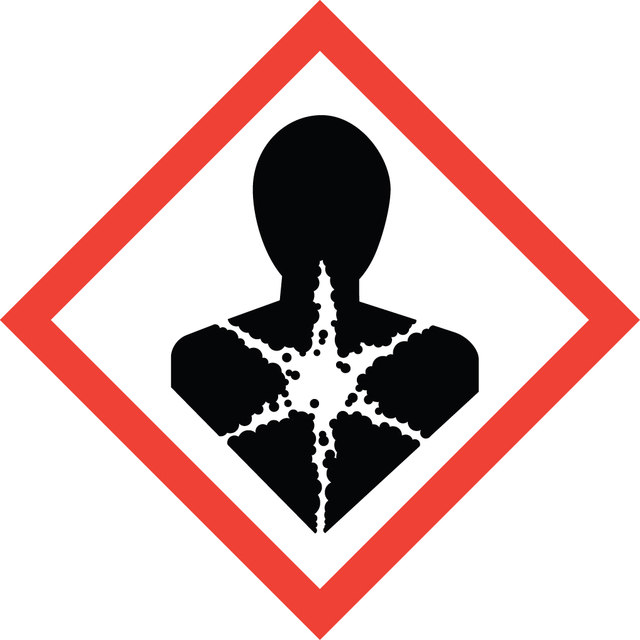

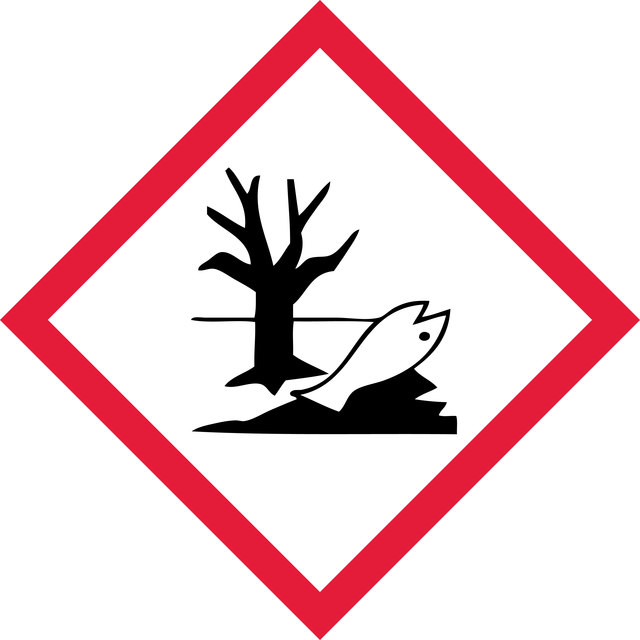
signalword
Warning
hcodes
Hazard Classifications
Acute Tox. 4 Oral - Aquatic Chronic 2 - Carc. 2 - Eye Irrit. 2
Storage Class
6.1C - Combustible acute toxic Cat.3 / toxic compounds or compounds which causing chronic effects
wgk
WGK 3
Choose from one of the most recent versions:
Already Own This Product?
Find documentation for the products that you have recently purchased in the Document Library.
Related Content
Product Information Sheet
Our team of scientists has experience in all areas of research including Life Science, Material Science, Chemical Synthesis, Chromatography, Analytical and many others.
Contact Technical Service