
A7289

Anti-Guinea Pig IgG (whole molecule)−Peroxidase antibody produced in goat
affinity isolated antibody, buffered aqueous solution
Sign In to View Organizational & Contract Pricing.
Select a Size
Change View
About This Item
Conjugate:
peroxidase conjugate
Clone:
polyclonal
Application:
ELISA (d)
Citations:
35
biological source
goat
Quality Level
conjugate
peroxidase conjugate
antibody form
affinity isolated antibody
antibody product type
secondary antibodies
clone
polyclonal
form
buffered aqueous solution
technique(s)
direct ELISA: 1:10,000
shipped in
dry ice
storage temp.
−20°C
target post-translational modification
unmodified
General description
IgG consists of four sub-classes, like IgG1, IgG2, IgG3, and IgG4. IgG is composed of four polypeptide chains-two heavy chains (γ chains) and two light chains (κ or λ chains) which are linked by inter-chain disulfide bonds. The heavy chains consist of a N-terminal variable domain (VH) and three constant domains (CH1, CH2, CH3). A hinge region exists between the CH1 and CH2 region. The light chains have one N-terminal variable domain (VL) and one constant domain (CL).
Immunogen
Purified guinea pig IgG
Application
Anti-H. pylori IgGs in guinea pig sera was measured by ELISA using HRP-conjugated goat anti-guinea pig IgG (A 7289) at a dilution of 1:2000 in 1% BSA/PBS for 1 hour at 37°C.
Anti-Guinea Pig IgG (whole molecule)-Peroxidase antibody is suitable for use in immunocytochemistry and ELISA.
Biochem/physiol Actions
Guinea pig IgGs against target proteins are often used as primary antibodies in various research applications. Thus, secondary anti-guinea pig IgGs conjugated to detectable substrates are useful tools for the analysis of target proteins. Anti-Guinea Pig IgG (whole molecule)-Peroxidase antibody is specific for guinea pig IgG.
IgGs are glycoprotein antibodies that modulate several immune responses. It plays a major role in providing immunity to the infant from the mother via the placenta. IgG activates the complement system and regulates the antibody-dependent cell-mediated cytotoxicity (ADCC).
Physical form
Solution in 0.01 M phosphate buffered saline, pH 7.4, containing 1% bovine serum albumin with preservative.
Preparation Note
Antiserum is developed in goat using purified guinea pig IgG as the immunogen. Antibody is isolated from goat anti-guinea pig IgG antiserum by immunospecific purification which removes essentially all goat serum proteins, including immunoglobulins that do not specifically bind to guinea pig IgG. Goat anti-guinea pig IgG is conjugated to Sigma Horseradish Peroxidase, Type VI (Product No. P 8375) by a modification of the periodate method of Wilson and Nakane.
Disclaimer
Unless otherwise stated in our catalog or other company documentation accompanying the product(s), our products are intended for research use only and are not to be used for any other purpose, which includes but is not limited to, unauthorized commercial uses, in vitro diagnostic uses, ex vivo or in vivo therapeutic uses or any type of consumption or application to humans or animals.
Still not finding the right product?
Try our Product Selector Tool to narrow your options

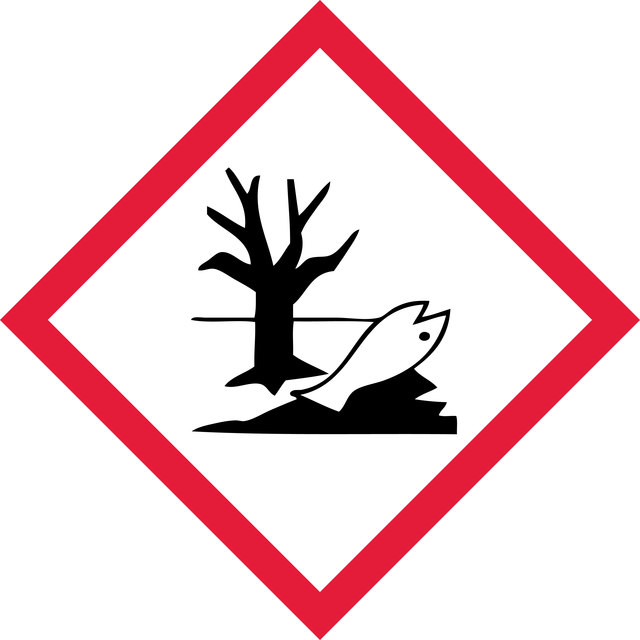
signalword
Warning
hcodes
Hazard Classifications
Aquatic Chronic 2 - Eye Irrit. 2 - Skin Irrit. 2 - Skin Sens. 1
Storage Class
12 - Non Combustible Liquids
wgk
WGK 3
Regulatory Information
含少量动物源组分生物产品
低风险生物材料
常规特殊物品
This item has
Choose from one of the most recent versions:
Already Own This Product?
Find documentation for the products that you have recently purchased in the Document Library.
Related Content
X X Zhu et al.
Experimental & applied acarology, 13(2), 153-159 (1991-12-11)
Immunocytochemical staining based on the peroxidase-antiperoxidase method has shown that some neurosecretory cells (NSC) in the synganglion of the adult female tick Ornithodoros parkeri react with an antibody to bovine insulin. There are 18 regions of paraldehyde fuchsin-positive NSC of
IgG placental transfer in healthy and pathological pregnancies
Palmeira P, et al.
Clinical & Developmental Immunology, 2012 (2011)
Experimental Helicobacter pylori Infection Induces Antral Gastritis and Gastric Mucosa-Associated Lymphoid Tissue in Guinea Pigs.
Shomer, N.
Infection and Immunity, 66, 2647-2618 (1998)
Global Trade Item Number
| SKU | GTIN |
|---|---|
| A7289-1ML | 04061837514487 |
| A7289-.25ML | 04061835805617 |
| A7289-.5ML | 04061835805624 |