Skip to Content
Merck
CN

A4626

1-Acetyl-2-phenylhydrazine

≥98%

Synonym(s):

N-Acetyl-N′-phenylhydrazine, acetylphenylhydrazine

Sign In to View Organizational & Contract Pricing.

Select a Size


About This Item

Linear Formula:
CH3CONHNHC6H5
CAS Number:
Molecular Weight:
150.18
NACRES:
NA.25
PubChem Substance ID:
UNSPSC Code:
12352127
EC Number:
204-055-3
MDL number:
Technical Service
Need help? Our team of experienced scientists is here for you.
Let Us Assist
Technical Service
Need help? Our team of experienced scientists is here for you.
Let Us Assist

InChI

1S/C8H10N2O/c1-7(11)9-10-8-5-3-2-4-6-8/h2-6,10H,1H3,(H,9,11)

InChI key

UICBCXONCUFSOI-UHFFFAOYSA-N

SMILES string

CC(=O)NNc1ccccc1

assay

≥98%

form

(Powder with Chunk(s) or Crystals with Chunk(s))

mp

128-131 °C (lit.)

Quality Level

Application

1-Acetyl-2-phenylhydrazine (AcPhHZ) which reacts with oxyhaemoglobin to form free radicals may be used to induce haemolytic anaemia for studies of the hematopoietic system.

Biochem/physiol Actions

1-Acetyl-2-phenylhydrazine (AcPhHZ) is a vascular tumor initiator used in experimental animal model.

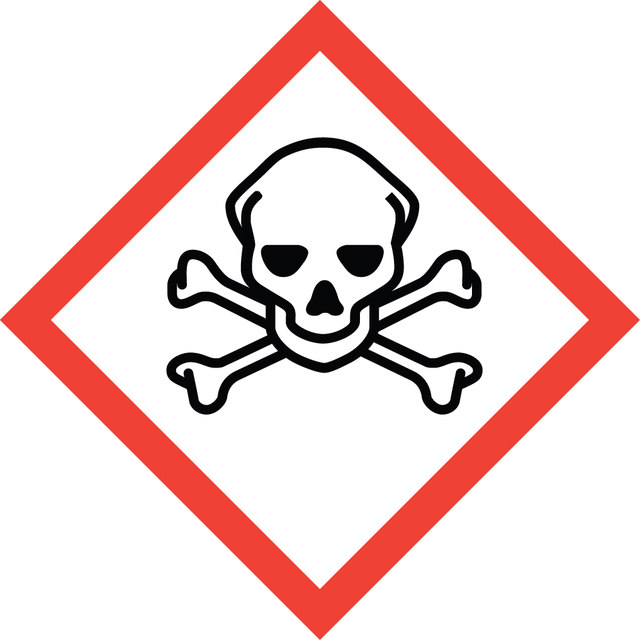
pictograms

Skull and crossbones

signalword

Danger

hcodes

Hazard Classifications

Acute Tox. 3 Oral

Storage Class

6.1C - Combustible acute toxic Cat.3 / toxic compounds or compounds which causing chronic effects

wgk

WGK 3

ppe

dust mask type N95 (US), Eyeshields, Faceshields, Gloves


Choose from one of the most recent versions:

Certificates of Analysis (COA)

Lot/Batch Number

Don't see the Right Version?

If you require a particular version, you can look up a specific certificate by the Lot or Batch number.

Already Own This Product?

Find documentation for the products that you have recently purchased in the Document Library.

Visit the Document Library

Satoko Kakiuchi et al.
The Journal of toxicological sciences, 31(2), 111-122 (2006-06-15)
We performed a flow cytometric (FCM) analysis of the maturity of reticulocytes using peripheral blood obtained from rats administered 5-fluorouracil (5-FU) at 10, 50 and 100 mg/kg or acethylphenyl hydrazine (APHZ) at 1 and 3 mg/kg to clarify whether the
M Mandreoli et al.
American journal of nephrology, 10(1), 58-60 (1990-01-01)
We have assessed the peripheral distribution of T cells, using the monoclonal antibodies OKT3, OKT4, OKT8 and LEU7 and the proliferative response to phytohaemagglutinin (PHA), in 10 renal transplant recipients. In each patient, the immunological pattern was evaluated twice, both
T Umenai et al.
The Tohoku journal of experimental medicine, 186(3), 181-191 (1999-05-29)
An increase in the number of erythroblasts can be seen to some extent in the bone marrow of rats in the early stage of experimentally induced hemolytic anemia prior to any elevation in the plasma erythropoietin (Epo) level. This observation
Y Manabe et al.
The Journal of toxicological sciences, 25(3), 161-165 (2000-09-15)
In this study, a new simple method to measure erythrocyte fragility with stirring of diluted blood (stirring method) was introduced and evaluated with anemic rats given beta-acetylphenylhydrazine (APHZ) or clofibrate. APHZ at a dose of 40 mg/kg caused significant decreases
H Ohno et al.
Fundamental and applied toxicology : official journal of the Society of Toxicology, 32(2), 269-277 (1996-08-01)
A previous study revealed that DQ-2511, a new gastroprokinetic drug, induced hemolytic anemia together with increased Heinz body formation, preceded by a marked decrease in erythrocyte reduced glutathione (GSH) content, after 2 weeks of dosing onward in dogs. In this

Articles

Cancer research has revealed that the classical model of carcinogenesis, a three step process consisting of initiation, promotion, and progression, is not complete.

Our team of scientists has experience in all areas of research including Life Science, Material Science, Chemical Synthesis, Chromatography, Analytical and many others.

Contact Technical Service