
91963

Cytotoxicity detection kit
100 tests
Sign In to View Organizational & Contract Pricing.
Select a Size
Change View
About This Item
NACRES:
NB.61
UNSPSC Code:
41116133
General description
Cytotoxicity LDH Assay Kit-WST is a kit for determination of cytotoxicity by measuring a lactate dehydrogenase (LDH) activity released from damaged cells. LDH is a stable cytoplasmic enzyme present in all types of cells and released into the cell culture medium through damaged plasma membrane. Since Cytotoxicity LDH Assay kit-WST neither reflects the activity of living cells nor is harmful to cells, cytotoxicity can be measured with living cells (homogeneous assay). In addition, it is possible to perform a non-homogeneous assay by using the cell culture supernatant.
After preparation the Working Solution is stable under refrigerated conditions and can readily be used for up to six months.
After preparation the Working Solution is stable under refrigerated conditions and can readily be used for up to six months.
Features and Benefits
- Colorimetric assay system
- Utilize for both homo- and non-homogeneous assays
- Can be used with and without transferring supernatant
- Stable Working Solution (6 months at 0°C)

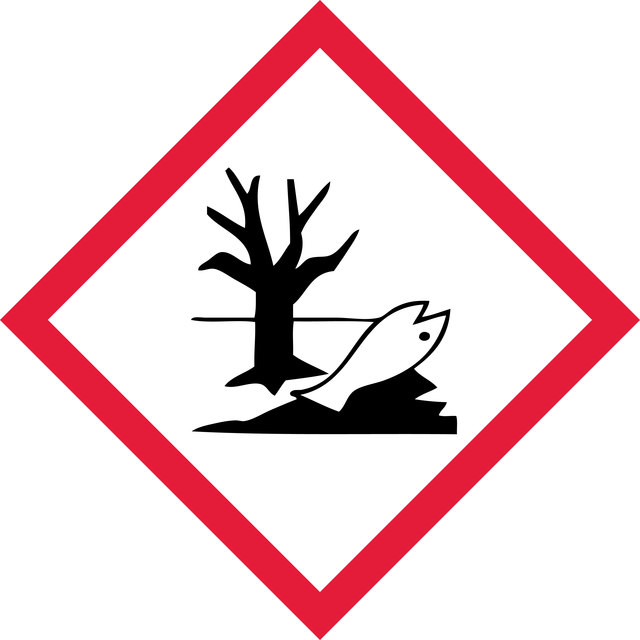
signalword
Danger
hcodes
Hazard Classifications
Aquatic Acute 1 - Aquatic Chronic 2 - Eye Dam. 1 - Skin Irrit. 2
Storage Class
10 - Combustible liquids
Regulatory Information
新产品
This item has
Choose from one of the most recent versions:
Already Own This Product?
Find documentation for the products that you have recently purchased in the Document Library.
Related Content
Zhenling Ma et al.
Bioscience reports, 41(1) (2021-01-05)
The excessive and inappropriate production of reactive oxygen species (ROS) can cause oxidative stress and is implicated in the pathogenesis of lung cancer. Cyclophilin A (CypA), a member of the immunophilin family, is secreted in response to ROS. To determine
Global Trade Item Number
| SKU | GTIN |
|---|---|
| 91963-1KT | 04061835535729 |