
61148

Copper(II) acetate monohydrate

puriss. p.a., ≥99.0% (RT)
Synonym(s):
Cupric acetate monohydrate
Select a Size
About This Item
vapor density
6.8 (vs air)
Quality Level
grade
puriss. p.a.
assay
≥99.0% (RT)
form
powder or crystals
greener alternative product characteristics
Catalysis
Learn more about the Principles of Green Chemistry.
sustainability
Greener Alternative Product
impurities
≤0.01% total nitrogen (N)
pH
5.2-5.5 (20 °C, 20 g/L)
anion traces
chloride (Cl-): ≤10 mg/kg, sulfate (SO42-): ≤500 mg/kg
cation traces
Ca: ≤20 mg/kg, Cd: ≤5 mg/kg, Co: ≤5 mg/kg, Cr: ≤5 mg/kg, Fe: ≤50 mg/kg, K: ≤50 mg/kg, Mg: ≤5 mg/kg, Mn: ≤5 mg/kg, Na: ≤50 mg/kg, Ni: ≤5 mg/kg, Pb: ≤20 mg/kg, Zn: ≤50 mg/kg
greener alternative category
SMILES string
O.CC(=O)O[Cu]OC(C)=O
InChI
1S/2C2H4O2.Cu.H2O/c2*1-2(3)4;;/h2*1H3,(H,3,4);;1H2/q;;+2;/p-2
InChI key
NWFNSTOSIVLCJA-UHFFFAOYSA-L
General description
Application
- Impact of temperature on the physicochemical, structural and biological features of copper-silica nanocomposites.: This study investigates how temperature variations affect the properties of copper-silica nanocomposites. The research focuses on the physicochemical and structural changes that occur and their subsequent impact on biological applications. The findings provide valuable insights for the development of advanced materials with tailored properties for specific applications (Dulski et al., 2020).
Still not finding the right product?
Explore all of our products under Copper(II) acetate monohydrate
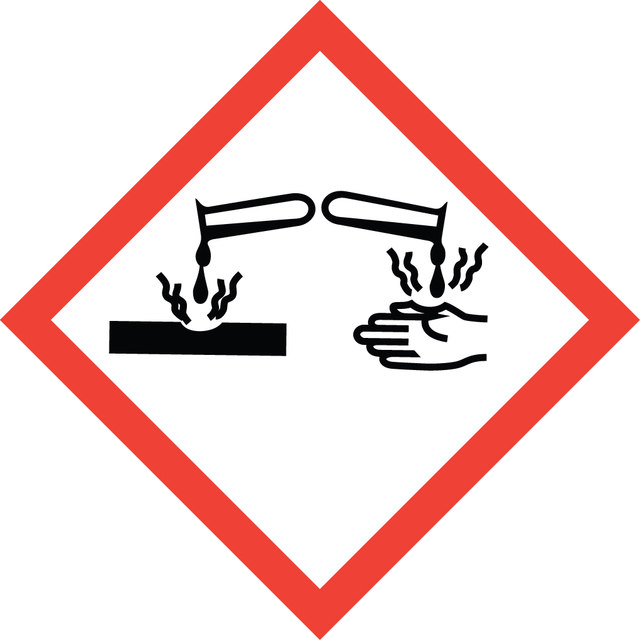

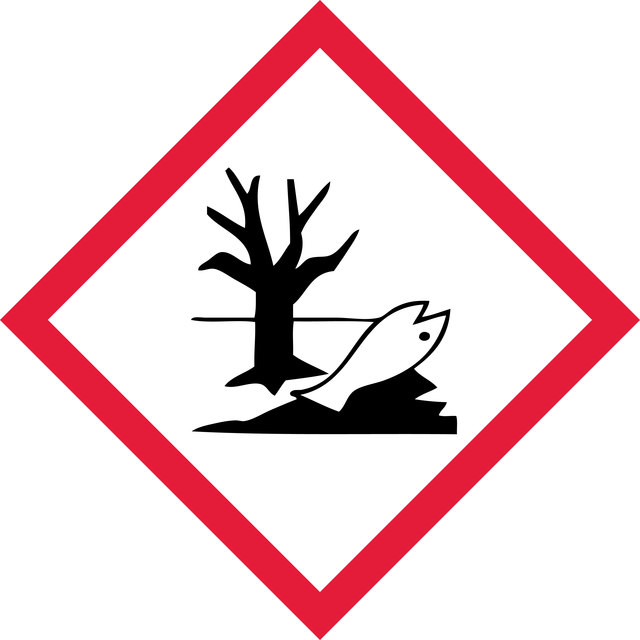
signalword
Danger
hcodes
Hazard Classifications
Acute Tox. 4 Oral - Aquatic Acute 1 - Aquatic Chronic 2 - Eye Dam. 1 - Skin Corr. 1B
Storage Class
8A - Combustible corrosive hazardous materials
wgk
WGK 3
flash_point_f
does not flash
flash_point_c
does not flash
Choose from one of the most recent versions:
Already Own This Product?
Find documentation for the products that you have recently purchased in the Document Library.
Global Trade Item Number
| SKU | GTIN |
|---|---|
| 61148-100G | 04061832690971 |