
310433

Copper(II) oxide
needles, mixture of CuO and Cu2O, ACS reagent
Synonym(s):
Cupric oxide
Sign In to View Organizational & Contract Pricing.
Select a Size
Change View
About This Item
Linear Formula:
CuO
CAS Number:
Molecular Weight:
79.55
NACRES:
NB.24
PubChem Substance ID:
UNSPSC Code:
12352303
EC Number:
215-269-1
MDL number:
Grade:
ACS reagent
Form:
needles
grade
ACS reagent
Quality Segment
form
needles
reaction suitability
reagent type: catalyst
core: copper
impurities
≤0.002% C compounds, ≤0.002% N compounds
anion traces
sulfate (SO42-): ≤0.012%
cation traces
C: ≤0.002%, N: ≤0.002%
SMILES string
[Cu]=O
InChI
1S/Cu.O
InChI key
QPLDLSVMHZLSFG-UHFFFAOYSA-N
Application
- Effects of Copper(II) Oxide on the Co-Pyrolysis of Waste Polyester Enameled Wires and Poly(vinyl chloride).: This research demonstrates the role of Copper(II) oxide in enhancing the co-pyrolysis process of waste materials, contributing to environmental sustainability and waste management solutions in analytical chemistry (Zhu G et al., 2023).
- Adsorption isotherms and kinetics for Pb(ii) ion removal from aqueous solutions with biogenic metal oxide nanoparticles.: The study explores the efficiency of Copper(II) oxide nanoparticles in removing lead ions from water, highlighting its potential for pollution control and water treatment technologies (Sadyrbekov DT et al., 2023).
- Preparation of surface-modified electrode of copper(ii) oxide mixed with the molecularly imprinted polymer for enhancement of melamine detection with photoelectrochemical technique.: This article describes the use of Copper(II) oxide in developing advanced sensors for detecting contaminants like melamine, demonstrating its application in food safety and public health (Thiwawong T et al., 2023).
- Synthesis and characterization of copper oxide nanoparticles: its influence on corn (Z. mays) and wheat (Triticum aestivum) plants by inoculation of Bacillus subtilis.: This research investigates the impact of Copper(II) oxide nanoparticles on plant growth, providing insights into agricultural applications and plant biology (Sharma R et al., 2023).
Still not finding the right product?
Explore all of our products under Copper(II) oxide
signalword
Warning
hcodes
pcodes
Hazard Classifications
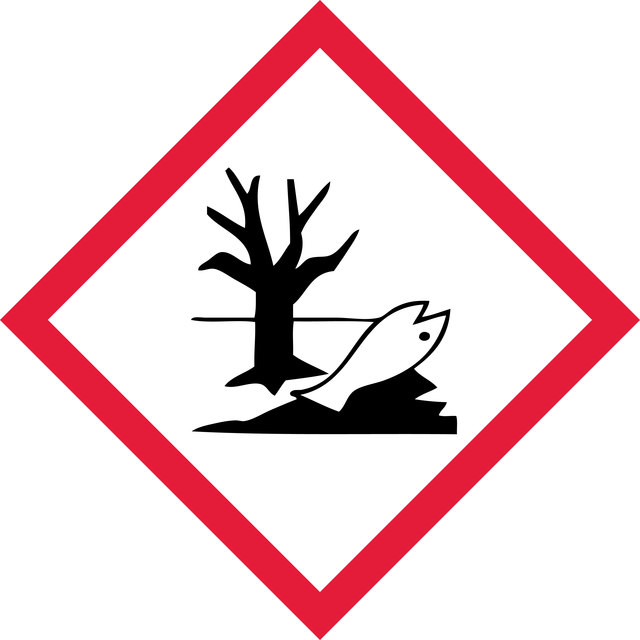
Aquatic Acute 1 - Aquatic Chronic 1
Storage Class
13 - Non Combustible Solids
wgk
WGK 3
flash_point_f
Not applicable
flash_point_c
Not applicable
Choose from one of the most recent versions:
Already Own This Product?
Find documentation for the products that you have recently purchased in the Document Library.