
30107

Hydrofluoric acid
puriss. p.a., ACS reagent, reag. ISO, reag. Ph. Eur., ≥48%
Synonym(s):
HF
Select a Size
About This Item
InChI
1S/FH/h1H
SMILES string
[H+].[F-]
grade
ACS reagent, puriss. p.a.
agency
reag. ISO, reag. Ph. Eur.
Quality Level
InChI key
KRHYYFGTRYWZRS-UHFFFAOYSA-N
vapor density
1.27 (vs air)
vapor pressure
25 mmHg ( 20 °C)
assay
≥48%
form
liquid
impurities
≤0.005% hexafluorosilic acid (H2SiF6)
ign. residue
≤0.0005% (as SO4)
density
1.15 g/mL at 25 °C (lit.)
anion traces
chloride (Cl-): ≤1 mg/kg, phosphate (PO43-): ≤0.5 mg/kg, sulfate (SO42-): ≤2 mg/kg, sulfite (SO32-): ≤2 mg/kg
cation traces
Ag: ≤0.02 mg/kg, Al: ≤0.05 mg/kg, As: ≤0.05 mg/kg, Ba: ≤0.1 mg/kg, Be: ≤0.02 mg/kg, Bi: ≤0.1 mg/kg, Ca: ≤0.5 mg/kg, Cd: ≤0.01 mg/kg, Co: ≤0.02 mg/kg, Cr: ≤0.02 mg/kg, Cu: ≤0.02 mg/kg, Fe: ≤0.2 mg/kg, Ge: ≤0.05 mg/kg, K: ≤0.1 mg/kg, Li: ≤0.02 mg/kg, Mg: ≤0.2 mg/kg, Mn: ≤0.05 mg/kg, Mo: ≤0.05 mg/kg, Na: ≤0.2 mg/kg, Ni: ≤0.02 mg/kg, Pb: ≤0.05 mg/kg, Sr: ≤0.02 mg/kg, Ti: ≤0.1 mg/kg, Tl: ≤0.05 mg/kg, V: ≤0.05 mg/kg, Zn: ≤0.05 mg/kg, Zr: ≤0.1 mg/kg
Looking for similar products? Visit Product Comparison Guide
Related Categories
General description
Application
- Speciation of tin ions in oxide glass containing iron oxide through solvent extraction and inductively coupled plasma atomic emission spectrometry after the decomposition utilizing ascorbic acid.: This study explores the speciation of tin ions in iron oxide-containing glass, utilizing ascorbic acid for decomposition followed by solvent extraction and analysis via inductively coupled plasma atomic emission spectrometry, highlighting a novel analytical chemistry application of hydrofluoric acid (Saijo Y et al., 2022).
- Physicochemical and morphological characterization of a glass ceramic treated with different ceramic primers and post-silanization protocols.: This paper discusses the effects of various ceramic primers and silanization protocols on the physicochemical properties and morphology of glass ceramics, contributing to analytical chemistry by elucidating the interactions and stability of treated surfaces (Moreno MBP et al., 2019).
- Effect of Surface Cleaning Regimen on Glass Ceramic Bond Strength.: Investigates the impact of different surface cleaning regimens, including the use of hydrofluoric acid, on the bond strength of glass ceramics, providing insights into optimal surface treatment methods in material science and analytical chemistry (Lapinska B et al., 2019).
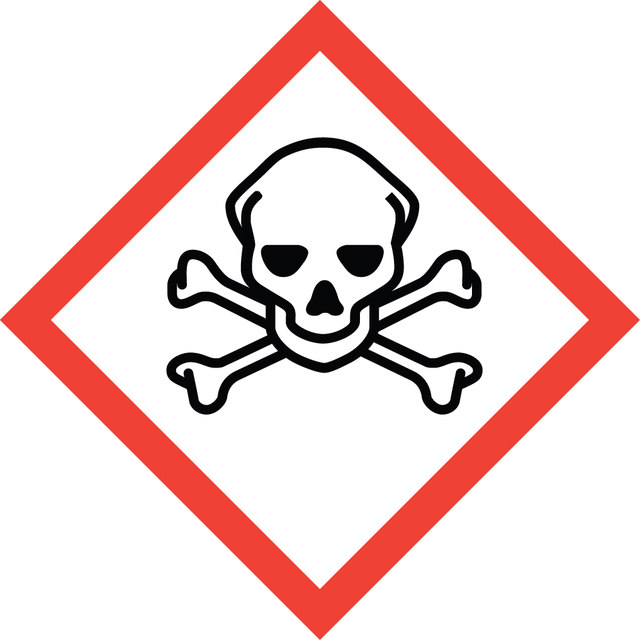
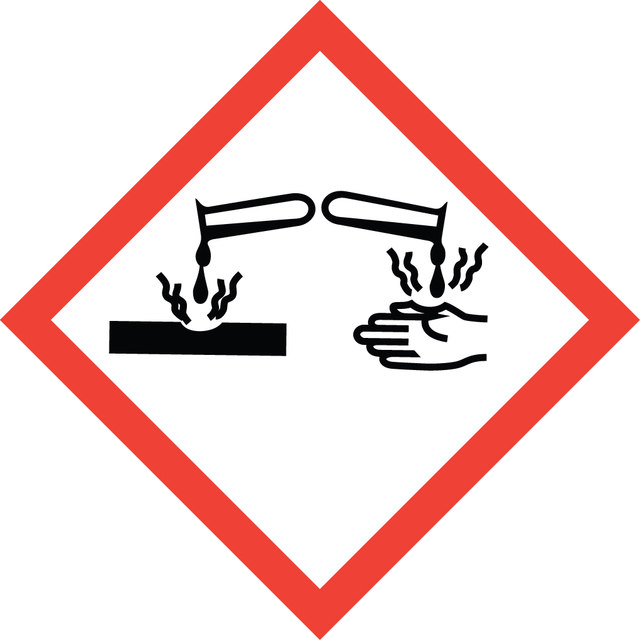
signalword
Danger
hcodes
Hazard Classifications
Acute Tox. 1 Dermal - Acute Tox. 2 Inhalation - Acute Tox. 2 Oral - Eye Dam. 1 - Skin Corr. 1A
Storage Class
6.1A - Combustible acute toxic Cat. 1 and 2 / very toxic hazardous materials
flash_point_f
Not applicable
flash_point_c
Not applicable
Regulatory Information
Choose from one of the most recent versions:
Already Own This Product?
Find documentation for the products that you have recently purchased in the Document Library.
Our team of scientists has experience in all areas of research including Life Science, Material Science, Chemical Synthesis, Chromatography, Analytical and many others.
Contact Technical Service