
Sign In to View Organizational & Contract Pricing.
Select a Size
Change View
About This Item
Empirical Formula (Hill Notation):
C18H18O2
CAS Number:
Molecular Weight:
266.33
NACRES:
NA.24
PubChem Substance ID:
UNSPSC Code:
41116107
MDL number:
grade
pharmaceutical primary standard
API family
honokiol
manufacturer/tradename
EDQM
application(s)
pharmaceutical (small molecule)
format
neat
storage temp.
−20°C
SMILES string
Oc1ccc(cc1CC=C)-c2cc(CC=C)ccc2O
InChI
1S/C18H18O2/c1-3-5-13-7-9-18(20)16(11-13)14-8-10-17(19)15(12-14)6-4-2/h3-4,7-12,19-20H,1-2,5-6H2
InChI key
FVYXIJYOAGAUQK-UHFFFAOYSA-N
General description
This product is provided as delivered and specified by the issuing Pharmacopoeia. All information provided in support of this product, including SDS and any product information leaflets have been developed and issued under the Authority of the issuing Pharmacopoeia.For further information and support please go to the website of the issuing Pharmacopoeia.
Application
Honokiol EP Reference standard, intended for use in laboratory tests only as specifically prescribed in the European Pharmacopoeia.
Biochem/physiol Actions
Honokiol is a natural biphenyl neolignan from magnolia extract. It is antiangiogenic, antitumor, and anxiolytic.
Packaging
The product is delivered as supplied by the issuing Pharmacopoeia. For the current unit quantity, please visit the EDQM reference substance catalogue.
Other Notes
Sales restrictions may apply.
Still not finding the right product?
Explore all of our products under Honokiol

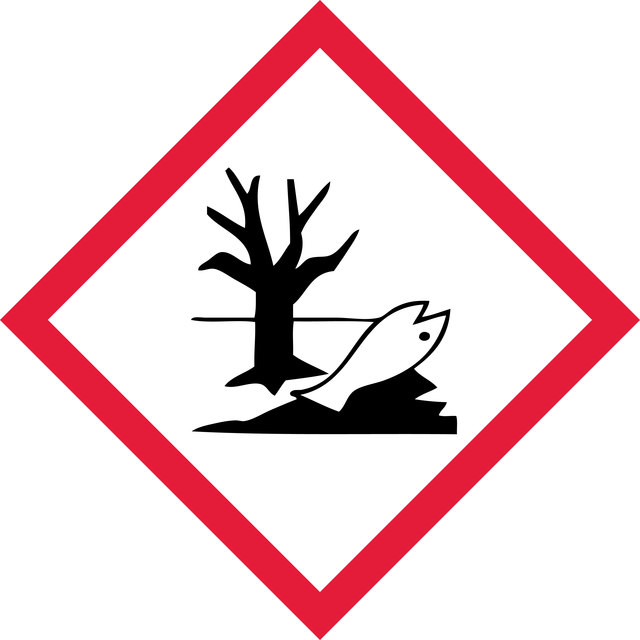
signalword
Danger
hcodes
Hazard Classifications
Aquatic Chronic 2 - Eye Dam. 1
Storage Class
11 - Combustible Solids
wgk
WGK 3
flash_point_f
Not applicable
flash_point_c
Not applicable
Choose from one of the most recent versions:
Already Own This Product?
Find documentation for the products that you have recently purchased in the Document Library.
Haiquan Wang et al.
Neuropharmacology, 86, 9-21 (2014-06-29)
Recently, increasing evidence has shown that cell cycle activation is a key factor of neuronal death and neurological dysfunction after traumatic brain injury (TBI). This study aims to investigate the effects of Honokiol, a cell cycle inhibitor, on attenuating the
Ying Ju Chen et al.
Journal of orthopaedic research : official publication of the Orthopaedic Research Society, 32(4), 573-580 (2014-01-01)
Proinflammatory cytokine interleukin-1β (IL-1β) stimulates several mediators of cartilage degradation and plays an important role in the pathogenesis of osteoarthritis (OA). Honokiol, a low molecular weight natural product isolated from the Magnolia officinalis, has been shown to possess anti-inflammatory effect.
Wei Tian et al.
Die Pharmazie, 67(10), 811-816 (2012-11-10)
Honokiol is a small-molecule pharmacologically active component which has various medicinal applications. Increasing interest is paid on its multifunctional anti-tumor effects including inducing tumor cell death, anti-angiogenesis, anti-migration and anti-multiple drug resistance. We addressed a brief summary of the anti-tumor
Global Trade Item Number
| SKU | GTIN |
|---|---|
| Y0001290 | 04061833806951 |