Sign In to View Organizational & Contract Pricing.
Select a Size
About This Item
Linear Formula:
AgNO3
CAS Number:
Molecular Weight:
169.87
UNSPSC Code:
12352302
PubChem Substance ID:
MDL number:
Assay:
≥99.8%
Grade:
JIS special grade
Form:
solid
InChI
1S/Ag.NO3/c;2-1(3)4/q+1;-1
SMILES string
[O-][N+]([O-])=O.[Ag+]
InChI key
SQGYOTSLMSWVJD-UHFFFAOYSA-N
grade
JIS special grade
vapor density
5.8 (vs air)
assay
≥99.8%
form
solid
availability
available only in Japan
mp
212 °C (dec.) (lit.)
storage temp.
15-25°C
Looking for similar products? Visit Product Comparison Guide
General description
Silver nitrate is a versatile reagent that can be prepared by reacting silver with nitric acid. It is used in various fields such as organic synthesis, photography, silver paints, dyes, chemical analysis, gravimetric analysis, and pharmaceutical preparations.
Application
Silver nitrate can be used as a catalyst in the:
It can also be used as a:
- [3+2]-Cycloaddition of Ͱ-diazocarbonyl compounds with arenediazonium salts to synthesize 2,5-disubstituted tetrazoles.
- Oxidation of aromatic, aliphatic, and conjugated aldehydes to corresponding carboxylic acids in the presence of H2O2 as an oxidant.
- Lactamization of methyl Ͱ,Ͱ-disubstituted Ͱ-isocyanoacetates with primary amines to synthesize 3,5,5-trisubstituted imidazolones.
It can also be used as a:
- Reagent to synthesize bisazetanes from the oxidation of azetidine.
signalword
Danger
Hazard Classifications
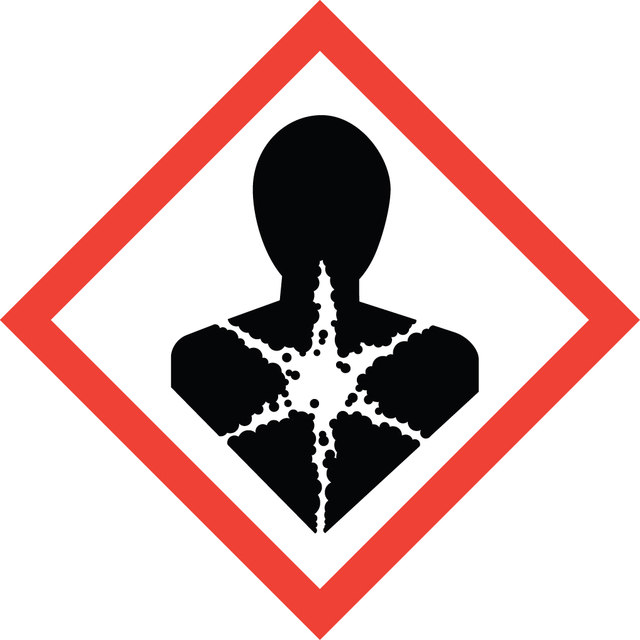
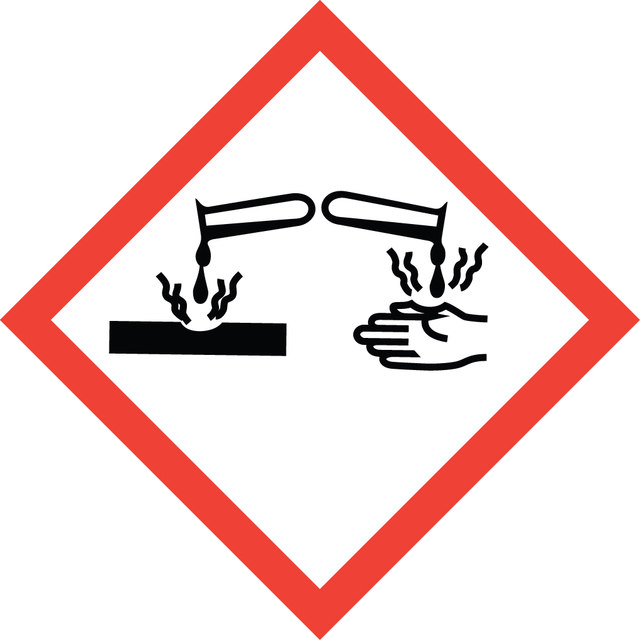
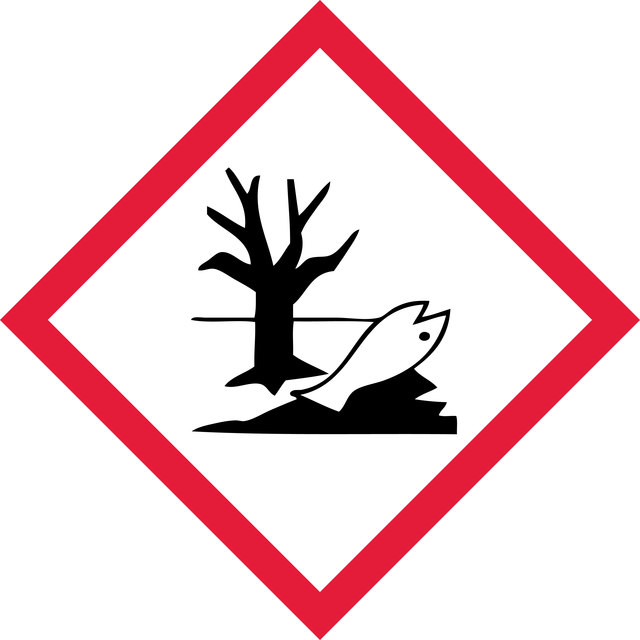
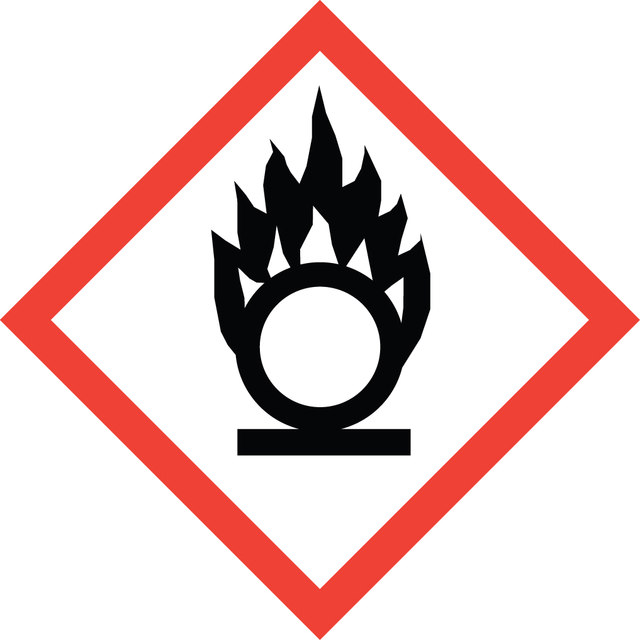
Aquatic Acute 1 - Aquatic Chronic 1 - Eye Dam. 1 - Met. Corr. 1 - Ox. Sol. 2 - Repr. 1B - Skin Corr. 1A
Storage Class
5.1B - Oxidizing hazardous materials
wgk
WGK 3
flash_point_f
Not applicable
flash_point_c
Not applicable
Regulatory Information
新产品
This item has
Choose from one of the most recent versions:
Already Own This Product?
Find documentation for the products that you have recently purchased in the Document Library.
Irina Blinova et al.
Environmental science and pollution research international, 20(5), 3456-3463 (2012-11-13)
Although silver nanoparticles (NPs) are increasingly used in various consumer products and produced in industrial scale, information on harmful effects of nanosilver to environmentally relevant organisms is still scarce. This paper studies the adverse effects of silver NPs to two
Tao Xu et al.
Organic letters, 14(21), 5416-5419 (2012-10-24)
A silver-catalyzed intramolecular oxidative aminofluorination of alkynes has been developed by using NFSI as a fluorinating reagent. This reaction represents an efficient method for the synthesis of various 4-fluoroisoquinolines and 4-fluoropyrrolo[α]isoquinolines.
Patrycja Bober et al.
Biomacromolecules, 15(10), 3655-3663 (2014-08-28)
In this work, flexible and free-standing composite films of nanofibrillated cellulose/polypyrrole (NFC/PPy) and NFC/PPy-silver nanoparticles (NFC/PPy-Ag) have been synthesized for the first time via in situ one-step chemical polymerization and applied in potential biomedical applications. Incorporation of NFC into PPy
Gownolla Malegowd Raghavendra et al.
Carbohydrate polymers, 93(2), 553-560 (2013-03-19)
Natural carbohydrates (polysaccharides): gum acacia (GA) and gaur gum (GG) were employed in dilute solutions: 0.3%, 0.5% and 0.7% (w/v), as effective reductants for the green synthesis of silver nanoparticles (AgNPs) from AgNO3. The formed AgNPs were impregnated into cellulose
Ali Hebeish et al.
Carbohydrate polymers, 92(1), 407-413 (2012-12-12)
Innovative CMC-based hydrogels with great potentials for usage in medical area were principally synthesized as per two strategies .The first involved reaction of epichlorohydrin in alkaline medium containing silver nitrate to yield silver nano-particles (AgNPs)-loaded CMC hydrogel. While CMC acted
Our team of scientists has experience in all areas of research including Life Science, Material Science, Chemical Synthesis, Chromatography, Analytical and many others.
Contact Technical Service