
8.03646

Diisopropylamine
for synthesis
Synonym(s):
Diisopropylamine, N,N-Diisopropylamine, Bis(1-methylethyl)amine
Select a Size
About This Item
SMILES string
N(C(C)C)C(C)C
InChI
1S/C6H15N/c1-5(2)7-6(3)4/h5-7H,1-4H3
InChI key
UAOMVDZJSHZZME-UHFFFAOYSA-N
grade
synthesis grade
vapor pressure
93.33 hPa ( 20 °C)
assay
≥99% (GC)
form
liquid
autoignition temp.
295 °C
potency
420 mg/kg LD50, oral (Rat), 2900 mg/kg LD50, skin (Rabbit)
expl. lim.
1.1-7.1 % (v/v)
dilution
(for synthesis)
pH
11.8 (20 °C, 6 g/L in H2O)
bp
83-84 °C/1013 hPa
mp
-70 °C
transition temp
flash point -13.45 °C (DIN 51755 Part 1)
density
0.72 g/cm3 at 20 °C
storage temp.
2-30°C
Quality Level
Looking for similar products? Visit Product Comparison Guide
General description
Application
- A reagent to synthesize furan, dihydrofuran, or butanolide derivatives by reacting with γ-ketothioesters.
- A catalyst to prepare aryl disulfides via oxidative coupling of aryl thiols in the presence of air as an oxidant.
- A base in Pd-catalyzed cross-coupling reactions such as Heck and Sonogashira reaction.
It can also be used as a starting material to prepare lithium diisopropylamide (LDA), a strong non-nucleophilic base widely used in organic synthesis for deprotonation reactions.
signalword
Danger
target_organs
Respiratory system
Storage Class
3 - Flammable liquids
flash_point_f
7.8 °F - closed cup
flash_point_c
-13.45 °C - closed cup
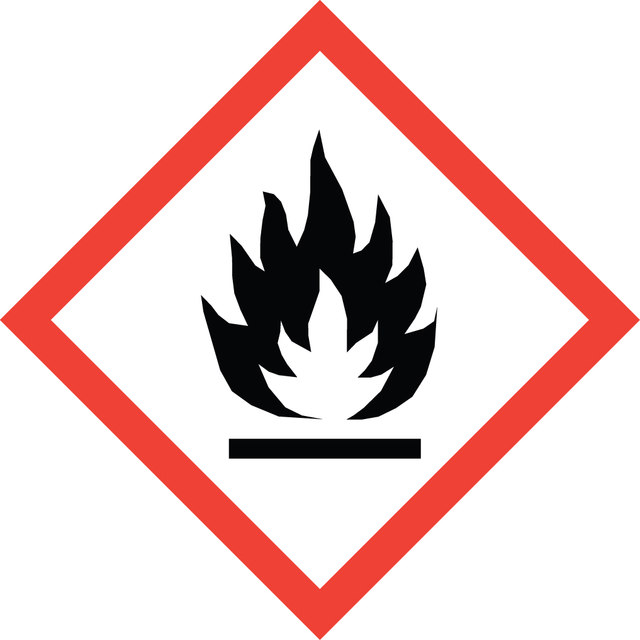
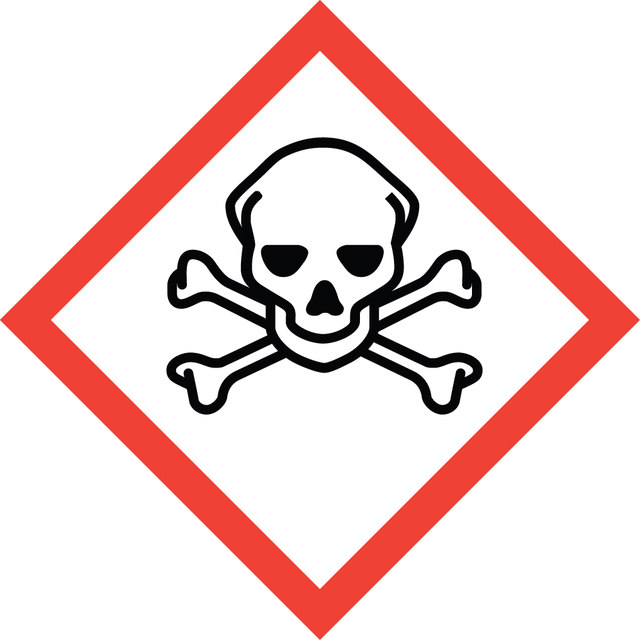

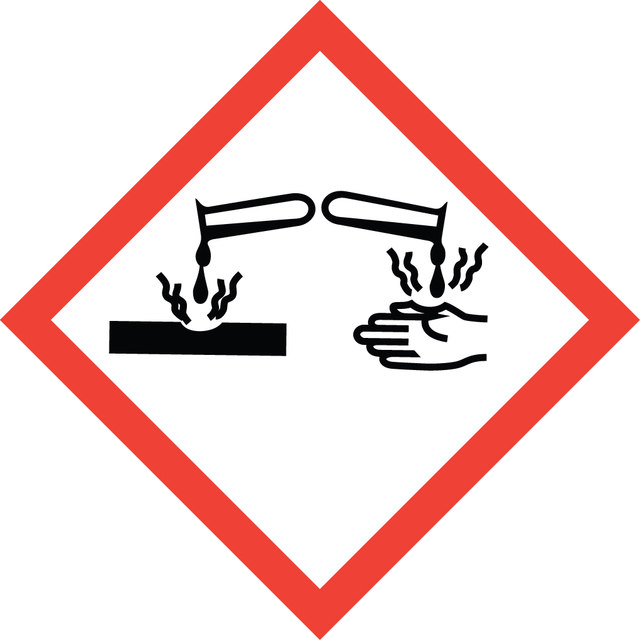
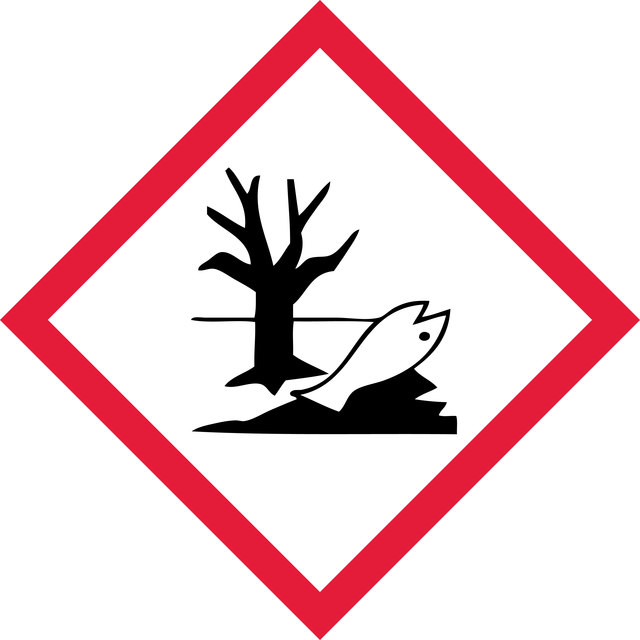
Hazard Classifications
Acute Tox. 3 Inhalation - Acute Tox. 4 Oral - Aquatic Chronic 2 - Eye Dam. 1 - Flam. Liq. 2 - PMT - Repr. 1B - Skin Corr. 1B - STOT SE 3 - vPvM
Regulatory Information
Certificates of Analysis (COA)
Search for Certificates of Analysis (COA) by entering the products Lot/Batch Number. Lot and Batch Numbers can be found on a product’s label following the words ‘Lot’ or ‘Batch’.
Already Own This Product?
Find documentation for the products that you have recently purchased in the Document Library.
Related Content
Our team of scientists has experience in all areas of research including Life Science, Material Science, Chemical Synthesis, Chromatography, Analytical and many others.
Contact Technical Service