Skip to Content
Merck
CN

V-022

Vigabatrin solution

1.0 mg/mL in methanol, ampule of 1 mL, certified reference material, Cerilliant®

Sign In to View Organizational & Contract Pricing.

Select a Size


About This Item

Empirical Formula (Hill Notation):
C6H11NO2
Molecular Weight:
129.16
NACRES:
NA.24
UNSPSC Code:
41116107
EC Number:
200-659-6
Technical Service
Need help? Our team of experienced scientists is here for you.
Let Us Assist
Technical Service
Need help? Our team of experienced scientists is here for you.
Let Us Assist

InChI key

PJDFLNIOAUIZSL-UHFFFAOYSA-N

InChI

1S/C6H11NO2/c1-2-5(7)3-4-6(8)9/h2,5H,1,3-4,7H2,(H,8,9)

SMILES string

NC(CCC(O)=O)C=C

grade

certified reference material

form

liquid

feature

Snap-N-Spike®/Snap-N-Shoot®

packaging

ampule of 1 mL

manufacturer/tradename

Cerilliant®

concentration

1.0 mg/mL in methanol

technique(s)

gas chromatography (GC): suitable, liquid chromatography (LC): suitable

application(s)

clinical testing

format

single component solution

storage temp.

−20°C

Quality Level

Gene Information

human ... ABAT(18)

General description

Vigabatrin is a newer antiepileptic sold as Sabril® in the US, Canada, Mexico and the United Kingdom and as Sabrilex in Denmark. The drug is used as an adjunctive treatment of complex partial seizures in adults and for infantile spasms in pediatric patients one month to two years of age. This certified Snap-N-Spike® Solution standard is suitable for use in LC/MS or GC/MS applications including forensic analysis, clinical toxicology, urine drug testing, or pharmaceutical research.

Legal Information

CERILLIANT is a registered trademark of Merck KGaA, Darmstadt, Germany
Sabril is a registered trademark of Lundbeck LLC
Snap-N-Shoot is a registered trademark of Cerilliant Corporation
Snap-N-Spike is a registered trademark of Merck KGaA, Darmstadt, Germany

signalword

Danger

Hazard Classifications

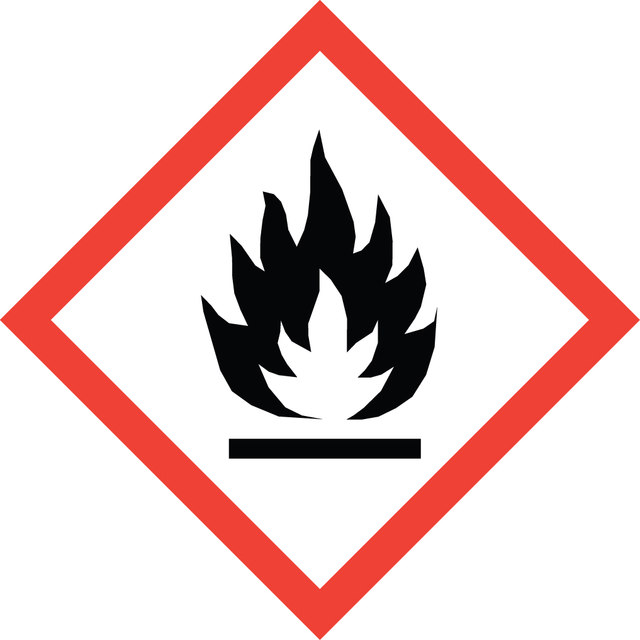
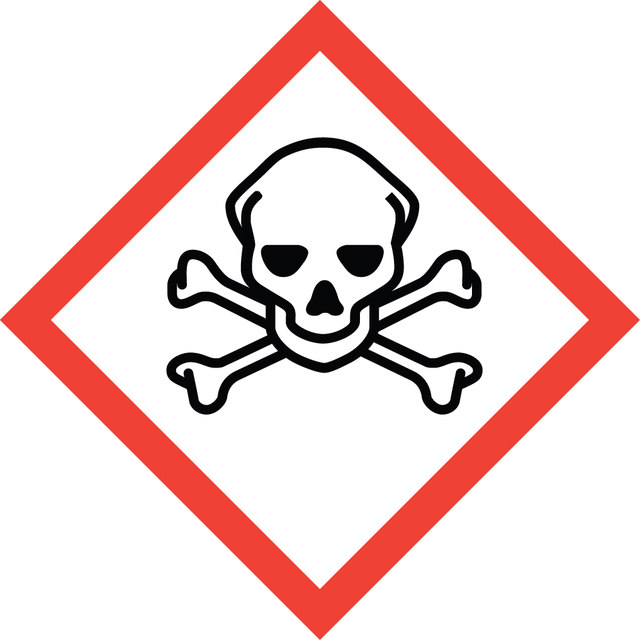
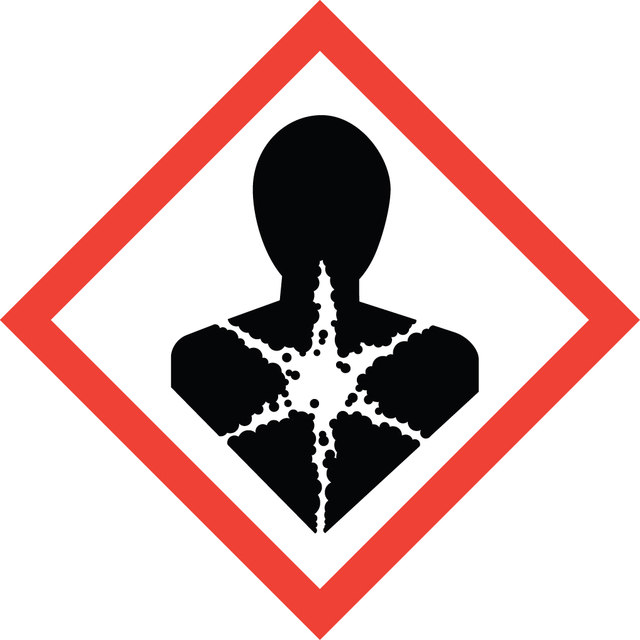
Acute Tox. 3 Dermal - Acute Tox. 3 Inhalation - Acute Tox. 3 Oral - Flam. Liq. 2 - STOT SE 1

target_organs

Eyes

Storage Class

3 - Flammable liquids

wgk

WGK 1

flash_point_f

49.5 °F - closed cup

flash_point_c

9.7 °C - closed cup

Regulatory Information

危险化学品
This item has

Certificates of Analysis (COA)

Search for Certificates of Analysis (COA) by entering the products Lot/Batch Number. Lot and Batch Numbers can be found on a product’s label following the words ‘Lot’ or ‘Batch’.

Already Own This Product?

Find documentation for the products that you have recently purchased in the Document Library.

Visit the Document Library

O Heinzlef et al.
Revue neurologique, 168 Suppl 3, S62-S68 (2012-06-29)
The medicinal treatment of spasticity includes use of oral treatments (baclofène and tizanidine), botulinum toxin, intrathecal baclofène and local application of alcohol or phenol. However, spasticity may not be uncomfortable and may even be useful. Therefore, all spastic diseases do
M Iu Dorofeeva et al.
Zhurnal nevrologii i psikhiatrii imeni S.S. Korsakova, 112(6 Pt 2), 27-31 (2012-09-18)
Tuberous sclerosis complex is a multisystem genetic disorder. Epilepsy is very common in tuberous sclerosis and occurs in 75-92% of affected individuals during their life-time. Onset usually occurs during childhood and up to one third of children with tuberous sclerosis
Martina Vendrame et al.
Pediatric neurology, 46(5), 276-280 (2012-04-24)
Retrospective review was performed of children aged <3 years with epileptic spasms at our center from 2004-2010. Short-term (<6 months) and long-term (≥6 months) outcomes were assessed. We included 173 children (104 boys; median age of onset, 6.8 months) with
Tamara L Berezina et al.
American journal of ophthalmology, 154(2), 326-332 (2012-06-19)
To evaluate the ocular safety of short-term vigabatrin treatment of cocaine abuse. Multicenter, prospective, randomized, placebo-controlled, double-masked, parallel assignment study. Cocaine addicts were randomized to receive vigabatrin 3000 mg/day, cumulative dose 218 g (n = 92), or placebo (n =
Nicolas Froger et al.
Advances in experimental medicine and biology, 775, 69-83 (2013-02-09)
Retinal ganglion cells (RGCs) are spiking neurons, which send visual information to the brain, through the optic nerve. RGC degeneration occurs in retinal diseases, either as a primary process or secondary to photoreceptor loss. Mechanisms involved in this neuronal degeneration

Our team of scientists has experience in all areas of research including Life Science, Material Science, Chemical Synthesis, Chromatography, Analytical and many others.

Contact Technical Service