Skip to Content
Merck
CN

C-904

Chlorpromazine hydrochloride solution

1.0 mg/mL in methanol (as free base), ampule of 1 mL, certified reference material, Cerilliant®

Sign In to View Organizational & Contract Pricing.

Select a Size


About This Item

Empirical Formula (Hill Notation):
C17H19ClN2S · HCl
CAS Number:
Molecular Weight:
355.33
MDL number:
UNSPSC Code:
41116107
NACRES:
NA.24
Technical Service
Need help? Our team of experienced scientists is here for you.
Let Us Assist
Technical Service
Need help? Our team of experienced scientists is here for you.
Let Us Assist

Product Name

Chlorpromazine hydrochloride solution, 1.0 mg/mL in methanol (as free base), ampule of 1 mL, certified reference material, Cerilliant®

SMILES string

Cl.CN(C)CCCN1c2ccccc2Sc3ccc(Cl)cc13

InChI

1S/C17H19ClN2S.ClH/c1-19(2)10-5-11-20-14-6-3-4-7-16(14)21-17-9-8-13(18)12-15(17)20;/h3-4,6-9,12H,5,10-11H2,1-2H3;1H

InChI key

FBSMERQALIEGJT-UHFFFAOYSA-N

grade

certified reference material

form

liquid

feature

Snap-N-Spike®/Snap-N-Shoot®

packaging

ampule of 1 mL

manufacturer/tradename

Cerilliant®

concentration

1.0 mg/mL in methanol (as free base)

technique(s)

gas chromatography (GC): suitable
liquid chromatography (LC): suitable

application(s)

clinical testing

format

single component solution

storage temp.

−20°C

Quality Level

Gene Information

General description

Chlorpromazine, sold under the trade names Thorazine or Largactil, is a typical antipsychotic used to treat schizophrenia. This Certified Spiking Solution® is suitable for use as starting material in calibrators or controls for a variety of LC/MS or GC/MS applications from forensic analysis and clinical toxicology to urine drug testing.

Legal Information

CERILLIANT is a registered trademark of Merck KGaA, Darmstadt, Germany
CERTIFIED SPIKING SOLUTION is a registered trademark of Cerilliant Corporation
Snap-N-Shoot is a registered trademark of Cerilliant Corporation
Snap-N-Spike is a registered trademark of Merck KGaA, Darmstadt, Germany

signalword

Danger

Hazard Classifications

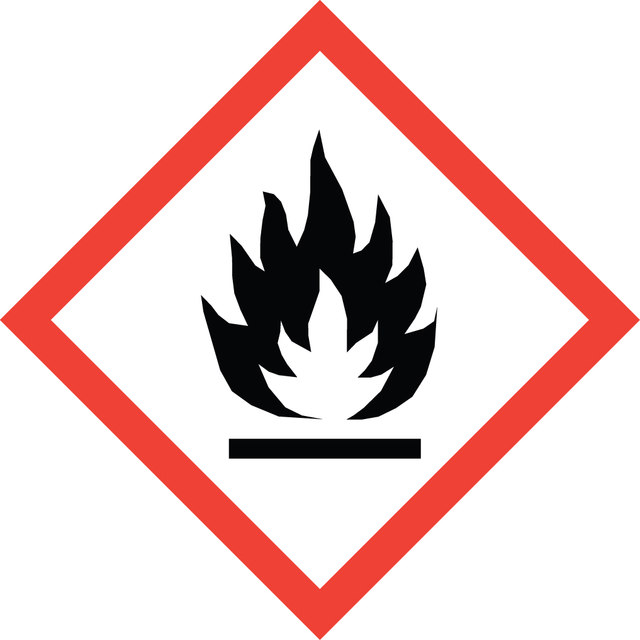
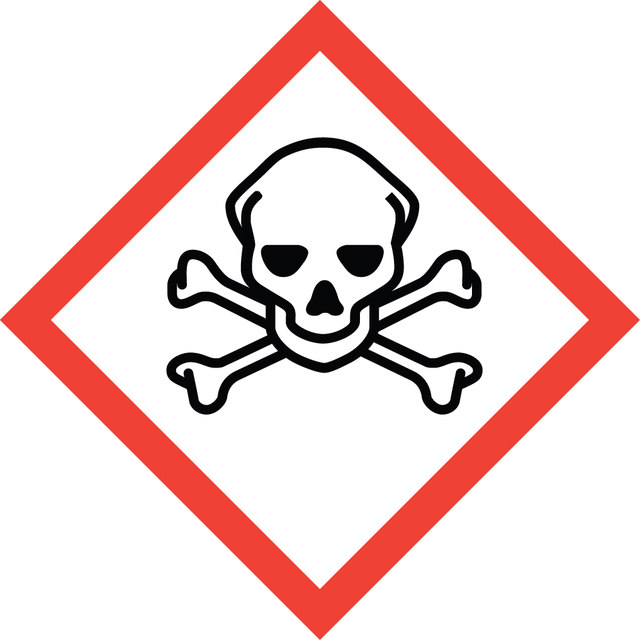
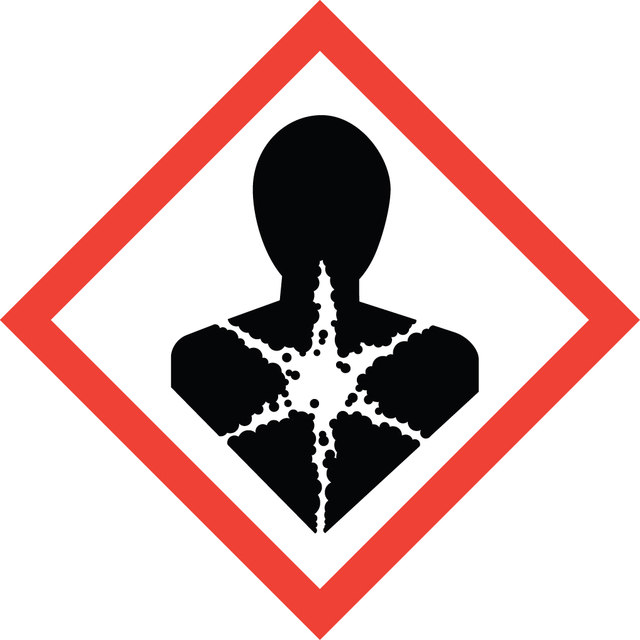
Acute Tox. 3 Dermal - Acute Tox. 3 Inhalation - Acute Tox. 3 Oral - Flam. Liq. 2 - STOT SE 1

target_organs

Eyes

Storage Class

3 - Flammable liquids

wgk

WGK 2

flash_point_f

49.5 °F - closed cup

flash_point_c

9.7 °C - closed cup

Regulatory Information

危险化学品
This item has

Certificates of Analysis (COA)

Search for Certificates of Analysis (COA) by entering the products Lot/Batch Number. Lot and Batch Numbers can be found on a product’s label following the words ‘Lot’ or ‘Batch’.

Already Own This Product?

Find documentation for the products that you have recently purchased in the Document Library.

Visit the Document Library

Cristiane Flora Villarreal et al.
Pharmacology, biochemistry, and behavior, 103(3), 678-683 (2012-11-28)
In recent years, evidence that sensitization of primary afferent nociceptors is an important event associated with chronic pain has been accumulating. The present study aimed to evaluate the participation of the prostaglandin and sympathetic components in the long-lasting sensitization of
Shruti Agarwal et al.
Biochimica et biophysica acta, 1833(5), 1065-1077 (2013-01-19)
Leishmania is auxotroph for heme. Previously, we have shown that Leishmania acquire heme from the degradation of endocytosed hemoglobin via a specific receptor located in the flagellar pocket. Here, we report the cloning and expression of clathrin heavy chain from
Stephanie L MacAllister et al.
Canadian journal of physiology and pharmacology, 91(1), 56-63 (2013-02-02)
Chlorpromazine (CPZ), a member of the largest class of first-generation antipsychotic agents, is known to cause hepatotoxicity in the form of cholestasis and hepatocellular necrosis in some patients. The mechanism of CPZ hepatotoxicity is unclear, but is thought to result
Satoru Ikezawa et al.
Schizophrenia research, 142(1-3), 71-76 (2012-10-13)
Skin conductance response (SCR) to emotion-evoking stimuli has in previous studies suggested the existence of two subgroups of schizophrenia patients. One is characterized by absent SCR and the other by heightened or non-habituating SCR. These subgroups have also been shown
Rosanne Varkevisser et al.
Pflugers Archiv : European journal of physiology, 465(2), 247-259 (2012-11-30)
Drug-induced ion channel trafficking disturbance can cause cardiac arrhythmias. We showed that the antiprotozoic pentamidine decreased K(IR)2.x carried I(K1) current and that inhibiting protein degradation in the lysosome increased intracellular K(IR)2.1 levels. In this study, we aim to identify and

Our team of scientists has experience in all areas of research including Life Science, Material Science, Chemical Synthesis, Chromatography, Analytical and many others.

Contact Technical Service