Skip to Content
Merck
CN

A-095

Atomoxetine hydrochloride solution

1.0 mg/mL in methanol (as free base), ampule of 1 mL, certified reference material, Cerilliant®

Sign In to View Organizational & Contract Pricing

Select a Size


About This Item

Empirical Formula (Hill Notation):
C17H22ClNO
CAS Number:
Molecular Weight:
291.82
EC Number:
MDL number:
UNSPSC Code:
41116107
PubChem Substance ID:
NACRES:
NA.24
Technical Service
Need help? Our team of experienced scientists is here for you.
Let Us Assist
Technical Service
Need help? Our team of experienced scientists is here for you.
Let Us Assist

grade

certified reference material

Quality Level

form

liquid

feature

SNAP-N-SPIKE®, SNAP-N-SHOOT®

packaging

ampule of 1 mL

manufacturer/tradename

Cerilliant®

concentration

1.0 mg/mL in methanol (as free base)

technique(s)

gas chromatography (GC): suitable
liquid chromatography (LC): suitable

application(s)

forensics and toxicology

format

single component solution

storage temp.

−20°C

SMILES string

Cl.CNCC[C@@H](Oc1ccccc1C)c2ccccc2

InChI

1S/C17H21NO.ClH/c1-14-8-6-7-11-16(14)19-17(12-13-18-2)15-9-4-3-5-10-15;/h3-11,17-18H,12-13H2,1-2H3;1H/t17-;/m1./s1

InChI key

LUCXVPAZUDVVBT-UNTBIKODSA-N

Gene Information

human ... SLC6A2(6530)

General description

Atomoxetine is an attention-deficit hyperactivity disorder (ADHD) drug marketed in the US under the trade name Strattera®. This Certified Spiking Solution® is suitable for use in numerous testing applications such as clinical toxicology, forensic analysis, pharmaceutical research, urine drug testing, or calibrator preparation.

Legal Information

CERILLIANT is a registered trademark of Merck KGaA, Darmstadt, Germany
CERTIFIED SPIKING SOLUTION is a registered trademark of Cerilliant Corporation
Snap-N-Shoot is a registered trademark of Cerilliant Corporation
Snap-N-Spike is a registered trademark of Merck KGaA, Darmstadt, Germany
Strattera is a registered trademark of Eli Lilly and Co.

Signal Word

Danger

Hazard Classifications

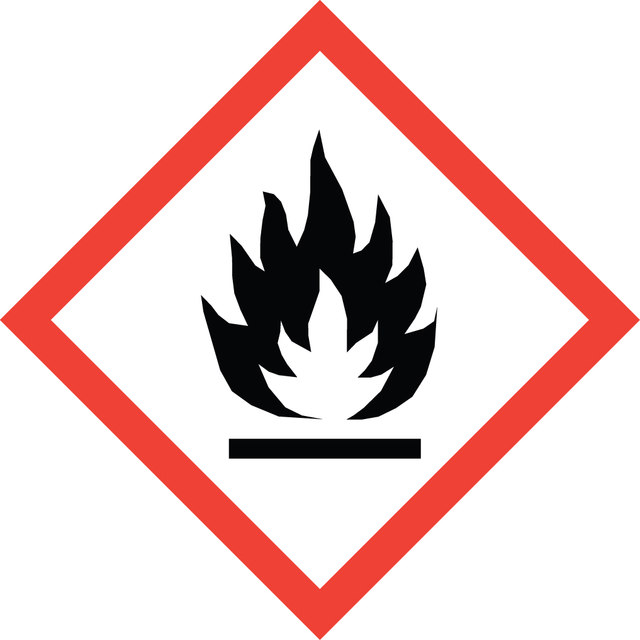
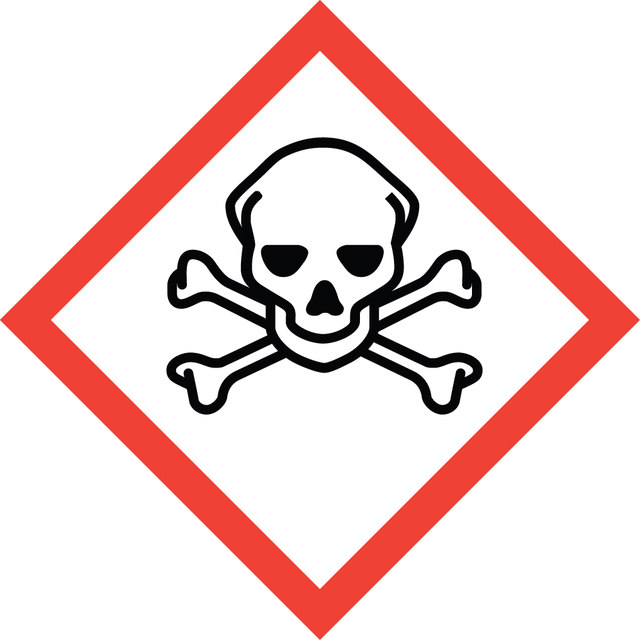
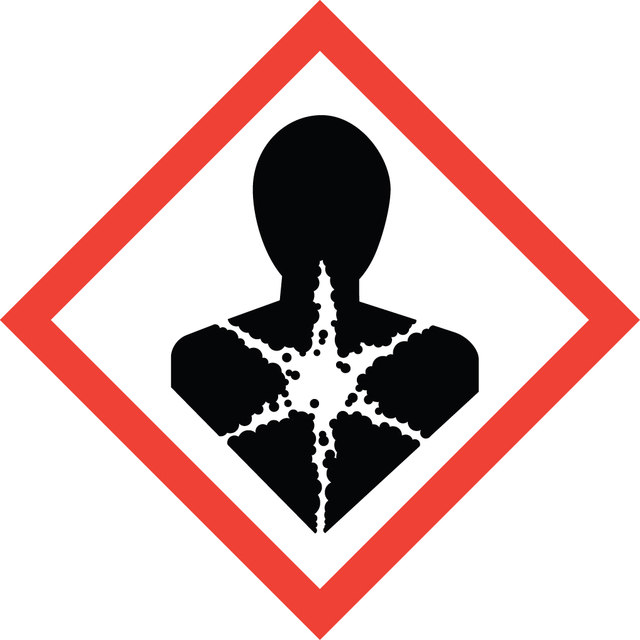
Acute Tox. 3 Dermal - Acute Tox. 3 Inhalation - Acute Tox. 3 Oral - Flam. Liq. 2 - STOT SE 1

Target Organs

Eyes

Storage Class Code

3 - Flammable liquids

WGK

WGK 1

Flash Point(F)

49.5 °F - closed cup

Flash Point(C)

9.7 °C - closed cup

Regulatory Information

危险化学品
This item has

Certificates of Analysis (COA)

Search for Certificates of Analysis (COA) by entering the products Lot/Batch Number. Lot and Batch Numbers can be found on a product’s label following the words ‘Lot’ or ‘Batch’.

Already Own This Product?

Find documentation for the products that you have recently purchased in the Document Library.

Visit the Document Library

Romano Arcieri et al.
Journal of child and adolescent psychopharmacology, 22(6), 423-431 (2013-01-31)
The purpose of this study was to assess the cardiovascular effects of drugs used for attention-deficit/hyperactivity disorder (ADHD) in children and adolescents treated in community care centers in Italy. This study was an open, prospective, observational study of youth with
Potential serious adverse interactions between linezolid and atomoxetine.
Arpit Aggarwal et al.
Journal of child and adolescent psychopharmacology, 22(5), 405-405 (2012-10-23)
M Reza Mirbolooki et al.
Synapse (New York, N.Y.), 67(2), 79-93 (2012-10-20)
Brown adipose tissue (BAT) plays a significant role in metabolism. In this study, we report the use of atomoxetine (a clinically applicable norepinephrine reuptake inhibitor) for (18)F-FDG PET imaging of BAT and its effects on heat production and blood glucose
F Livio
Revue medicale suisse, 9(368), 72-75 (2013-02-02)
Main pharmacovigilance updates in 2012 are reviewed here. Dabigatran: elderly patients with renal failure are at higher risk of bleeding. Dual renin-angiotensin-aldosterone system blockade comprising aliskiren is harmful. Incretins: low risk of acute pancreatitis. Interaction between fusidic acid and statins:
Michael Turner et al.
Behavioural brain research, 243, 28-37 (2012-12-26)
Atomoxetine (ATX) is a commonly used non-stimulant treatment for Attention deficit hyperactivity disorder (ADHD). It primarily acts to increase noradrenalin levels; however, at higher doses it can increase dopamine levels. To date there has been no investigations into the effects

Our team of scientists has experience in all areas of research including Life Science, Material Science, Chemical Synthesis, Chromatography, Analytical and many others.

Contact Technical Service