
W354007

2,6-Dimethylpyridine
≥99%
Synonym(s):
2,6-Lutidine, 2,6-Dimethylpyridine
Select a Size
About This Item
SMILES string
Cc1cccc(C)n1
InChI
1S/C7H9N/c1-6-4-3-5-7(2)8-6/h3-5H,1-2H3
InChI key
OISVCGZHLKNMSJ-UHFFFAOYSA-N
biological source
synthetic
grade
Halal, Kosher
agency
meets purity specifications of JECFA
assay
≥99%
refractive index
n20/D 1.497 (lit.)
bp
143-145 °C (lit.)
mp
−6 °C (lit.)
density
0.92 g/mL at 25 °C (lit.)
application(s)
flavors and fragrances
documentation
see Safety & Documentation for available documents
food allergen
no known allergens
organoleptic
bread; nutty
Quality Level
Looking for similar products? Visit Product Comparison Guide
Related Categories
General description
Application
- Study on the correlation between the dominant microflora and the main flavor substances in the fermentation process of cigar tobacco leaves.: Research examines the role of 2,6-Dimethylpyridine in tobacco fermentation, highlighting its impact on flavor development and microbial activity, which is crucial for optimizing product quality in the tobacco industry (Wu et al., 2023).
- The Impact of ortho-substituents on Bonding in Silver(I) and Halogen(I) Complexes of 2-Mono- and 2,6-Disubstituted Pyridines: An In-Depth Experimental and Theoretical Study.: This investigation details how modifications like 2,6-dimethylpyridine influence bonding and reactivity in metal complexes, providing insights that could influence the design of new catalytic systems or electronic materials (Kumar et al., 2024).

signalword
Warning
hcodes
Hazard Classifications
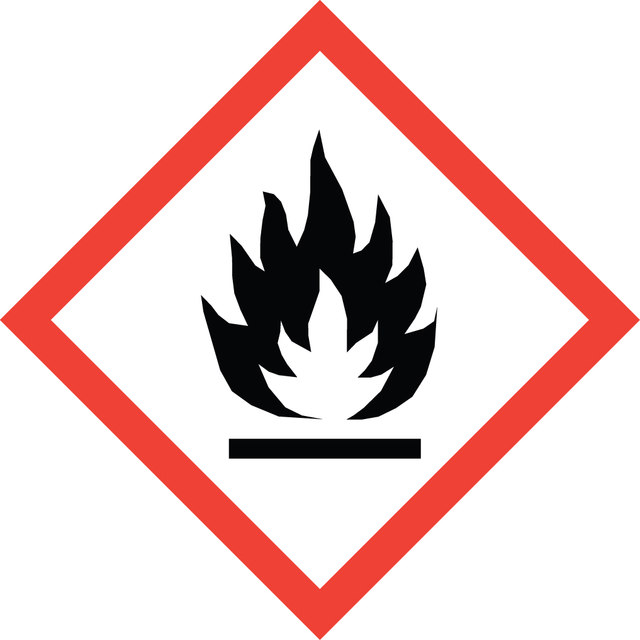
Acute Tox. 4 Oral - Eye Irrit. 2 - Flam. Liq. 3 - Skin Irrit. 2
Storage Class
3 - Flammable liquids
wgk
WGK 3
flash_point_f
89.6 °F
flash_point_c
32 °C
ppe
Eyeshields, Faceshields, Gloves, type ABEK (EN14387) respirator filter
Regulatory Information
Choose from one of the most recent versions:
Already Own This Product?
Find documentation for the products that you have recently purchased in the Document Library.
Related Content
Our team of scientists has experience in all areas of research including Life Science, Material Science, Chemical Synthesis, Chromatography, Analytical and many others.
Contact Technical Service