Skip to Content
Merck
CN

T78409

2,4,4-Trimethyl-1-pentene

99%

Synonym(s):

α-Diisobutylene, Diisobutylene

Sign In to View Organizational & Contract Pricing.

Select a Size


About This Item

Linear Formula:
(CH3)3CCH2C(CH3)=CH2
CAS Number:
Molecular Weight:
112.21
UNSPSC Code:
12352100
NACRES:
NA.22
PubChem Substance ID:
EC Number:
203-486-4
Beilstein/REAXYS Number:
1098309
MDL number:
Technical Service
Need help? Our team of experienced scientists is here for you.
Let Us Assist
Technical Service
Need help? Our team of experienced scientists is here for you.
Let Us Assist

Product Name

2,4,4-Trimethyl-1-pentene, 99%

InChI key

FXNDIJDIPNCZQJ-UHFFFAOYSA-N

InChI

1S/C8H16/c1-7(2)6-8(3,4)5/h1,6H2,2-5H3

SMILES string

CC(=C)CC(C)(C)C

vapor density

>3.8 (vs air)

vapor pressure

83 mmHg ( 37.7 °C)

assay

99%

autoignition temp.

736 °F

expl. lim.

4.8 %

refractive index

n20/D 1.408 (lit.)

bp

101-102 °C (lit.)

density

0.708 g/mL at 25 °C (lit.)

Quality Level

Looking for similar products? Visit Product Comparison Guide

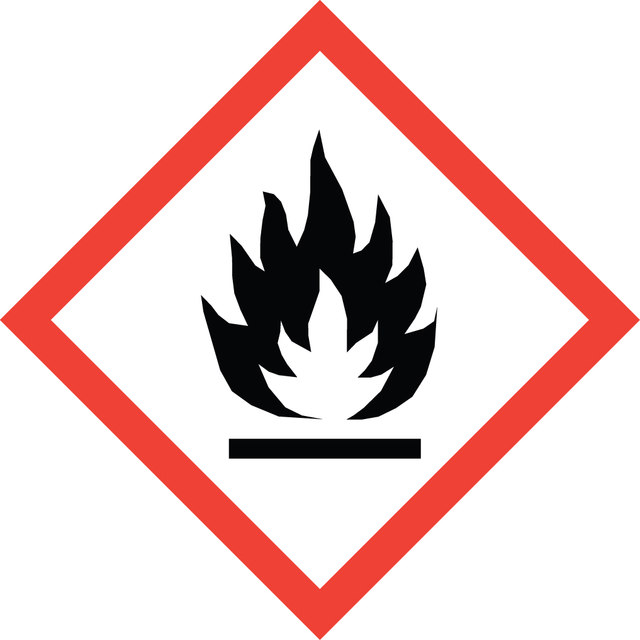
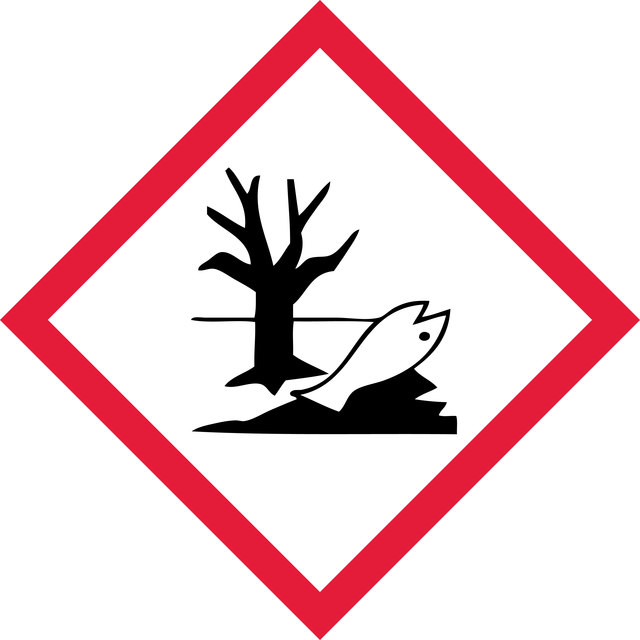
pictograms

FlameEnvironment

signalword

Danger

hcodes

Hazard Classifications

Aquatic Chronic 2 - Flam. Liq. 2

Storage Class

3 - Flammable liquids

wgk

WGK 3

flash_point_f

25.0 °F - closed cup

flash_point_c

-3.9 °C - closed cup

ppe

Eyeshields, Faceshields, Gloves, type ABEK (EN14387) respirator filter

Regulatory Information

危险化学品
This item has

Choose from one of the most recent versions:

Certificates of Analysis (COA)

Lot/Batch Number

Don't see the Right Version?

If you require a particular version, you can look up a specific certificate by the Lot or Batch number.

Already Own This Product?

Find documentation for the products that you have recently purchased in the Document Library.

Visit the Document Library

Samuel Barak et al.
Proceedings of the National Academy of Sciences of the United States of America, 117(7), 3451-3460 (2020-02-06)
Soot emissions in combustion are unwanted consequences of burning hydrocarbon fuels. The presence of soot during and following combustion processes is an indication of incomplete combustion and has several negative consequences including the emission of harmful particulates and increased operational
Diisobutylene.
American Industrial Hygiene Association journal, 43(1), B83-B84 (1982-01-01)

Our team of scientists has experience in all areas of research including Life Science, Material Science, Chemical Synthesis, Chromatography, Analytical and many others.

Contact Technical Service