Sign In to View Organizational & Contract Pricing
Select a Size
About This Item
Linear Formula:
(CH3)2C=CHCH2CH2C(CH3)=CHCH2CH2C(CH3)(OH)CH=CH2
CAS Number:
Molecular Weight:
222.37
EC Number:
MDL number:
UNSPSC Code:
12352100
PubChem Substance ID:
NACRES:
NA.22
Quality Level
Assay
98%
refractive index
n20/D 1.479 (lit.)
bp
114 °C/1 mmHg (lit.)
density
0.875 g/mL at 25 °C (lit.)
SMILES string
C\C(C)=C/CC\C(C)=C\CCC(C)(O)C=C
InChI
1S/C15H26O/c1-6-15(5,16)12-8-11-14(4)10-7-9-13(2)3/h6,9,11,16H,1,7-8,10,12H2,2-5H3/b14-11+
InChI key
FQTLCLSUCSAZDY-SDNWHVSQSA-N
Looking for similar products? Visit Product Comparison Guide
Related Categories
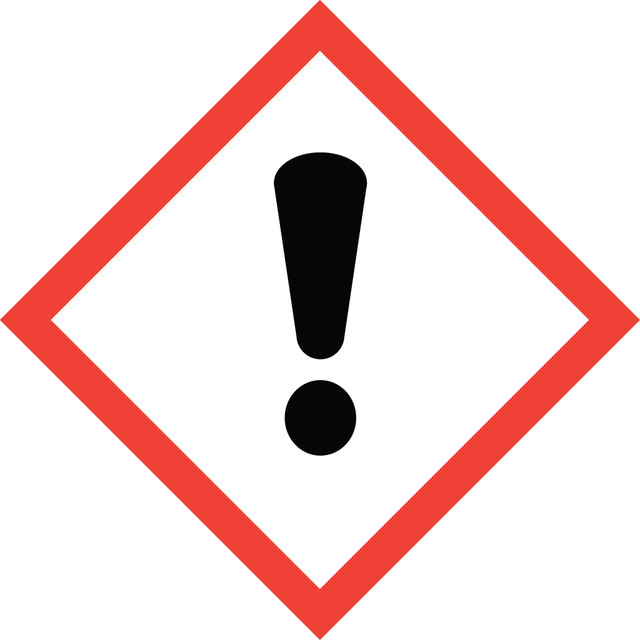
Signal Word
Warning
Hazard Statements
Precautionary Statements
Hazard Classifications
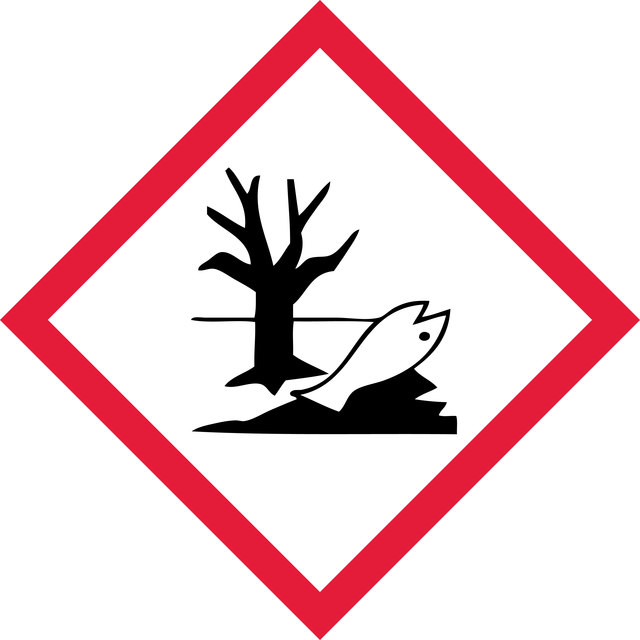
Aquatic Acute 1 - Aquatic Chronic 1 - Eye Irrit. 2 - Skin Sens. 1B
Storage Class Code
10 - Combustible liquids
WGK
WGK 2
Personal Protective Equipment
dust mask type N95 (US), Eyeshields, Gloves
Choose from one of the most recent versions:
Already Own This Product?
Find documentation for the products that you have recently purchased in the Document Library.
Camila Fonseca Bezerra et al.
Membranes, 10(9) (2020-08-23)
(1) Background: Infections by Candida species represent a serious threat to the health of immunocompromised individuals. Evidence has indicated that nerolidol has significant antifungal properties. Nonetheless, its use is restricted due to a low water solubility and high photosensitivity. The
Lais Alonso et al.
Biochimica et biophysica acta. Biomembranes, 1861(6), 1049-1056 (2019-03-21)
The sesquiterpene nerolidol is a membrane-active compound that has demonstrated antitumor, antibacterial, antifungal and antiparasitic activities. In this study, we used electron paramagnetic resonance (EPR) spectroscopy and biophysical parameters determined via cell culture assays to study the mechanisms underlying the
A Lapczynski et al.
Food and chemical toxicology : an international journal published for the British Industrial Biological Research Association, 46 Suppl 11, S247-S250 (2008-07-22)
A toxicologic and dermatologic review of nerolidol when used as a fragrance ingredient is presented.
Diane M Martin et al.
Planta, 236(3), 919-929 (2012-07-25)
In developing grapevine (Vitis vinifera L.) berries, precursor volatile organic compounds (PVOCs) are largely stored as glycosides which may be hydrolyzed to release VOCs during fruit ripening, wine making, or aging. VOCs can be further transformed by yeast metabolism. Together
Mahmoud AbouLaila et al.
Parasitology international, 59(2), 278-282 (2010-02-25)
Nerolidol is a sesquiterpene present in the essential oils of many plants, approved by the U.S. FDA as a food flavoring agent. Nerolidol interferes with the isoprenoid biosynthetic pathway in the apicoplast of P. falciparum. In the present study, the
Our team of scientists has experience in all areas of research including Life Science, Material Science, Chemical Synthesis, Chromatography, Analytical and many others.
Contact Technical Service