
C1930

2-Chloro-6-(trichloromethyl)pyridine
≥98%
Synonym(s):
Nitrapyrin, 2-Chloro-6-(trichloromethyl)pyridine, CP
Select a Size
About This Item
InChI key
DCUJJWWUNKIJPH-UHFFFAOYSA-N
InChI
1S/C6H3Cl4N/c7-5-3-1-2-4(11-5)6(8,9)10/h1-3H
SMILES string
Clc1cccc(n1)C(Cl)(Cl)Cl
agency
suitable for SM 5210
assay
≥98%
form
powder
solubility
ethanol: 10 mg/mL, clear, colorless to faintly yellow
Quality Level
Looking for similar products? Visit Product Comparison Guide
Related Categories
General description
Application
- Biological and chemical nitrification inhibitors exhibited different effects on soil gross N nitrification rate and N(2)O production: a (15)N microcosm study.: This study examines the effects of biological and chemical nitrification inhibitors, including 2-Chloro-6-(trichloromethyl)pyridine, on soil nitrogen processes. The findings highlight the differential impacts on soil nitrogen dynamics and greenhouse gas emissions (Lan et al., 2023).
- Nitrous oxide emissions from manured soils as a function of various nitrification inhibitor rates and soil moisture contents.: This paper explores the relationship between nitrification inhibitor application rates, including 2-Chloro-6-(trichloromethyl)pyridine, and soil moisture on nitrous oxide emissions, providing insights into optimizing inhibitor use for environmental benefits (Lin and Hernandez-Ramirez, 2020).
- Nitrate losses in subsurface drainage from a corn-soybean rotation as affected by fall and spring application of nitrogen and nitrapyrin.: Investigating the seasonal application of nitrapyrin, a derivative of 2-Chloro-6-(trichloromethyl)pyridine, this study assesses its efficacy in reducing nitrate leaching and improving nitrogen use efficiency in agricultural systems (Randall and Vetsch, 2005).
- Oxidation of Nitrapyrin to 6-Chloropicolinic Acid by the Ammonia-Oxidizing Bacterium Nitrosomonas europaea.: This foundational research elucidates the microbial degradation pathway of nitrapyrin, contributing to our understanding of its environmental fate and persistence (Vannelli and Hooper, 1992).

signalword
Danger
hcodes
Hazard Classifications
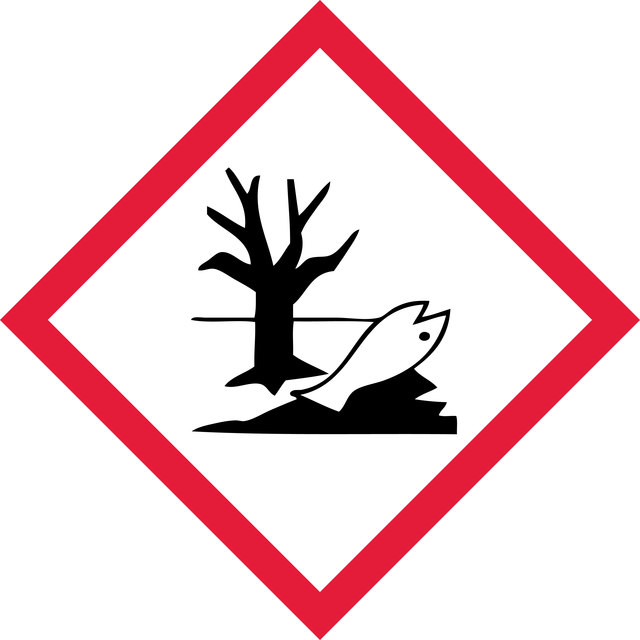
Acute Tox. 3 Dermal - Acute Tox. 4 Oral - Aquatic Chronic 2
Storage Class
6.1C - Combustible acute toxic Cat.3 / toxic compounds or compounds which causing chronic effects
wgk
WGK 2
flash_point_f
212.0 °F - closed cup
flash_point_c
100 °C - closed cup
ppe
dust mask type N95 (US), Eyeshields, Faceshields, Gloves
Regulatory Information
Choose from one of the most recent versions:
Already Own This Product?
Find documentation for the products that you have recently purchased in the Document Library.
Related Content
This page is intended to make it easier to find the consumables you need based on the analytical method you’re using. Methods included on this page come from the EPA, Standard Methods and ASTM.
Our team of scientists has experience in all areas of research including Life Science, Material Science, Chemical Synthesis, Chromatography, Analytical and many others.
Contact Technical Service