
A90004

Anthraquinone
97%
Synonym(s):
1,4,11,12-Tetrahydro-9,10-anthraquinone, 9,10-Anthraquinone, Anthracene-9,10-quinone, Anthradione
Select a Size
About This Item
InChI key
RZVHIXYEVGDQDX-UHFFFAOYSA-N
InChI
1S/C14H8O2/c15-13-9-5-1-2-6-10(9)14(16)12-8-4-3-7-11(12)13/h1-8H
SMILES string
O=C1c2ccccc2C(=O)c3ccccc13
vapor density
7.16 (vs air)
vapor pressure
1 mmHg ( 190 °C)
assay
97%
form
powder
bp
379-381 °C (lit.)
mp
284-286 °C (lit.)
Quality Level
Looking for similar products? Visit Product Comparison Guide
Related Categories
Application
- In the synthesis of water-soluble anthraquinone derivatives such as 9,10-anthraquinone-2,6-disulfonic acid, disodium salt (AQ-2,6) and 9,10-anthraquinone-2-sulfonic acid, monosodium salt (AQ-2). These AQ derivatives are useful as redox catalysts for aeration in Becher process.
- As an indicator to determine the acid strength of poly(4-vinylpyridinium) hydrogen sulfate (P(4-VPH)HSO4) catalyst.
- As a pulping catalyst.
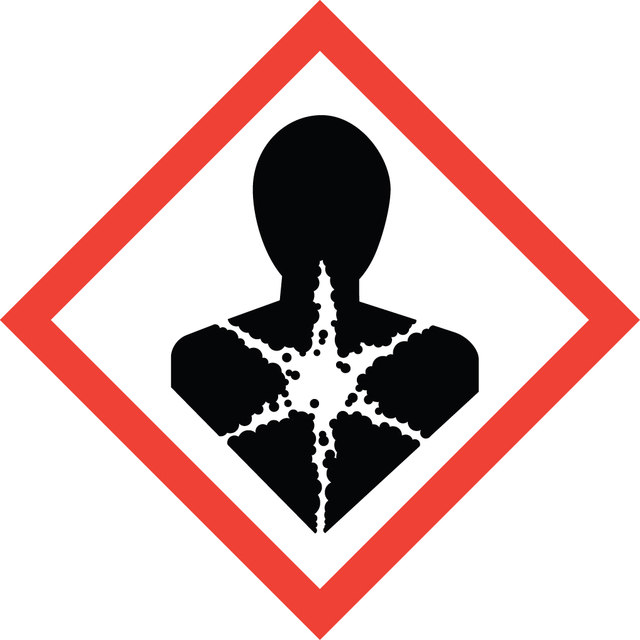

signalword
Danger
hcodes
Hazard Classifications
Carc. 1B - Skin Sens. 1
Storage Class
6.1C - Combustible acute toxic Cat.3 / toxic compounds or compounds which causing chronic effects
wgk
WGK 1
flash_point_f
482.0 °F - closed cup
flash_point_c
250 °C - closed cup
ppe
dust mask type N95 (US), Eyeshields, Faceshields, Gloves
Choose from one of the most recent versions:
Already Own This Product?
Find documentation for the products that you have recently purchased in the Document Library.
Our team of scientists has experience in all areas of research including Life Science, Material Science, Chemical Synthesis, Chromatography, Analytical and many others.
Contact Technical Service