
86631

Tetraethylammonium hydroxide solution
~25% in methanol (~1.5 M)
Synonym(s):
TEA hydroxide
Sign In to View Organizational & Contract Pricing.
Select a Size
Change View
About This Item
Linear Formula:
(C2H5)4N(OH)
CAS Number:
Molecular Weight:
147.26
UNSPSC Code:
12352100
NACRES:
NA.22
PubChem Substance ID:
MDL number:
Beilstein/REAXYS Number:
3912961
Concentration:
~25% in methanol (~1.5 M)
Form:
liquid
form
liquid
Quality Level
reaction suitability
core: ammonium
concentration
~25% in methanol (~1.5 M)
anion traces
sulfate (SO42-): ≤1000 mg/kg
functional group
amine
SMILES string
[OH-].CC[N+](CC)(CC)CC
InChI
1S/C8H20N.H2O/c1-5-9(6-2,7-3)8-4;/h5-8H2,1-4H3;1H2/q+1;/p-1
InChI key
LRGJRHZIDJQFCL-UHFFFAOYSA-M
General description
Tetraethylammonium hydroxide (TEAOH) is a quaternary ammonium salt that is commonly used as a strong base and phase-transfer catalyst in organic synthesis.
Application
Tetraethylammonium hydroxide (25% in methanol) can be used as a base in the synthesis of 2-hydroxyacetophenoxime from 2-hydroxysalicylaldoxime and hydroxylamine hydrochloride. It is also used as an organic structure-directing agent in the synthesis of zeolites such as Beta, ZSM-20, and SAPO-34.
Still not finding the right product?
Explore all of our products under Tetraethylammonium hydroxide solution
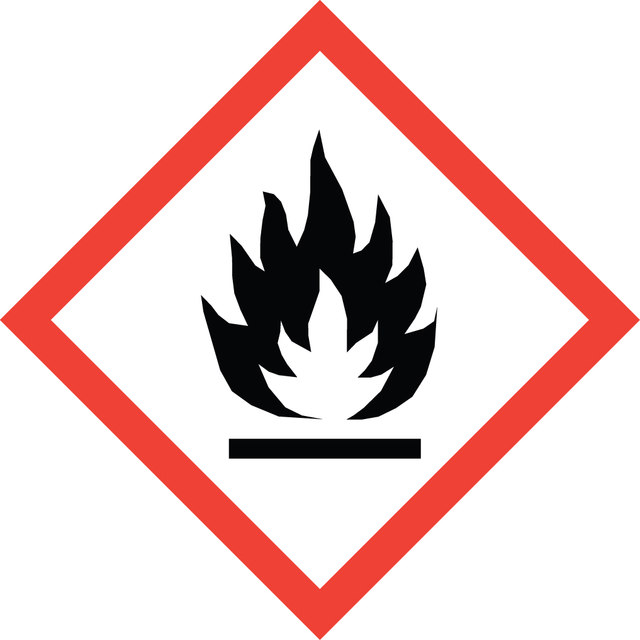
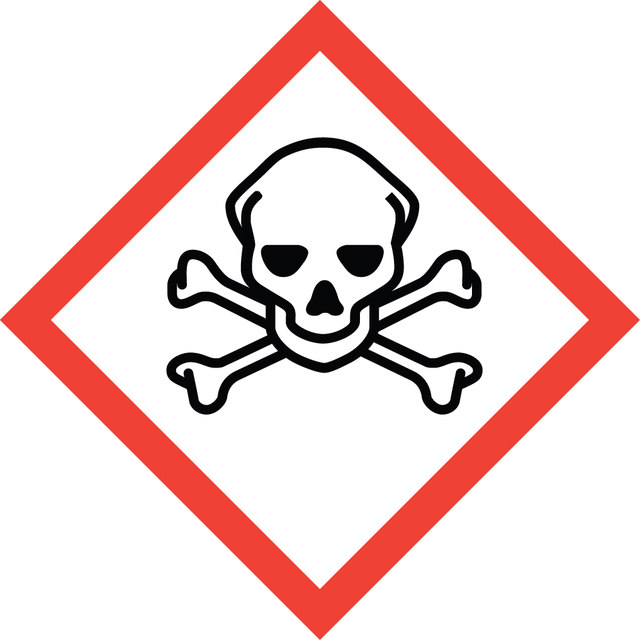
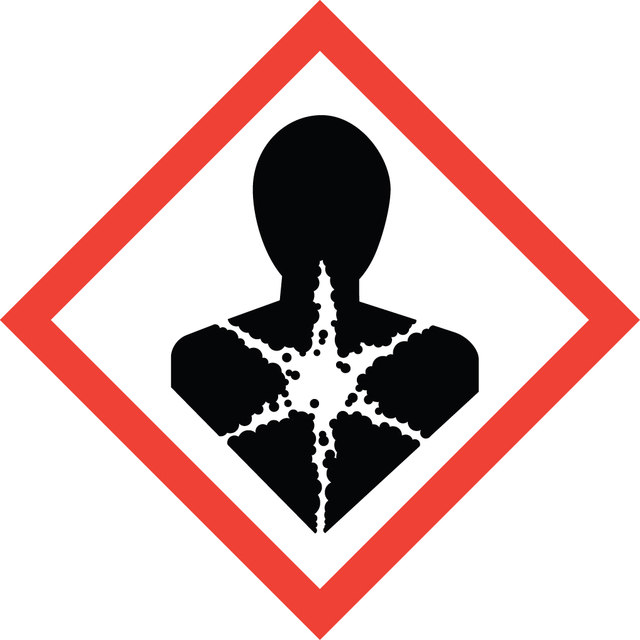
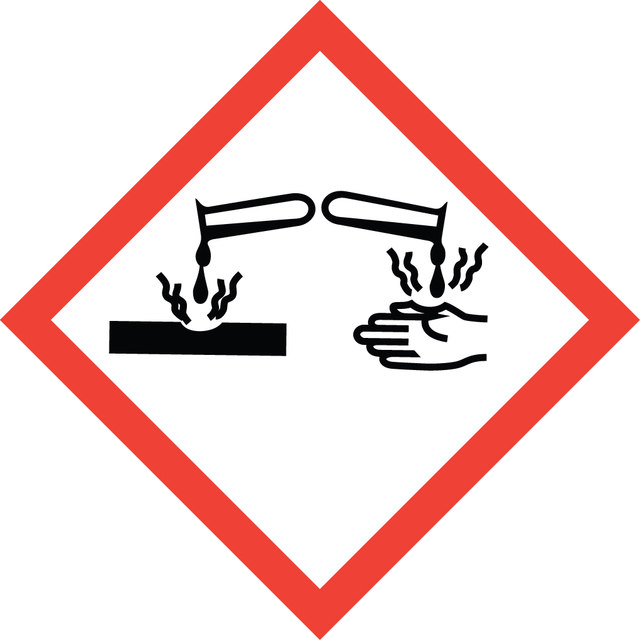
signalword
Danger
Storage Class
3 - Flammable liquids
flash_point_f
49.5 °F
flash_point_c
9.7 °C
ppe
Faceshields, Gloves, Goggles, type ABEK (EN14387) respirator filter
Hazard Classifications
Acute Tox. 3 Dermal - Acute Tox. 3 Inhalation - Acute Tox. 3 Oral - Eye Dam. 1 - Flam. Liq. 2 - Met. Corr. 1 - Skin Corr. 1B - STOT RE 1 Dermal - STOT SE 1
target_organs
Eyes,Central nervous system, thymus,Liver
Regulatory Information
危险化学品
This item has
Choose from one of the most recent versions:
Already Own This Product?
Find documentation for the products that you have recently purchased in the Document Library.
Min Shen et al.
Vascular pharmacology, 58(1-2), 64-70 (2012-07-24)
Evidence has indicated that resveratrol (Res) produces vasorelaxation and may decrease the coronary heart disease mortality. However, several pathways involved in the mechanism of vasorelaxation are still unclear. This study was designed, therefore, to test the probable ion channels or
Nanomechanics of cation-π interactions in aqueous solution.
Qingye Lu et al.
Angewandte Chemie (International ed. in English), 52(14), 3944-3948 (2013-03-02)
Lei Yang et al.
The Journal of general physiology, 140(5), 529-540 (2012-10-31)
We investigated the effects of changing extracellular K(+) concentrations on block of the weak inward-rectifier K(+) channel Kir1.1b (ROMK2) by the three intracellular cations Mg(2+), Na(+), and TEA(+). Single-channel currents were monitored in inside-out patches made from Xenopus laevis oocytes
Global Trade Item Number
| SKU | GTIN |
|---|---|
| 86631-100ML | 04061833041659 |
| 86631-500ML | 04061837675812 |