
642452

Molybdenum(V) chloride
powder, 99.99% trace metals basis (excluding W)
Synonym(s):
Molybdenum pentachloride, Molybdenum(5+) chloride
Select a Size
About This Item
InChI key
GICWIDZXWJGTCI-UHFFFAOYSA-I
InChI
1S/5ClH.Mo/h5*1H;/q;;;;;+5/p-5
SMILES string
Cl[Mo](Cl)(Cl)(Cl)Cl
grade
anhydrous
vapor pressure
1.75 mmHg ( 25 °C), 131 mmHg ( 250 °C)
assay
99.99% trace metals basis (excluding W)
form
powder
reaction suitability
core: molybdenum
impurities
≤150.0 ppm Trace Metal Analysis
bp
268 °C (lit.)
mp
194 °C (lit.)
density
2.928 g/mL at 25 °C (lit.)
application(s)
electroplating
material synthesis precursor
Quality Level
Looking for similar products? Visit Product Comparison Guide
Related Categories
General description
Application
- As a catalyst for amidation of secondary benzyl alcohols.
- As a precursor to fabricate MoS2 thin films by atomic layer deposition method.
- As a primary catalyst for coordination polymerization of butadiene.
- To fabricate superior anode materials for Na-ion and Li-ion batteries.
- As a dual-function redox mediator for Li–O2 batteries to overcome thehigh polarization and low energy density issues.
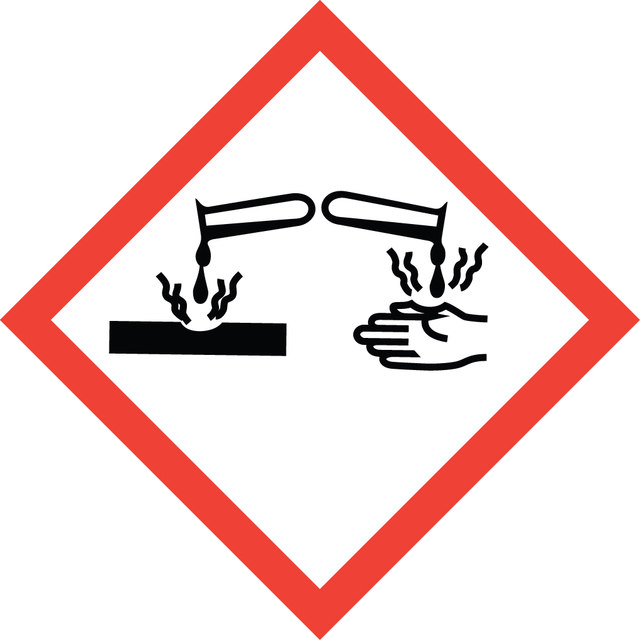
signalword
Danger
hcodes
Hazard Classifications
Skin Corr. 1B
Storage Class
8A - Combustible corrosive hazardous materials
wgk
WGK 3
flash_point_f
Not applicable
flash_point_c
Not applicable
ppe
Eyeshields, Faceshields, Gloves, type P3 (EN 143) respirator cartridges
Regulatory Information
Choose from one of the most recent versions:
Already Own This Product?
Find documentation for the products that you have recently purchased in the Document Library.
Articles
The diversity of applications and nanostructured materials accessible using ultrasonic spray methods are highlighted in this article.
Micro review of reversible addition/fragmentation chain transfer (RAFT) polymerization.
Ultrasonic spray pyrolysis produces scalable nanomaterials like metal oxides and quantum dots for diverse applications.
Discover the ways in which high-purity metal salts improve the selectivity, yields, and catalytic efficacy of organic synthesis reactions.
Protocols
We present an article about RAFT, or Reversible Addition/Fragmentation Chain Transfer, which is a form of living radical polymerization.
Polymerization via ATRP procedures demonstrated by Prof. Dave Haddleton's research group at the University of Warwick.
We presents an article featuring procedures that describe polymerization of methyl methacrylate and vinyl acetate homopolymers and a block copolymer as performed by researchers at CSIRO.
Our team of scientists has experience in all areas of research including Life Science, Material Science, Chemical Synthesis, Chromatography, Analytical and many others.
Contact Technical Service