
578002

Zinc
nanopowder, 40-60 nm avg. part. size, ≥99% trace metals basis
Select a Size
About This Item
InChI
1S/Zn
InChI key
HCHKCACWOHOZIP-UHFFFAOYSA-N
SMILES string
[Zn]
vapor pressure
1 mmHg ( 487 °C)
assay
≥99% trace metals basis
form
nanopowder
resistivity
5.8 μΩ-cm, 20°C
surface area
12 m2/g
impurities
≤10%
avg. part. size
40-60 nm
bp
907 °C (lit.)
mp
420 °C (lit.)
density
7.133 g/mL at 25 °C (lit.)
Quality Level
Related Categories
General description
Application
signalword
Warning
hcodes
pcodes
Hazard Classifications
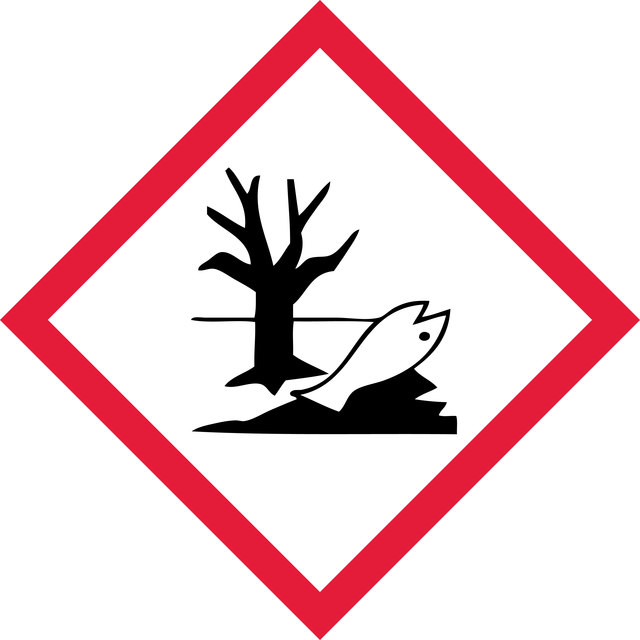
Aquatic Acute 1 - Aquatic Chronic 1
Storage Class
4.2 - Pyrophoric and self-heating hazardous materials
wgk
WGK 2
flash_point_f
Not applicable
flash_point_c
Not applicable
ppe
Eyeshields, Gloves, type N95 (US)
Regulatory Information
Choose from one of the most recent versions:
Already Own This Product?
Find documentation for the products that you have recently purchased in the Document Library.
Articles
Controlled synthesis of metal clusters regulates ligands and atoms, advancing metal nanomaterial synthesis.
Catalytic water splitting produces hydrogen crucial for renewable energy, petroleum refining, and chemical industry applications like methanol production.
TiO2 exhibits wide band gap semiconductor and memristor properties electronically, with high opacity and UV absorbance optically.
Among various ceramics, one-dimensional (1-D) piezoelectric ceramics have attracted significant scientific attention for use in energy harvesting.
Related Content
This thematic issue focuses on the emerging applications of nanomaterials. Nanomaterials are defined as substances with at least one dimension smaller than 100 nm.
Our team of scientists has experience in all areas of research including Life Science, Material Science, Chemical Synthesis, Chromatography, Analytical and many others.
Contact Technical Service